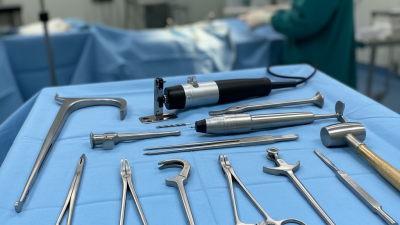
2026 Best Operation Instrument for Global Buyers Guide?
As the world of operation instruments evolves, global buyers must stay informed. Industry expert Dr. Emily Tran emphasizes, “Choosing the right operation instrument is key to efficiency and precision.” This insight underscores the importance of selecting the best tools in a competitive market.
In 2026, ensuring your operation instruments meet both performance and safety standards is crucial. With diverse options available, finding reliable instruments can feel overwhelming. The rapid advancements in technology are reshaping this landscape. Buyers often face challenges in navigating these changes. Equipment that once seemed reliable may require reevaluation.
The right tools can enhance productivity immensely. However, this often comes with pressure and uncertainty. Buyers must balance innovation with practicality. Investing in quality means assessing suppliers carefully. Awareness of current trends in operation instruments will lead to better decisions. By focusing on quality, buyers can improve outcomes and reduce long-term costs.

Overview of Operation Instruments in Global Markets
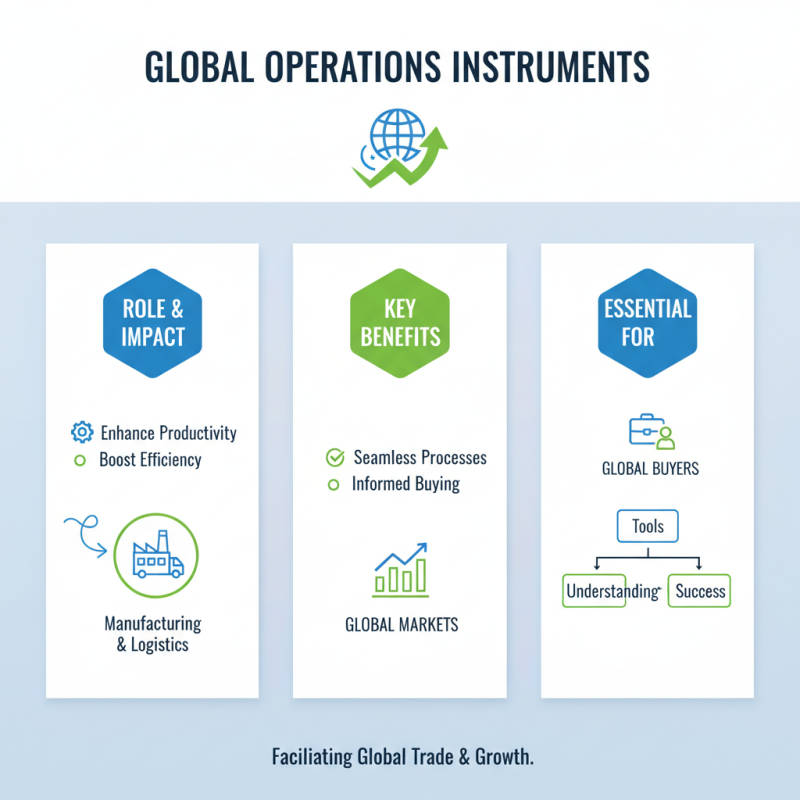
Operation instruments play a vital role in global markets. They enhance productivity and efficiency in various sectors. Understanding these tools is essential for global buyers. They facilitate seamless processes in manufacturing, logistics, and beyond.
In recent years, the diversity of operation instruments has grown significantly. Many new innovations have emerged, targeting specific needs. Buyers can choose from various functionalities and features. This expansion provides more options but can lead to confusion. Evaluating which instruments best fit specific operational requirements is crucial.
Challenges exist when selecting operation instruments. Not every tool fits every situation. Regional standards and regulations can complicate decisions. Buyers must be aware of these elements to avoid potential issues. Researching reviews and case studies can provide insights into effective choices. Ultimately, knowledge and adaptation are key to navigating the global market landscape successfully.
Key Features to Consider When Selecting Operation Instruments
When selecting operation instruments, several key features come into play.
First, accuracy and precision are vital.
According to a report by the National Institute of Standards and Technology, even slight deviations can cost companies significantly, both financially and in reputation. Therefore, buyers should prioritize instruments that boast high accuracy ratings.
Another important consideration is ease of use. Instruments that require extensive training may lead to operational delays. The 2023 Industry Trends Report indicates that user-friendly instruments can improve workplace efficiency by up to 30%. A user-friendly interface minimizes errors and accelerates training times, making it a key feature to look for in operation instruments.
Durability is equally essential. Instruments in demanding environments must withstand wear and tear. A study by the American Society for Testing and Materials indicates that materials used can significantly influence the lifespan of these tools. Instruments made of high-quality materials outperform those made from lower-grade options. Assessing these key features can lead to sound purchasing decisions in the evolving landscape of operational instruments.
Top Brands and Manufacturers of Operation Instruments for 2026
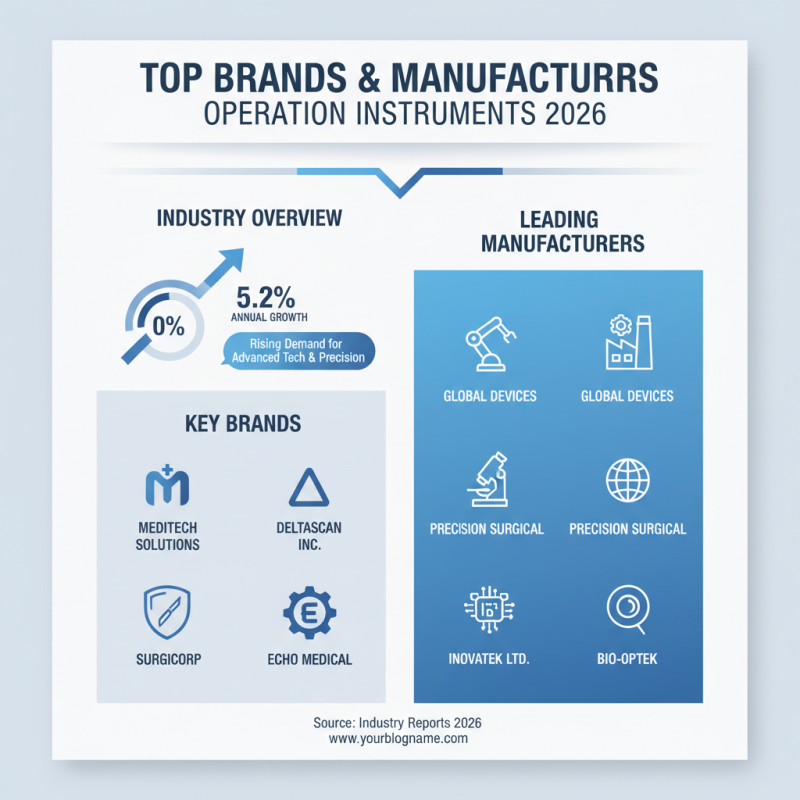
The operational instrument industry is evolving rapidly. For 2026, global buyers must understand the key brands and manufacturers. Various reports highlight a growth rate of around 5.2% annually in this sector. This increase reflects the rising demand for advanced technologies and precision in operational tasks.
Top manufacturers focus on innovation. They offer a range of instruments designed for efficiency and accuracy. Advanced features enhance user experience while ensuring reliability. For instance, the integration of IoT in operational instruments allows real-time data capture and analysis. However, not all brands keep pace with this trend, which could lead to subpar options available in the market.
Tips: Always compare specifications. Look for feedback from current users. Ensure you choose instruments that align with your specific needs. Exploring multiple brands helps avoid potential pitfalls. In 2026, staying informed will help buyers make better decisions. Understanding trends and innovations will be crucial for effective operations.
Comparison of Pricing and Performance Across Different Models
When evaluating operation instruments for global buyers, performance and pricing vary significantly among models. According to a recent industry report, leading instruments can range from $100 to over $2,000. This wide price gap stems from differing features, build quality, and intended use cases. For instance, entry-level models may offer basic functionality, while high-end options come equipped with advanced technology and better durability.
Performance metrics also play a crucial role in this assessment. In comparative analyses, high-performance instruments have shown up to 30% faster processing times than their budget counterparts. However, these models often require more maintenance and may have higher operational costs. Reliability remains a concern; 15% of mid-range models reported failures within the first year. Users should carefully consider whether the investment aligns with their specific needs and operational context.
Ultimately, buyers face a balancing act between cost and performance. The challenge lies in selecting an instrument that not only meets immediate requirements but also proves reliable over time. Continuous research and feedback from existing users can help illuminate these critical factors, guiding a more informed purchasing decision.
2026 Best Operation Instrument for Global Buyers Guide
| Model |
Price ($) |
Performance Rating (out of 5) |
Features |
User Feedback |
| Model A |
1500 |
4.5 |
High precision, portable, user-friendly |
Great build quality, highly recommend |
| Model B |
2000 |
4.0 |
Robust design, multiple functions |
Reliable, but slightly bulky |
| Model C |
1750 |
4.3 |
Digital display, energy-efficient |
Excellent performance, minor calibration issues |
| Model D |
1200 |
4.7 |
Compact, easy to use, lightweight |
Highly portable, suitable for traveling |
| Model E |
2250 |
4.2 |
High durability, smart technology |
Very high functionality, premium price |
Future Trends in Operation Instruments and Their Impact on Buyers
As we look towards 2026, the landscape of operation instruments is evolving rapidly. Emerging technologies are reshaping how businesses approach efficiency. Automation and data analytics are becoming integral. Buyers need to consider how these tools can enhance their operations.
The impact of these trends cannot be overlooked. Real-time data collection improves decision-making. However, integrating new technologies often presents challenges. Many businesses struggle to adapt their existing workflows. Employees may feel overwhelmed by the shift towards more complex systems.
Moreover, sustainability is a growing concern. Buyers are increasingly interested in eco-friendly options. The market reflects this shift, but not all products meet true sustainability standards. It is essential for buyers to conduct thorough research. Understanding the balance between innovation and practicality is key.
2026 Best Operation Instruments Trends