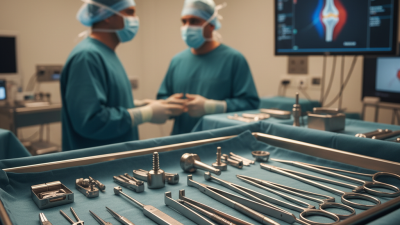
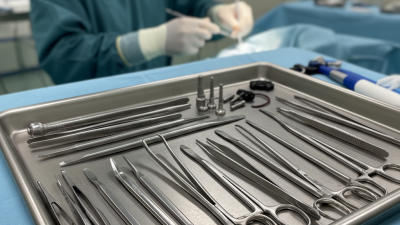
2026 Essential Guide to Surgical Instruments Names and Uses?

In the world of surgery, the names and purposes of instruments are crucial for effective procedures. Dr. Sarah Thompson, a leading expert in surgical instrumentation, emphasizes, “Understanding surgical instruments names is fundamental for any aspiring surgeon.” Knowledge of these instruments can significantly impact surgery outcomes.

Surgical instruments are not mere tools; they are extensions of a surgeon’s skill. Each instrument has a specific name and function, which can be daunting for new professionals. The variety is vast, from scalpels to hemostats, and every name serves a purpose. This depth can feel overwhelming when first encountered. Yet, mastering these names is an essential skill that cannot be overlooked.

Recognizing instruments by their names benefits not only surgeons but also the entire surgical team. Proper identification leads to efficiency and safety in the operating room. Despite the steep learning curve, the journey toward familiarity offers valuable rewards. Mistakes can happen, but each error poses an opportunity for growth. Embracing this challenge is a path every surgical professional must take.
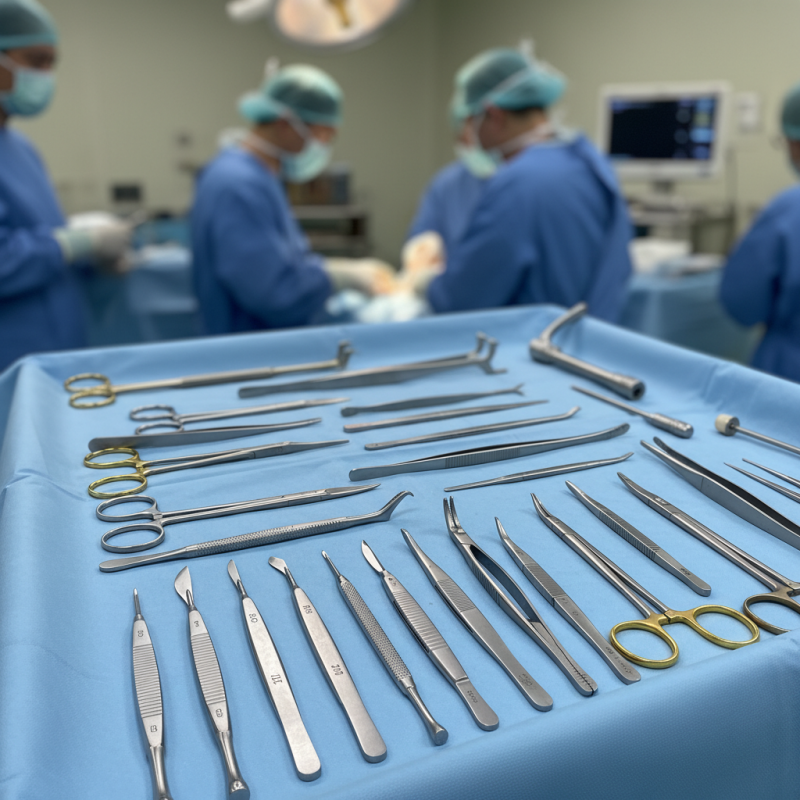
2026 Essential Guide to Surgical Instruments Names and Uses?

Essential Surgical Instruments: An Overview

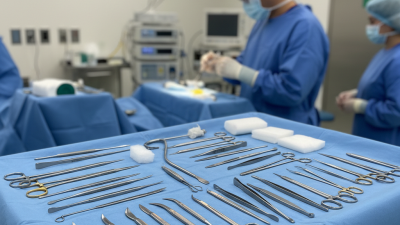
Surgical instruments play a critical role in medical procedures. Knowing their names and uses can enhance a healthcare professional’s efficiency. For instance, scalpels are often utilized for making incisions. Their sharp, precise blades are essential for creating clean cuts. Similarly, forceps are vital tools for holding tissues and clamping blood vessels. Their grip can make or break a surgical outcome.

Instruments like scissors are not justfor cutting; they come in various types. Some scissors are designed to dissect tissue, while others focus on suturing. Awareness of these differences can streamline the surgical process. One area that requires reflection is the proper sterilization of instruments. Even minor lapses can lead to serious infections. Medical teams must continually assess their procedures to minimize risks.

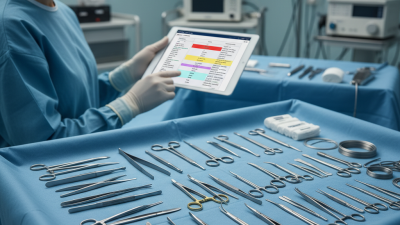
It’s important to ensure that tools are in optimal condition. Dull instruments can complicate tasks and increase operation time. Regular maintenance should be a habit within surgical teams. Taking time to review the inventory of instruments also helps in identifying worn-out items. This proactive approach may not always be perfect, but it is essential for patient safety.

2026 Essential Guide to Surgical Instruments Names and Uses

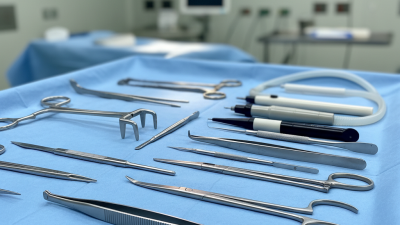
Instrument Name Description Common Uses
Scalpel A small, sharp knife used for incision. Making precise cuts in skin and tissue.
Scissors Cutting instruments with a pivot point. Cutting sutures, tissue, and other materials.
Forceps Tweezer-like instruments for grasping. Holding tissue, suturing, and removing foreign objects.
Hemostat Clamps that control bleeding. Clamping blood vessels to prevent blood loss.
Scissors Cutting instruments with a pivot point. Cutting sutures, tissue, and other materials.
Needle Holder A clamp for holding needles during suturing. Used in suturing skin and tissues.
Bovie Electrosurgical device for cutting and coagulating. Minimizing bleeding during surgery.
Suction Device Removes fluids and debris from the surgical site. Maintaining a clear surgical field.

Types of Surgical Instruments and Their Specific Uses

Surgical instruments are essential in the operating room. Each type serves a specific purpose. For example, scalpels are used for making incisions. Scissors, on the other hand, cut tissue or sutures. According to recent industry reports, over 15 million surgeries are performed annually in the United States alone. This highlights the demand for effective surgical tools.

Another key category is clamps. Clamps are vital for controlling bleeding during procedures. Hemostatic forceps are among the most commonly used. These instruments help surgeons manage blood flow, ensuring safety. Additionally, retractors assist in holding back tissues for better visibility. Their proper use can significantly affect surgical outcomes.

Despite advancements, challenges remain. The complexity of certain procedures can lead to misuse of instruments. Improper handling may cause complications. Training remains crucial in mastering these tools. As the medical field evolves, ongoing education on instruments must adapt. This ensures that surgeries continue to improve in safety and effectiveness.

2026 Essential Guide to Surgical Instruments Names and Uses

Common Handheld Surgical Tools and Their Functions

Handheld surgical instruments are crucial in operating rooms. These tools have distinct functions that are essential for successful surgeries. For instance, scalpels are used for incisions. They allow precise cuts. Forceps help grasp tissue, providing better control during procedures. According to a recent report by the World Health Organization, proper instrument use can reduce surgery time by up to 30%.

Another important tool is scissors. Surgical scissors vary in design, suitable for different tasks. Curved scissors are often used for cutting delicate tissues. Hemostatic clamps control bleeding effectively. Research indicates that improper use of these instruments can lead to complications. A study revealed that nearly 15% of surgical errors stem from instrument mishandling.

Surgeons must be well-trained in using these tools. Even minor mistakes can have severe implications. Continuous education is necessary. Not everyone fully understands each tool’s purpose. Regular workshops could bridge this knowledge gap. Data shows that 25% of surgical staff require further training in instrument handling. These findings highlight the importance of mastering the use of handheld surgical tools.

Operating Room Equipment: Key Instruments for Surgical Procedures

In the operating room, surgical instruments play a critical role. Each tool has a specific function. Understanding their names and uses can greatly enhance surgical efficiency. For instance, scalpels are used for making incisions. They must be sharp and precise. Scissors, on the other hand, help in cutting tissues. Their design varies based on surgical needs.

Forceps are essential for grasping tissues. There are many types, each suited for a different purpose. Some are designed for delicate work, while others handle larger structures. Hemostats control bleeding during surgery. They clamp blood vessels tightly, ensuring a clearer view for surgeons. The correct use of these instruments can drastically impact the outcome.

Despite all the training, mistakes can happen. An instrument may slip, or a tool could be misplaced. These errors remind us of the importance of attention to detail. Each instrument serves a purpose, but their use requires constant practice and reflection. Continuous learning is key to mastering surgical procedures.

Maintenance and Sterilization of Surgical Instruments

2026 Essential Guide to Surgical Instruments Names and Uses?

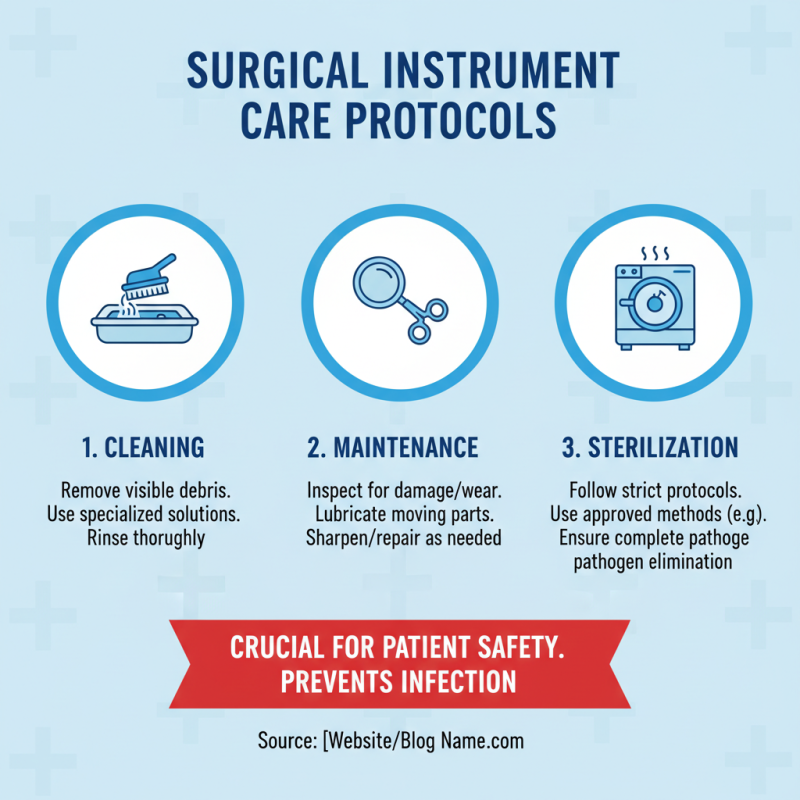
Surgical instruments are vital for various medical procedures. Their effectiveness relies heavily on proper maintenance and sterilization. Instruments can harbor pathogens if not cared for correctly. It is crucial to establish strict protocols for their cleaning.

Cleaning begins with immediate rinsing after use. This helps remove blood and tissue remnants. Instruments should be soaked in a disinfectant solution until they can be thoroughly cleaned. A soft brush or cloth cleans hard-to-reach areas. Neglecting this step can lead to contamination.

Sterilization is where precision matters. Autoclaving is a standard method. However, not all materials can withstand high heat. Some instruments require chemical sterilization instead. It’s easy to overlook manufacturers' guidelines, but this can compromise safety. Regular audits on sterilization procedures help identify gaps. Maintaining records of sterilization cycles is also essential. This creates a traceable history for each instrument.