China Best General Surgical Instruments for Optimal Medical Practice?
The landscape of general surgical instruments has seen significant developments in recent years. As healthcare continues to evolve, so does the demand for high-quality surgical tools. According to a report by Global Market Insights, the global market for surgical instruments is projected to reach over $15 billion by 2026. This growth underscores the importance of selecting the best instruments to optimize medical practice.
Dr. John Smith, a leading expert in surgical tools, emphasizes the criticality of quality in this field. He states, “The precision of general surgical instruments directly impacts patient outcomes.” His insights highlight that the right instruments not only enhance surgeons’ efficiency but also ensure safer procedures. However, not all instruments meet these high standards, raising concerns about quality consistency in the industry.
There is still much to reflect on regarding manufacturing practices and regulatory compliance. The emergence of subpar products complicates the decision-making process for healthcare providers. A commitment to evidence-based choices in general surgical instruments is necessary to uphold patient safety and care quality. As the industry continues to advance, the pursuit of excellence remains a shared responsibility among manufacturers, surgeons, and healthcare institutions.

Overview of General Surgical Instruments Used in China
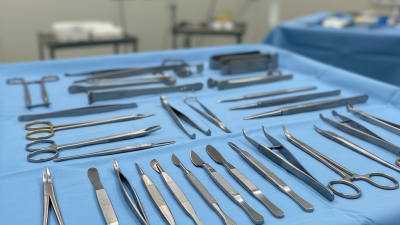
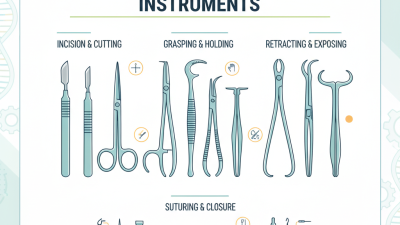
In China's medical landscape, general surgical instruments play a critical role. Surgeons rely on a diverse range of tools to perform various procedures effectively. Common instruments include scissors, forceps, and scalpels. Each tool has its specific use, designed for precision.
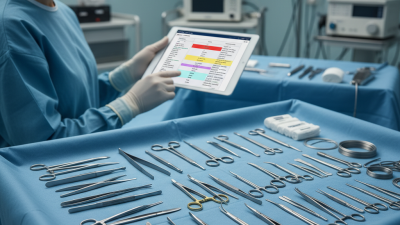
The manufacturing standards of these instruments are crucial for patient safety. Many surgical instruments are made from high-quality stainless steel. However, not all manufacturers meet these standards consistently. This inconsistency can lead to unreliable tools, affecting surgical outcomes. Choosing the right supplier is essential for healthcare providers.
Surgeons must stay informed about advancements in surgical instruments. Continuous education helps them select appropriate tools for specific surgeries. The medical community encourages sharing knowledge and experiences. This collaboration can lead to improved practices. Reflecting on past experiences can highlight areas needing attention, ensuring better patient care.
Overview of General Surgical Instruments Used in China
Key Manufacturers of Surgical Instruments in China
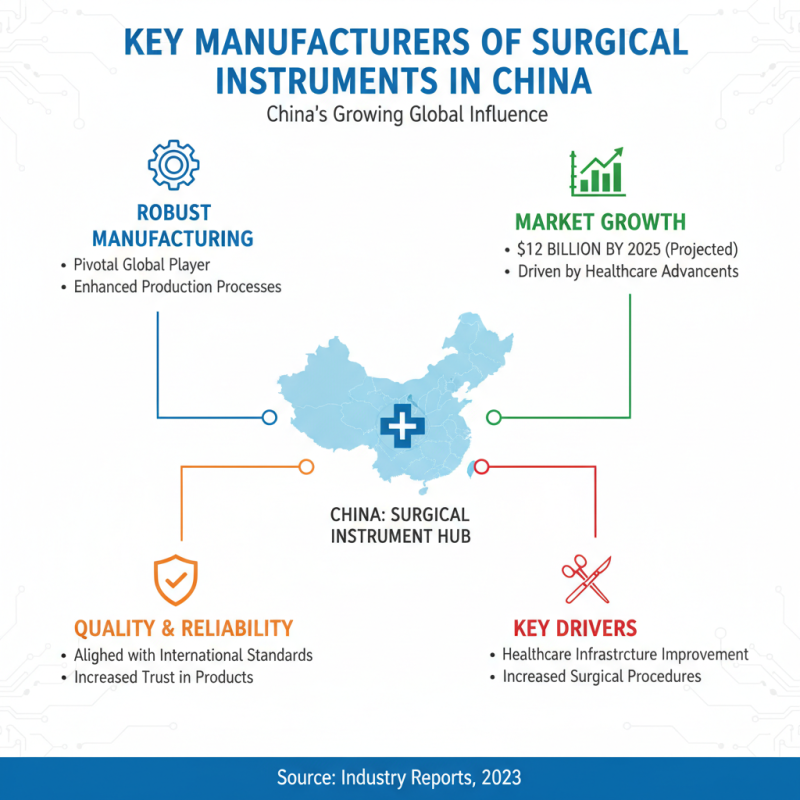
China has emerged as a pivotal player in the global surgical instrument market, thanks to its robust manufacturing capabilities. Recent reports indicate that the surgical instruments market in China is projected to reach approximately $12 billion by 2025, driven by advancements in healthcare infrastructure and increased surgical procedures. Major manufacturers have enhanced their production processes, aligning them with international standards, which boosts reliability and trust in their products.
In this competitive landscape, understanding the key manufacturers is crucial for medical practitioners. Many Chinese companies specialize in various types of surgical instruments, including scalpels, forceps, and sutures. These manufacturers often participate in international trade shows, showcasing their innovations and capabilities. However, a notable concern is the consistency in quality across different products. Some instruments may not meet the expected precision, prompting a need for careful supplier selection.
Tip: Always verify the certifications and quality standards of surgical instruments before use.
Additionally, the rapid growth of this industry has led to challenges. Some manufacturers prioritize cost reduction over quality assurance, creating variability in instrument effectiveness. This inconsistency can impact surgical outcomes and patient safety.
Tip: Collaborate with peers to share experiences on the performance of different instruments.
Staying informed about key players and product quality is essential for optimizing medical practice and ensuring the best patient care.
Quality Standards and Regulations for Surgical Instruments in China
In China, the quality standards for surgical instruments are vital. The regulatory framework is evolving continuously to ensure safety and efficacy. Regulatory bodies oversee the approval process. They set strict guidelines for production and testing. Manufacturers must comply with these standards to market their instruments.
However, not all products meet the expected quality. Some instruments may enter the market without adequate testing. This situation raises concerns about patient safety. Hospitals and clinics must verify the credentials of their suppliers. Knowledge about relevant certifications is crucial for healthcare providers.
Training sessions on instrument usage can also be beneficial. This practice ensures that medical professionals understand their tools fully. Inadequate training can lead to misuse and serious consequences. A commitment to quality is essential, but it must be paired with proper education. This combination will enhance surgical outcomes and patient care.
China Best General Surgical Instruments for Optimal Medical Practice
| Instrument Type |
Material |
Quality Standard |
Regulations Compliance |
Typical Use |
| Scalpel |
Stainless Steel |
ISO 13485 |
CFDA Approved |
Incisions in surgeries |
| Hemostatic Forceps |
Carbon Steel |
ISO 9001 |
CE Marked |
Controlling bleeding |
| Scissors |
Stainless Steel |
ASTM F899 |
FDA Compliant |
Cutting tissues |
| Needle Holder |
Stainless Steel |
ISO 13485 |
CFDA Approved |
Suturing |
Trends and Innovations in China’s Surgical Instrument Industry
China's surgical instrument industry has experienced significant growth in recent years. According to a recent market report, the sector is projected to reach $12 billion by 2025, reflecting a compound annual growth rate (CAGR) of 8%. This surge is mainly due to advancements in technology and an increasing demand for high-quality surgical instruments. The growing population and rising health standards in China are key drivers.
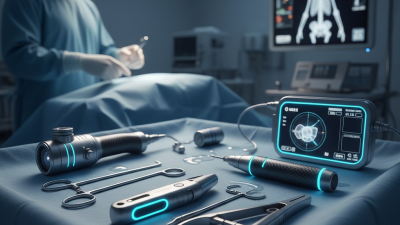
Innovative designs and superior materials have led to better precision and efficiency in surgeries. Manufacturers are integrating smart technologies, such as AI and robotics, into their products. These innovations aim to enhance surgical outcomes and reduce recovery times. However, while the growth is promising, some challenges remain. Quality control in production and maintaining international standards are ongoing issues.
Reports indicate that over 30% of companies face certification hurdles, affecting their ability to compete globally.
Additionally, the sustainability of materials used in surgical instruments is under scrutiny. The transition to eco-friendly materials is slower than expected, raising concerns about environmental impact. Manufacturers must navigate these complexities to ensure a balance between innovation and responsibility. The road ahead may require more collaboration between companies and regulatory bodies to address these hurdles effectively.