2026 Best Orthopedic Surgical Instruments for Global Buyers?
In the evolving landscape of healthcare, orthopedic surgical instruments play a crucial role in patient outcomes. These specialized tools are essential for surgeons to treat musculoskeletal conditions. With innovations in design and technology, the market for orthopedic surgical instruments is growing rapidly.
Global buyers seek high-quality instruments that meet stringent performance and safety standards. Selecting the right tools can significantly impact surgical precision and recovery. Factors like material quality, ergonomics, and ease of sterilization are all vital.
However, not every instrument meets the high expectations of orthopedic professionals. Some may fall short in durability or effectiveness, leading to reflection on manufacturing practices. It’s essential for buyers to connect with trusted suppliers who prioritize quality control. As we explore the best orthopedic surgical instruments of 2026, the focus remains on reliability and advancing surgical success.

Top Trends in Orthopedic Surgical Instruments for 2026
As we look ahead to 2026, the orthopedic surgical instruments market shows exciting trends. Innovations in materials and design are leading the way. Lightweight and durable materials enhance usability. Surgeons prefer instruments that provide better ergonomics. This shift improves precision during surgeries.
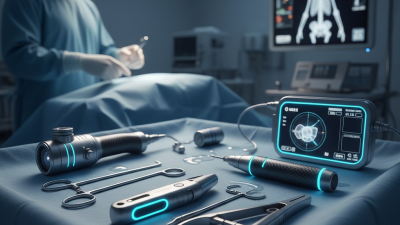
Digital technologies are also gaining traction. Instruments integrated with sensors enable real-time feedback. Such innovations may reduce complications and improve patient outcomes. However, the learning curve for these tools can be steep. Training will be essential for successful implementation.
Sustainability is another critical trend. Manufacturers are exploring eco-friendly materials. This choice meets the demand for greener surgical practices. Still, the balance between cost and environmental responsibility requires careful consideration. As the industry evolves, these trends highlight the need for continuous adaptation in surgical practices.
2026 Best Orthopedic Surgical Instruments Trends
Key Features to Consider in Purchasing Orthopedic Instruments
When purchasing orthopedic surgical instruments, several key features must be considered. Quality and precision are paramount. Instruments should provide the exact functionality needed during various procedures. The material used for these tools impacts durability. Stainless steel is a popular choice for its resistance to corrosion.
Ergonomics is another essential feature. Instruments should fit comfortably in a surgeon's hand. This ensures optimal control during procedures. Weight distribution matters as well; overly heavy tools can lead to fatigue, impacting performance.
Moreover, the availability of different sizes can be crucial. Surgeons often require specific dimensions for tailored operations. It is important that instruments cater to diverse anatomical needs. In some cases, instruments may not meet expectations. This could affect outcomes. Always evaluate and reflect on the effectiveness of the tools after use to ensure continuous improvement in surgical practices.
Major Global Suppliers of Orthopedic Surgical Instruments
The market for orthopedic surgical instruments continues to expand globally. Surgeons require precision tools for effective treatment. Major suppliers play a crucial role in this sector. They ensure access to high-quality instruments. Their products include drills, saws, and fixation devices. These items must meet stringent safety standards. Reliable suppliers often provide certifications to assure quality.
Choosing the right suppliers can be challenging. Variability in product quality exists. Some instruments may not meet expectations. It’s vital to assess supplier reputation before purchasing. Feedback from healthcare professionals can provide insights. Attending trade shows can also reveal new innovations. Engaging with providers helps build trust and understanding. While many suppliers claim expertise, not all offer the same level of service.
Purchasing decisions rely on various factors. Price may influence choices, but quality should remain a priority. Effective instruments can dramatically affect patient outcomes. Conducting thorough research ensures the best choices are made. The goal is to enhance surgical success rates and patient safety. Balancing cost with quality is a continuous challenge in the orthopedic field.
Innovative Technologies Shaping Orthopedic Surgery Tools
The field of orthopedic surgery is evolving rapidly. Innovative technologies are driving the development of surgical instruments that maximize precision and minimize recovery time. Advanced imaging systems, such as 3D imaging and augmented reality, enhance a surgeon's ability to plan and execute complex procedures. These tools allow for more accurate placements of implants, which can lead to better outcomes for patients.
Tips: Always stay informed about new technologies. Regular training on these tools can improve surgical skills.
Robotic-assisted systems are becoming more commonplace in operating rooms. These systems offer greater dexterity and control. They permit surgeons to perform minimally invasive procedures with enhanced accuracy. Hence, patients benefit from reduced scarring and quicker recoveries. However, reliance on technology requires careful consideration. Surgeons must remain adept in traditional techniques as well.
Tips: Practice mindfulness when using advanced instruments. Ensure that the fundamentals of surgery are not forgotten.
Additionally, materials science is making strides, allowing for the development of stronger, lighter instruments. This improves usability and patient outcomes. Smart instruments with integrated sensors are emerging, providing real-time data to surgeons. While these advancements hold promise, they also introduce challenges. Balancing innovation and patient safety is crucial for a successful practice.
Best Practices for Selecting and Maintaining Surgical Instruments
Choosing and maintaining orthopedic surgical instruments requires careful consideration. Surgeons and medical facilities must prioritize quality and reliability. Proper instrument selection impacts patient outcomes significantly. It is essential to understand the specific needs of the procedures you'll perform.
**Tips**: Always evaluate the material and design. Instruments made from high-quality stainless steel typically last longer and resist corrosion. Regularly inspect tools for wear and tear. This practice prevents potential complications during surgeries.
Maintenance is just as crucial as selection. Clean and sterilize instruments according to industry standards. Improper cleaning can lead to infections. Keep instruments organized and labeled to avoid confusion during surgeries. This approach also speeds up the preparation process.
**Tips**: Create a maintenance schedule for each type of instrument. Documentation helps track usage and repairs, ensuring you never overlook necessary care. Engage your team in regular training on handling and maintaining instruments to improve overall reliability. Regular practice can identify issues early, allowing for timely solutions.