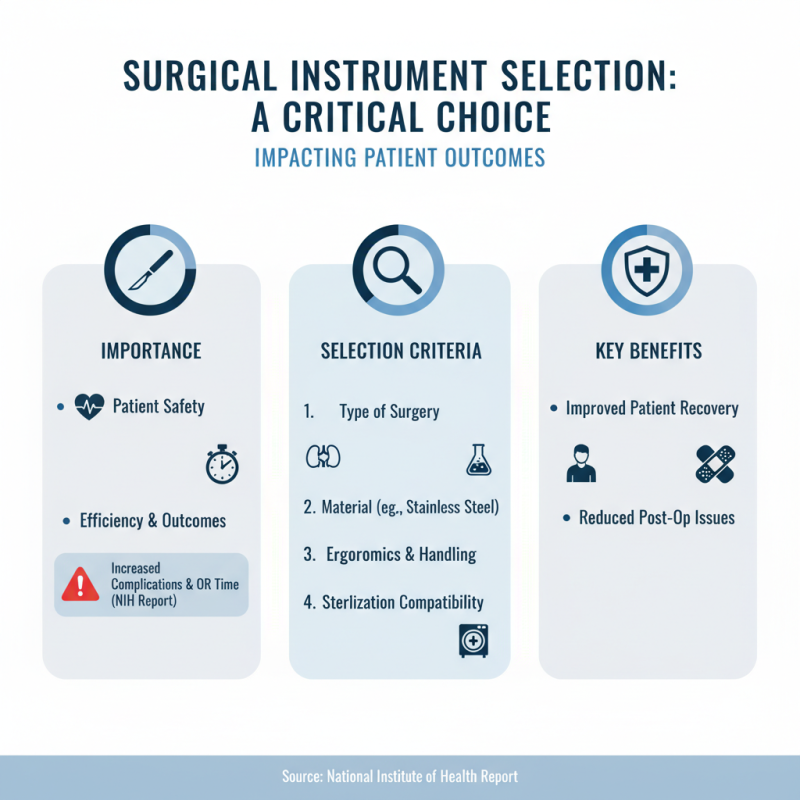
10 Best Surgical Instrumentation Tools for Every Medical Professional?
Surgical instrumentation is vital for medical professionals. The right tools can significantly affect patient outcomes. According to the 2021 Global Surgical Instrumentation Market report, the industry was valued at over $12 billion, with a projected growth of 7% annually. This highlights a rising demand for quality surgical tools.
Dr. Emily Carter, a leading expert in surgical instrumentation, stated, "The efficiency of surgical tools directly correlates with the success of procedures." Her insight underscores the importance of selecting appropriate instruments. However, many professionals overlook the specificity required for different surgeries.
Understanding the nuances of surgical instrumentation is crucial. Each tool serves a unique purpose, yet accuracy in their use is often neglected. As technology evolves, so do the expectations surrounding surgical tools. Professionals must continually adapt and refine their skills to ensure optimal performance in the operating room.
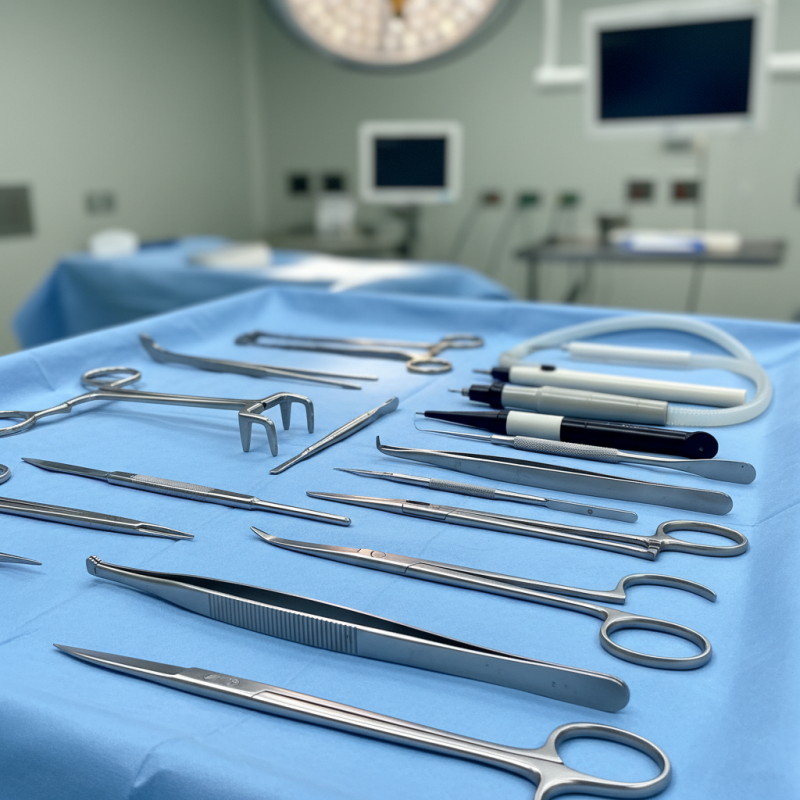
Overview of Surgical Instrumentation Tools in Modern Medicine
Surgical instrumentation tools are essential in modern medicine. They play a vital role in surgical procedures. Each tool serves a specific purpose, ensuring precision and safety. For instance, scalpels make clean incisions. Forceps assist in holding tissues. These tools must be designed for functionality and durability.
Despite advancements, challenges remain. Some instruments can be difficult to handle, especially for beginners. There's a learning curve involved. Surgeons need to practice to master their use. Proper sterilization is another concern. Not all tools are easy to keep clean, risking patient safety.
Innovative designs continue to emerge. However, not all innovations are practical. Some tools may look advanced but aren't user-friendly. Medical professionals often find themselves reflecting on tool efficiency. Each surgery is unique, requiring the right set of instruments. Balancing tradition with innovation is a constant challenge.
10 Best Surgical Instrumentation Tools for Every Medical Professional
Top 10 Surgical Instrumentation Tools: Features and Benefits
Surgical instrumentation tools are vital for any medical professional. Choosing the right tools can greatly affect outcomes in surgery. Each instrument serves a unique purpose, and understanding their features is essential.
Scalpel blades are critical for making precise incisions. They come in various sizes, which cater to different surgical needs. The right blade means cleaner cuts and quicker healing. Forceps provide the perfect grip for holding tissues. Their design allows for ease of maneuverability during delicate procedures.
Another important tool is scissors. They vary from fine to heavy-duty types. Each has its specific use, from cutting sutures to dissecting tissues. Additionally, retractors are crucial for holding back skin and tissue, revealing the surgical area. Their ergonomic design helps in minimizing fatigue during long surgeries. However, choosing the wrong size can lead to discomfort for both the surgeon and the patient.
Overall, the selection of surgical tools is an intricate process. Understanding both their features and potential limitations is key to successful procedures. Medical professionals must continuously evaluate their toolset for optimal performance.
10 Best Surgical Instrumentation Tools for Every Medical Professional
| Instrument |
Features |
Benefits |
| Scalpel |
Precision blade design |
Accurate incisions with minimal tissue damage |
| Scissors |
Various designs for cutting |
Versatile use in different surgical procedures |
| Forceps |
Gripping and holding capability |
Better control over tissues during surgery |
| Needle Holder |
Locking mechanism |
Secure grip on needles for suturing |
| Hemostatic Forceps |
Clamps and grips |
Control bleeding during procedures |
| Scissors |
Specialized for suturing |
Enhance suturing efficiency |
| Electrosurgical Pencil |
Energy delivery tool |
Minimizes blood loss through heat |
| Suction Device |
Removes fluids |
Maintains visibility in the surgical field |
| Bipolar Forceps |
Dual energy application |
Precision dissection with reduced thermal injury |
| Retractor |
Holds back tissues |
Enhances access to surgical areas |
Comparative Analysis of Surgical Instrument Types and Their Uses
Surgical instrumentation plays a crucial role in medical procedures. Each type of instrument has a specific function. For example, scalpels are used for making incisions. They require precision and sharpness for successful outcomes. Scissors, on the other hand, serve to cut tissues. The correct type of scissors can vary based on the tissue type.
For grasping and holding, forceps are essential tools. They allow surgeons to maintain a steady grip on tissues. However, using forceps incorrectly can lead to unintended damage. Similarly, clamps are used to occlude blood vessels. When not applied properly, they may cause excessive bleeding. Each tool has its own intricacies that need careful consideration.
Surgical instruments also vary greatly in complexity. Some are basic, while others are quite delicate. The choice of instruments can influence surgical success. A surgeon must constantly evaluate the effectiveness of their tools. This requires ongoing training and practice. Understanding each instrument's purpose and limitations is vital for every medical professional.
Future Trends in Surgical Instrumentation Technology and Design
The future of surgical instrumentation technology is evolving rapidly. Advances in robotics and artificial intelligence are transforming how surgeries are performed. According to recent industry reports, 30% of procedures are now supported by robotic systems. This trend emphasizes precision and minimally invasive techniques, which can reduce recovery times.
Tips: Stay updated on emerging technologies. Follow industry publications to grasp trends in surgical tools and their applications.
New materials and smart instruments are also on the rise. Instruments that can monitor vital signs or adjust their own settings during surgery are becoming a reality. However, there is still a need for better integration of these high-tech tools into everyday practice. Many healthcare professionals express concerns about training and adaptability.
Tips: Engage in training sessions focused on new technologies. This will enhance your proficiency and comfort level with advanced tools.
While innovation is essential, it should not overshadow foundational skills. The art of surgery relies on experienced hands and solid judgment. Over-reliance on technology can lead to complacency. Balancing tech with hands-on practice is critical for future generations of medical professionals.