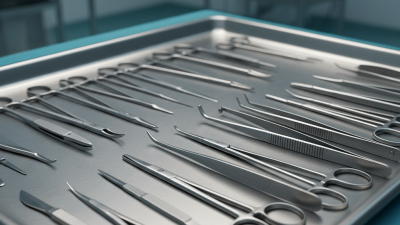
In the realm of healthcare, having the right tools is crucial. General surgical instruments with names can vary widely based on their functions. These instruments play a vital role in surgeries, ensuring precision and safety. Knowing each instrument’s purpose enhances surgical performance.
This article delves into a selection of China’s best general surgical instruments with names explained. We aim to provide insights into their design and usage. However, it's important to remember that not all instruments are created equal. Some may be better suited to specific procedures than others.
Understanding the nuances of general surgical instruments with names can significantly improve surgical outcomes. Yet, ongoing advancements in technology and technique mean that what works well today may not hold true in the years to come. Keeping abreast of these developments is essential for healthcare professionals.
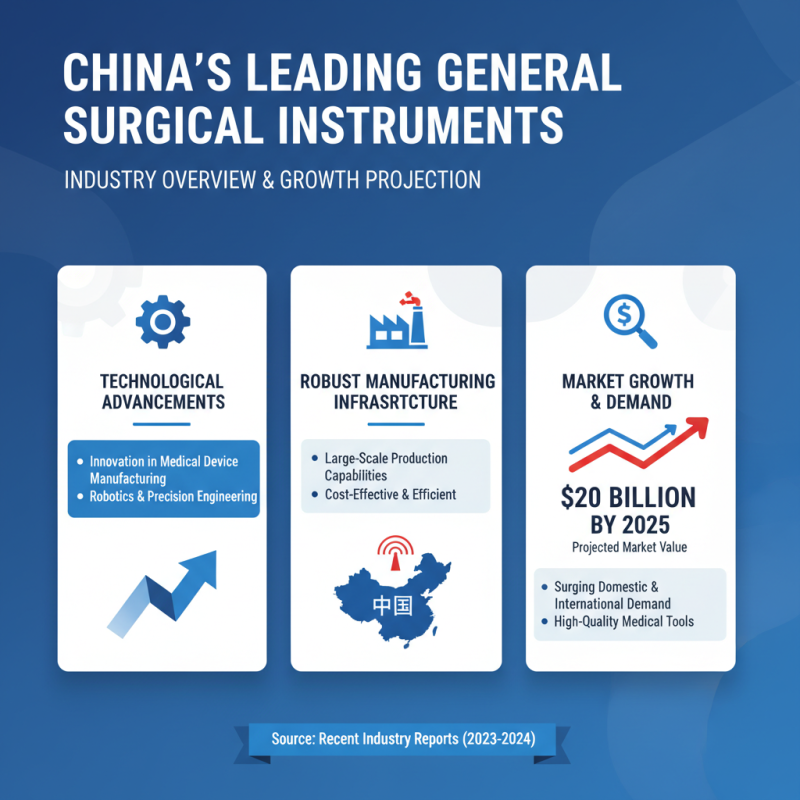
China has positioned itself as a leading manufacturer of general surgical instruments. The country's growth in this field can be attributed to advancements in technology and a robust manufacturing infrastructure. According to recent industry reports, China's surgical instrument market is projected to reach approximately $20 billion by 2025. This growth reflects a surging demand for high-quality medical tools in both domestic and international markets.
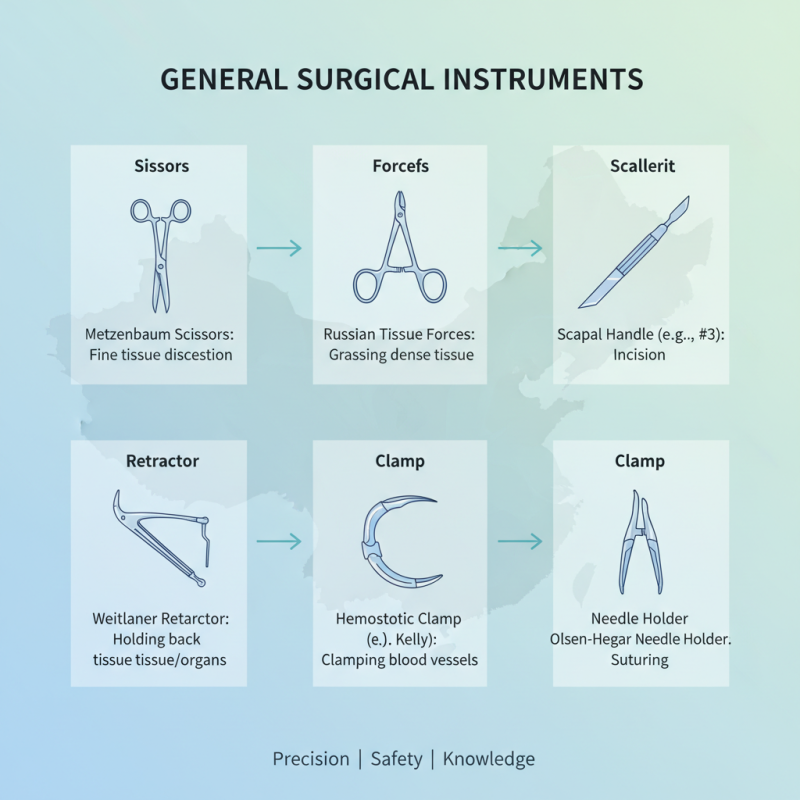
The general surgical instruments produced in China encompass a wide range of tools, from scalpels to forceps. Each instrument is crafted with precision, essential for successful surgeries. For instance, the stainless steel used provides durability and resistance to corrosion. While many instruments meet international quality standards, not all manufacturers consistently achieve this. It's crucial for hospitals to verify certifications and quality assurance processes.
Despite the growth, challenges remain. Some instruments may not meet the stringent requirements of developed markets. Inconsistencies in quality control can lead to significant issues in operating rooms. Continuous improvement in manufacturing practices is necessary to enhance reputation and reliability. The industry must reflect on these shortcomings to compete effectively on a global scale.
Surgical instruments are vital in general surgery. In China, a variety of instruments are used. Knowing their specifications is crucial for effective procedures.
Scalpels are fundamental. They come in various sizes and blade shapes. Each is designed for specific tasks, like making precise incisions. Forceps are also essential. They are used for grasping tissues. Their tips can vary from smooth to serrated, impacting their grip.
Understanding these tools leads to better surgical outcomes. However, not all surgeons may know every detail of these instruments. Training and experience can help bridge this gap. In practice, familiarity with specifications can enhance a surgeon's efficiency. Still, some might underestimate the importance of these tools amid a busy procedure. Continuous education is necessary for improvement.
| Instrument Name | Description | Specifications | Usage |
|---|---|---|---|
| Scalpel | Surgical knife used for incisions | Material: Stainless Steel; Blade Size: 10-20 | General surgeries, incisions |
| Scissors | Used for cutting tissues | Length: 6-8 inches; Material: Stainless Steel | Cutting sutures, tissues |
| Forceps | Used for grasping and holding tissues | Material: Stainless Steel; Size: 4-10 inches | Grasping tissues and sutures |
| Hemostatic Clamp | Used to control bleeding | Length: 5-10 inches; Material: Stainless Steel | Clamping blood vessels |
| Needle Holder | Used to hold suturing needles | Length: 6-8 inches; Material: Stainless Steel | Suturing wounds |
In Chinese operating rooms, surgical instruments play a vital role in ensuring successful patient outcomes. Among the top five instruments frequently used are scalpels, forceps, scissors, hemostats, and needle holders. Each of these tools serves a unique purpose that facilitates various surgical procedures.
Scalpels are essential for making incisions. Their precision is critical, yet their sharpness poses a risk. Proper handling and disposal are crucial to avoid surgical site infections. Forceps, another staple, assist in gripping tissue. Different types cater to various needs, yet misplacement can lead to complications.
Scissors are necessary for cutting tissues and sutures. Some surgeons prefer specialized scissors for specific tasks. Hemostats are vital for controlling bleeding during operations. However, excessive use may cause tissue damage.
Finally, needle holders are key for suturing. Their effectiveness depends on the surgeon’s skill. Each instrument requires careful consideration and practice, indicating the ongoing learning in surgical arts.
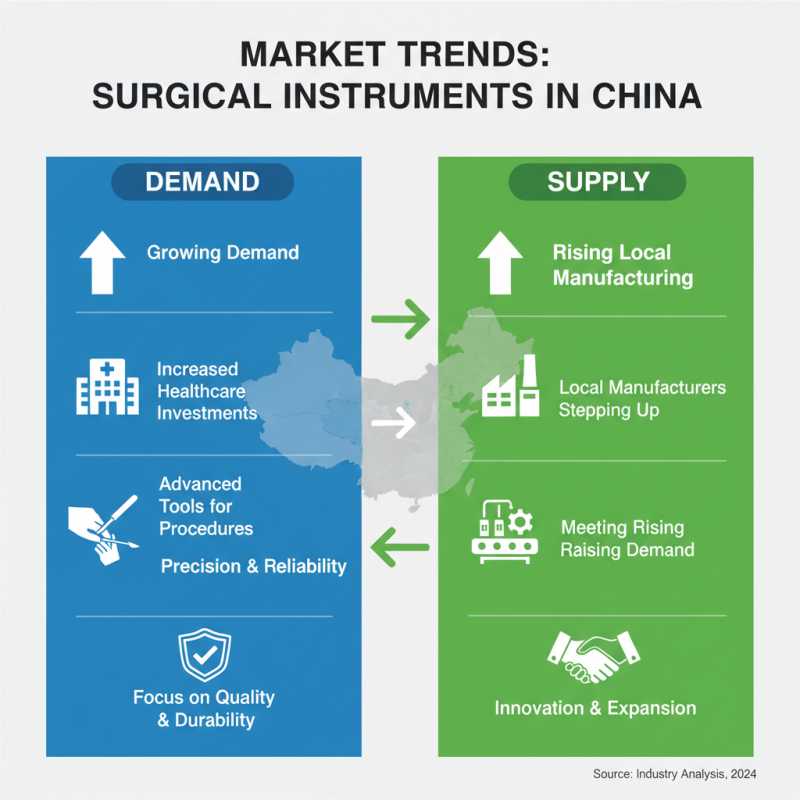
The demand for surgical instruments in China continues to grow. Increased healthcare investments drive this trend. Hospitals require advanced tools for various procedures. Surgeons seek reliable instruments for precise operations. There is a focus on quality and durability. Many local manufacturers are stepping up. They aim to meet the rising needs.
Supply chain dynamics also play a crucial role. Fluctuating materials costs impact production. Some companies struggle to maintain consistent quality. Heavy competition can lead to shortcuts. This causes concerns among practitioners. Trust in instruments is vital for patient safety. Manufacturers must address these challenges.
Furthermore, technological advancements enable new instrument designs. Digital tools enhance precision in surgeries. Some traditional approaches may need reevaluation. Innovation remains key in this sector. Yet, adaptation takes time. Overall, the landscape is evolving quickly. It is essential to remain vigilant amidst these changes.
Innovations in surgical instrument design have transformed the healthcare landscape. Chinese manufacturers are at the forefront of this evolution. In recent years, the surgical instrument market has experienced growth, with a projected annual growth rate of 5.4% from 2021 to 2026, according to industry reports. This trend reflects the increasing demand for advanced surgical tools that enhance precision and efficiency in the operating room.
Chinese producers are integrating modern technologies like robotics and smart materials into their designs. These innovations aim to reduce surgical times and improve patient outcomes. A survey in 2023 showed that 62% of surgeons preferred instruments with enhanced ergonomics. Such developments boost not only surgical safety but also minimize recovery time for patients. However, the quality control in this fast-growing sector needs ongoing improvement. Some manufacturers still struggle to meet international standards.
While many products excel in design, consistency remains an issue. The variance in quality between different suppliers can lead to confusion. Medical professionals must remain vigilant when selecting instruments. Reports indicate that 15% of surgical complications can arise from instrument-related errors. This highlights the importance of continual evaluation and refinement in instrument design and manufacturing practices. The journey toward flawless surgical tools is ongoing.