How to Choose the Best Waterjet Cutting Machinery for Your Needs
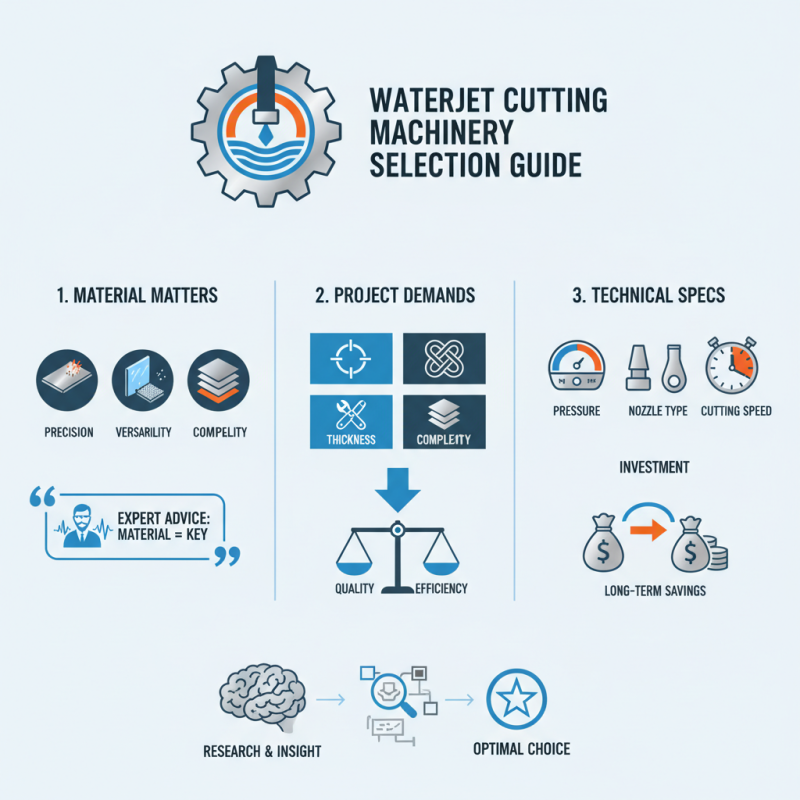
Choosing the right waterjet cutting machinery can be a daunting task. With so many options available, how do you find what suits your needs? John Smith, a renowned expert in waterjet technology, once stated, "Understanding your material is key to selecting the right machinery." This highlights the importance of aligning equipment capabilities with your specific projects.
waterjet cutting machinery offers precision and versatility, making it ideal for various applications. Different materials, from metal to glass, require different cutting techniques. The choice starts with understanding these materials and knowing what your projects demand. Often, businesses choose machinery based on price rather than suitability. This can lead to poor results and wasted resources.
Many buyers overlook essential features while focusing too much on cost. It’s crucial to assess the machinery’s technical specifications, such as pressure and nozzle types. Experts stress that sometimes, investing more upfront can save you money in the long run. Reflecting on the options requires research and clear insight into your production needs. Finding the right balance will lead to better efficiency and quality.
Understanding Waterjet Cutting: Principles and Applications
Waterjet cutting is a remarkable technology that utilizes high-pressure water to cut through materials. This process can handle various substances, including metal, glass, and stone. Unlike traditional cutting methods, waterjet cutting does not produce heat. This characteristic avoids thermal distortion. As of 2023, the global waterjet cutting machinery market is expected to reach approximately $1.2 billion, highlighting its growing adoption across industries.
Understanding the principles is crucial before investing in this machinery. Waterjets operate using pressurized water, which can reach up to 90,000 psi. Adding abrasives enhances their cutting capabilities, tackling tougher materials effectively. A recent report indicated that the demand for waterjet cutting grew by 10% in the aerospace and automotive sectors. This statistic emphasizes its importance in industries requiring precision cutting.
However, there are challenges. Operators must maintain equipment properly, which can be costly. Not all materials are suitable for waterjet cutting. For example, thick metals can be time-consuming to cut. Such factors require careful consideration during selection. The balance between capabilities and limitations is essential to achieve optimal results. Understanding your specific cutting needs will guide you in making informed decisions.
Key Factors to Consider When Choosing Waterjet Machinery
When selecting waterjet cutting machinery, it's crucial to consider several key factors. Machine capabilities are primary. The maximum cutting thickness can vary significantly. Many machines cut materials up to 8 inches thick. However, if your projects often involve thicker materials, checking specifications is essential. This choice can impact your efficiency and material costs.
The type of material also plays a vital role. Waterjet cutters excel with ceramics, metal, and composites. Industry data indicates that more businesses rely on waterjet technology for diverse materials. This versatility can reduce the need for multiple machines, saving time and space. Yet, not all models handle every material equally. Be sure to check compatibility with your requirements.
Operational costs must not be overlooked. Waterjet systems often have lower energy consumption than other cutting methods. A recent report highlighted that operational costs could decrease by 30% with efficient waterjet cutting. However, maintenance needs are unavoidable. Regular service is a requirement for optimal performance. A machine that seems perfect on paper might not deliver efficiency when faced with long-term service costs. Balancing these factors is essential when making an informed decision.
Key Factors to Consider When Choosing Waterjet Machinery
Types of Waterjet Cutting Machines and Their Features
Waterjet cutting machines come in various types, each suited for specific tasks. One common type is the abrasive waterjet. It mixes water with abrasive materials. This allows for cutting through tough materials like metal or stone. The precision of these machines is impressive. Yet, abrasives can be messy. Cleanup might become a frequent hassle.
On the other hand, pure waterjet cutting machines use only high-pressure water. They are great for softer materials such as foam or paper. The cutting process is cleaner. However, they might struggle with harder substances. Choosing between these two options can feel overwhelming. You must assess the materials you typically work with.
Consider your workspace's limitations as well. Some machines require more space than others. Noise levels can also vary. Do you need a quieter operation? Reflect on the overall cost. Sometimes, initial lower prices can lead to higher maintenance. It’s worth pondering your long-term needs in machine capabilities.
Evaluating Performance and Precision in Waterjet Systems
When evaluating waterjet systems, performance and precision are essential factors. The cutting speed directly impacts productivity. A faster system can significantly reduce overall project time. However, speed should not compromise precision. Accurate cuts lead to better material usage and less waste.
Look for specific features that enhance precision. A high-quality nozzle can make a difference in cut quality. The angle of the jet is crucial as well. Precision is often measured in tolerances. Knowing the required tolerances for your projects is vital for making the right choice.
It's also important to consider the machine's overall design. Some systems may have better stability, leading to more accurate cuts. Regular maintenance and proper setup can make a big difference. Reflect on whether the machine fits your workflow. Misalignment or lack of attention to detail can lead to mistakes. Invest time in understanding what works best for your particular needs.
Budgeting for Waterjet Cutting: Costs and Maintenance Considerations
When budgeting for waterjet cutting, several factors come into play. The initial cost of the machinery is just one consideration. You also need to think about installation fees and training costs for operators. These expenses can quickly add up. It's wise to get multiple quotes to avoid overpaying. Many buyers underestimate these expenses.
Maintenance is another crucial aspect. Regular maintenance ensures the longevity of the machine. Neglecting this can lead to costly repairs. Parts can wear down, and replacement costs vary widely. A focus on preventive maintenance can minimize downtime, but some users forget this until issues arise. Training your team on routine upkeep is essential.
Consider operational costs as well. Water and abrasives are ongoing expenses that impact your budget. The type of materials you cut will influence these costs significantly. Sometimes, buyers overlook how material choices can affect the overall budget. Review your options and analyze long-term expenses. This approach can lead to better financial planning.

