How to Choose the Right Knee Surgery Instruments for Your Procedure?
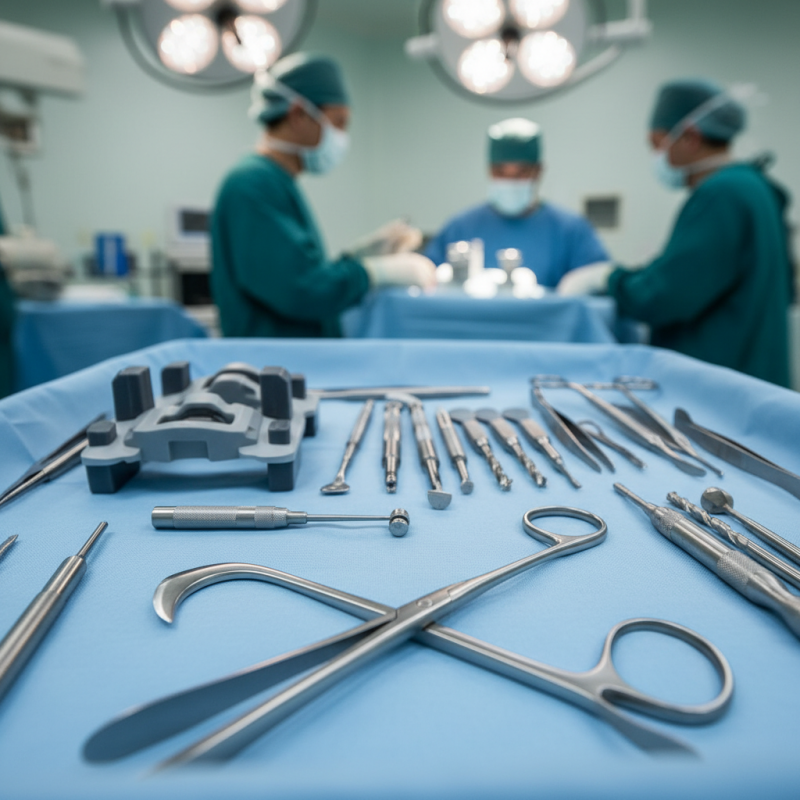
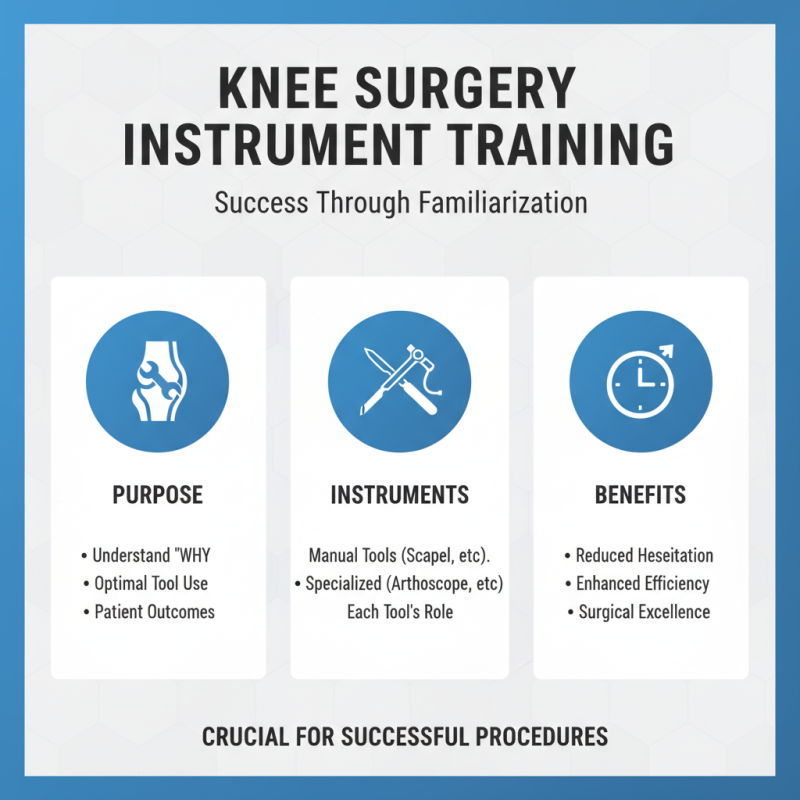
Choosing the right knee surgery instruments is crucial for a successful procedure. Surgeons must consider various factors. The right tools ensure efficiency and precision during surgery.
Knee surgery instruments come in many forms. Some are specialized for specific techniques, while others are more versatile. Understanding the nuances of each instrument is essential. Surgeons need to balance effectiveness with ergonomics. An uncomfortable tool can lead to errors.
Experience plays a significant role in this decision-making process. A seasoned surgeon might prefer familiar instruments. However, newer options may offer advantages. It is vital to stay updated on advancements. Reflecting on past procedures enhances knowledge for future surgeries. Selecting the proper instruments can greatly impact patient outcomes. Each choice has long-term implications for recovery and functionality.
Understanding the Different Types of Knee Surgery Instruments Available
Choosing the right instruments for knee surgery is crucial for a successful outcome. Understanding the types can help you make informed decisions. There are various instruments available, each serving a unique purpose. Common tools include arthroscopes, forceps, and retractors.
Arthroscopes allow surgeons to view inside the joint. They are vital for minimally invasive procedures. Forceps help grasp tissues and maintain control during surgery. Retractors keep the surgical area open, providing better visibility for the surgeon. These instruments often come in different sizes, which can affect their effectiveness.
Tips for selecting instruments include evaluating the specific procedure you are performing. Not all surgeries need the same tools. Consider the surgeon’s preferences as well. Their experience can guide you on what works best. Don't overlook the importance of quality. Instruments should be durable and reliable. Low-quality options can lead to complications during surgery.
Factors to Consider When Selecting Knee Surgery Instruments
When selecting knee surgery instruments, several factors are crucial for ensuring optimal outcomes. The first consideration is the specific type of knee procedure being performed. According to a report from the Orthopedic Research Society, different surgeries like arthroplasty or ligament reconstruction require distinct sets of tools. Using inappropriate instruments can jeopardize the surgery's success rate.
Another important factor is the material and design of the instruments. Instruments made from high-quality stainless steel are preferred for their durability and sharpness. A study published in the Journal of Knee Surgery found that using sharper instruments reduces tissue trauma. Additionally, ergonomic designs can enhance the surgeon's precision and comfort during complex procedures.
Surgeons also need to weigh the importance of instrument sterility. Inadequate sterilization can lead to post-operative infections, increasing complications. Data from the Centers for Disease Control and Prevention highlighted that surgical site infections occur in 3% of orthopedic cases, emphasizing the need for meticulous instrument handling. Evaluating these factors can significantly influence the overall success of knee surgeries.
How to Choose the Right Knee Surgery Instruments for Your Procedure? - Factors to Consider When Selecting Knee Surgery Instruments
| Instrument Type |
Purpose |
Material |
Size Options |
Suitability |
| Scissors |
Cutting tissues |
Stainless Steel |
Standard, Curved |
General Knee Surgery |
| Forceps |
Grasping tissues |
Carbon Steel |
Standard, Locking |
Ligament Repair |
| Drills |
Creating holes for fixation |
Titanium |
Various Diameters |
Knee Implant Surgery |
| Retractors |
Holding back tissues |
Stainless Steel |
Standard, Baby |
Open Knee Surgery |
| Saws |
Cutting bones |
High Carbon Steel |
Standard, Oscillating |
Total Knee Replacement |
Assessing Instrument Quality and Durability for Knee Procedures
When selecting knee surgery instruments, quality and durability are paramount. A recent industry report indicates that high-quality instruments can improve surgical outcomes by 25%. Doctors should focus on materials. Stainless steel is still the gold standard for its strength and rust resistance, while titanium offers excellent biocompatibility.
Another critical factor is the instrument's design. Instruments that are ergonomically designed can help reduce surgeon fatigue. This aspect is often overlooked, but a comfortable grip allows for better precision during procedures. Maintenance is also essential. Instruments that are easy to clean and sterilize ensure reliability and longevity.
Tips: Test instruments in a simulated environment before surgeries. Observe how they perform and feel in hand. Don't rush your decision; sometimes, less popular options can deliver exceptional results. Prioritize quality over cost, as this choice significantly impacts patient outcomes. Remember, reliable instruments can save time and minimize complications.
The Role of Surgeon Experience in Choosing Surgical Instruments
Surgeon experience plays a critical role in selecting the right instruments for knee surgery. A seasoned surgeon understands the nuances of various tools. They recognize which instruments work best for different techniques and patient needs. This knowledge comes from years of practice and analysis. A skilled surgeon knows that the wrong tool can compromise the operation.
Yet, even experienced surgeons can have blind spots. They may rely on familiar instruments without exploring new options. In a rapidly evolving field, staying updated is essential. Engaging in continuous education can bridge gaps in their knowledge. Additionally, collaborating with instrument manufacturers can offer insights into new designs. This dialogue fosters innovation and enhances surgical practices.
Choosing the right instruments also involves intuition. A surgeon’s hands-on experience shapes their judgment. They might prefer some tools over others based on personal comfort. However, it's important to remain flexible and open-minded. Instruments that one surgeon finds optimal may not suit another. Adapting to various instruments can lead to improved outcomes for patients.