2026 How to Choose the Right Orthopedic Devices for Your Needs?
In recent years, the orthopedic devices market has shown remarkable growth. According to a 2022 industry report, the global orthopedic device market was valued at over $48 billion. This rapid expansion indicates the increasing importance of selecting the right orthopedic devices for individual needs.
Choosing the right devices can be overwhelming. Patients face various options, each designed for specific conditions. A survey from the American Academy of Orthopaedic Surgeons revealed that nearly 40% of patients felt confused by their options. It emphasizes the necessity of informed decision-making.
Many orthopedic devices are not one-size-fits-all. Each patient has unique requirements. Understanding the features and benefits of these devices is crucial. Reliable patient education can guide individuals towards making informed choices. Balancing comfort, functionality, and support is essential for optimal recovery. Making an informed decision can lead to better outcomes and enhanced quality of life.
Understanding Your Orthopedic Condition: Key Factors to Consider
When choosing orthopedic devices, understanding your specific condition is crucial. Different conditions require tailored solutions. For example, if you have arthritis, it may affect your joint mobility. On the other hand, a sports-related injury might need support for quick recovery. Each condition presents unique challenges that your device must address.
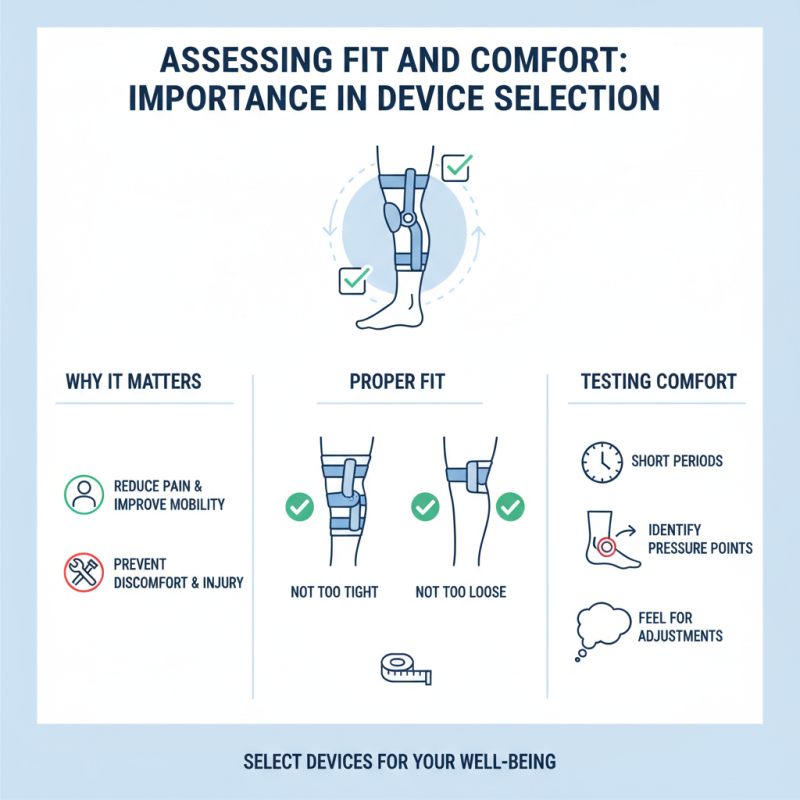
Consider pain levels and mobility issues as you evaluate options. It’s essential to think about how each device can improve your daily life. Some devices may offer stability but can hinder movement. You might find certain supports uncomfortable. This requires careful consideration and sometimes adjustments to find the right fit. Reflect on your experiences with existing devices. Were they effective? Did they exacerbate your pain? Understanding these factors plays a vital role in selecting the best orthopedic solution.
2026 How to Choose the Right Orthopedic Devices for Your Needs?
This chart illustrates key factors to consider when selecting orthopedic devices based on their importance ratings. Pain relief and mobility improvement rated the highest, highlighting their critical role in patient needs.
Evaluating Different Types of Orthopedic Devices: Pros and Cons
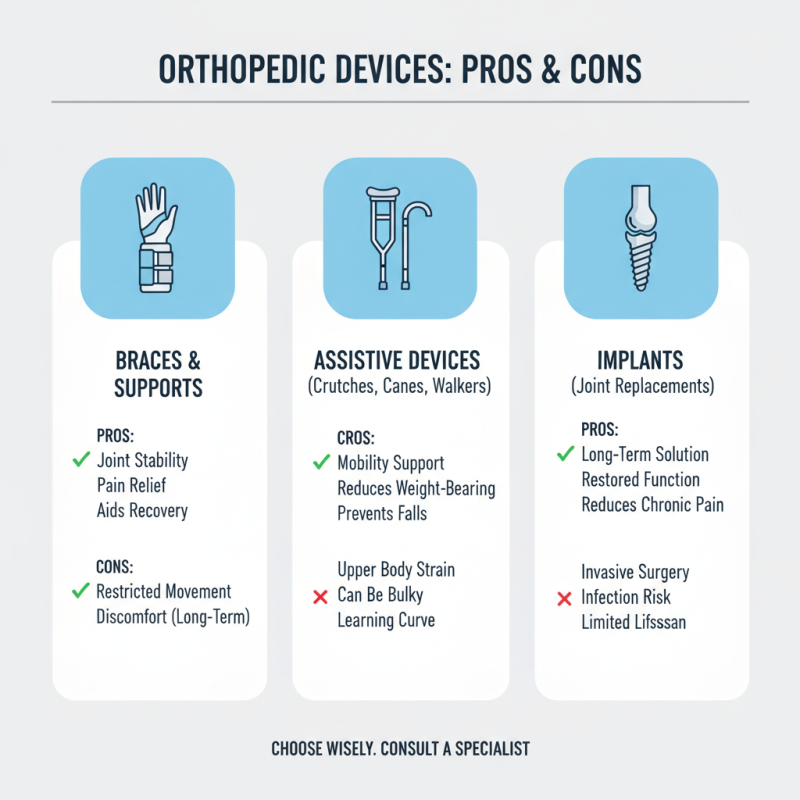
Choosing the right orthopedic device can be challenging. Various types exist, each with unique benefits and drawbacks. For instance, braces offer support for joint stability, yet may restrict movement. They can relieve pain while helping in recovery, but some users find them uncomfortable over time.
Another option is orthopedic footwear. These shoes provide cushioning and can improve posture. However, not all designs are stylish, making it tough for some to wear them daily. Custom orthotics are also available. They mold to your foot’s shape for better comfort. Yet, they often require a fitting process that may be time-consuming.
Evaluating personal needs is crucial. One must consider the specific ailment or injury. Consulting with a healthcare professional can provide guidance. It's important to weigh pros and cons carefully. What works for one person might not work for another. Balancing comfort, functionality, and style can be a complex journey.
Professional Recommendations: The Role of Orthopedic Specialists
When it comes to orthopedic devices, professional recommendations can significantly influence your choices. Orthopedic specialists have extensive training and experience. Their insights can help navigate the often-overwhelming options. According to the American Academy of Orthopaedic Surgeons, approximately 20% of adults experience chronic pain due to musculoskeletal conditions. This highlights the importance of selecting the right device tailored to individual needs.
Specialists assess various factors to recommend devices. They consider anatomical differences and age-related changes. A study published in the Journal of Orthopedic Research shows that proper device fitting can improve recovery outcomes by 30%. This underscores the necessity of professional guidance. Patients might be tempted to rely on online resources. However, self-diagnosis can lead to misguided choices. An expert can ensure that the chosen device aligns with the specific condition being treated.
While recommendations are valuable, patients should remain informed. Not every suggestion may suit individual circumstances. Engaging in discussions with specialists can clarify doubts. Transparency in communication often results in better decision-making. Ultimately, collaboration between patients and orthopedic experts is crucial for optimal device selection.
Budgeting for Orthopedic Devices: Cost vs. Quality Considerations
When considering orthopedic devices, budgeting is crucial. Many individuals face the dilemma of choosing between cost and quality. A cheaper device might save money initially. However, investing in quality often pays off over time. Durable devices reduce the need for replacements and additional expenses.
Quality orthopedic devices provide better support and comfort. They can improve mobility and reduce pain. Think about how often you'll use the device. If it’s for daily use, prioritizing quality is essential. Some might opt for lower-cost options, hoping to cut corners. This approach can lead to dissatisfaction and more significant issues later.
Assessing your specific needs also plays a role. For instance, consider the type of injury or condition. Each device serves a unique purpose. Sometimes, spending more upfront ensures long-term recovery benefits. It’s worth reflecting on your situation. Are you prepared to sacrifice comfort for savings? Quality might require a higher initial expense, but it can enhance your overall well-being.
2026 How to Choose the Right Orthopedic Devices for Your Needs? - Budgeting for Orthopedic Devices: Cost vs. Quality Considerations
| Device Type |
Average Cost ($) |
Quality Rating (1-5) |
Duration of Use (Months) |
Recommended for |
| Knee Braces |
150 |
4 |
6 |
Post-injury support |
| Ankle Supports |
50 |
3 |
12 |
Preventative care |
| Back Supports |
120 |
5 |
24 |
Chronic pain relief |
| Shoulder Supports |
80 |
4 |
12 |
Post-surgery recovery |
| Wrist Braces |
40 |
3 |
6 |
Injury recovery |