How to Choose the Right Orthopedic Surgical Instruments for Your Procedure?
Choosing the right orthopedic surgical instruments is crucial for successful procedures. Dr. Emily Johnson, a renowned orthopedic surgeon, once stated, "The right tools make all the difference in surgery." This emphasizes the importance of selecting quality instruments tailored to specific needs.
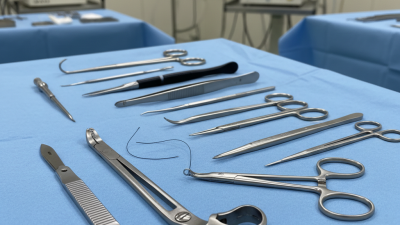
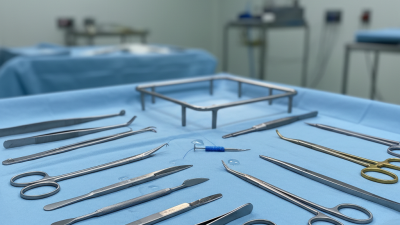
Orthopedic surgical instruments come in various shapes and sizes. Each tool has a unique function, from retractors to chisels. Knowing how to choose them can be overwhelming. It's essential to consider the specific procedure and the patient's condition. Some instruments may be more effective than others, yet not all options are perfect.
Reflection on past choices can lead to better decisions. For instance, some surgeons may realize too late that they lacked the appropriate tools. This can result in complications or longer recovery times. Understanding and assessing the available orthopedic surgical instruments can greatly enhance surgical outcomes. Proper selection is not just about being equipped; it's about patient safety and recovery.
Understanding the Types of Orthopedic Surgical Instruments Available
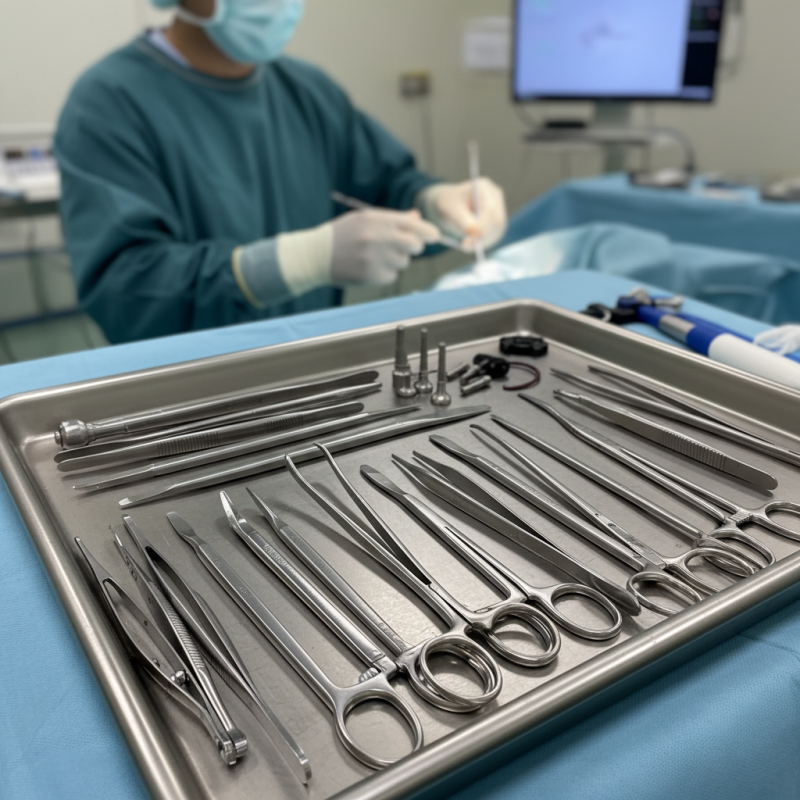
When selecting orthopedic surgical instruments, understanding the various types is crucial. Surgical instruments are tailored for specific procedures. For example, bone saws are designed to cut through dense bone. Meanwhile, retractors hold back tissues, providing a clear view of the operating site. Each instrument plays a vital role, impacting the surgery's success.
Some instruments are more versatile than others. For instance, a good set of forceps can grasp various tissues effectively. However, not all forceps are suitable for every situation. Choosing the wrong type can lead to complications. Surgeons often reflect on past experiences with instruments. Sometimes, specific tools may fail under pressure or in tight spaces. This highlights the importance of hands-on familiarity with each instrument.
Additionally, maintenance of the instruments is essential. Instruments must be sterilized properly to avoid infections. A common issue arises when sterilization fails. This can compromise patient safety. Surgeons need to stay updated on instrument advancements. This allows them to choose the best options for their unique needs. Understanding the specific features and limitations of each type is an ongoing process.
Evaluating Instrument Quality: Key Factors and Industry Standards
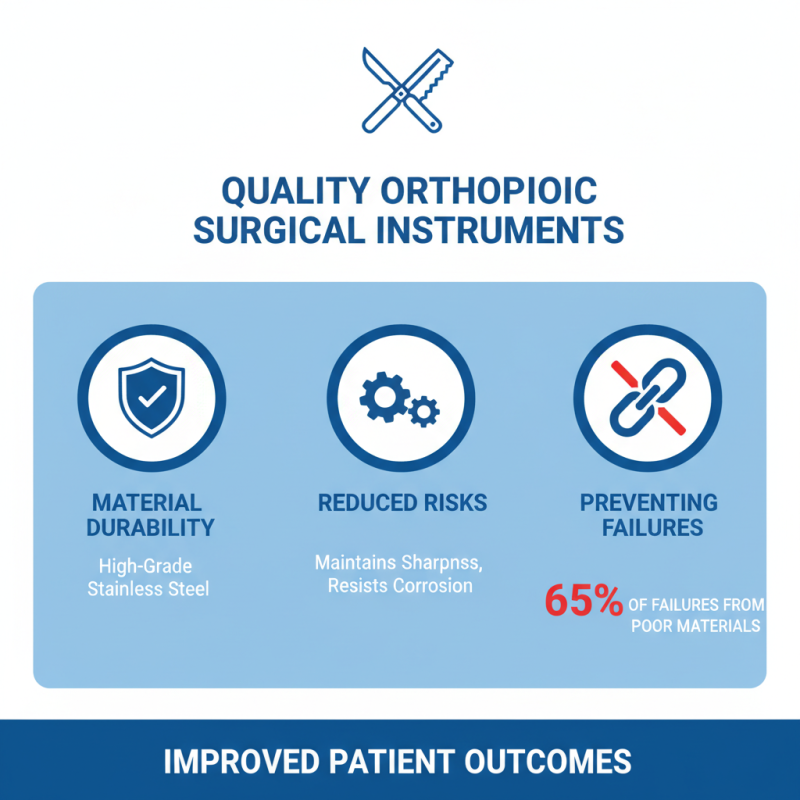
When selecting orthopedic surgical instruments, quality is paramount. Evaluating instrument quality involves assessing several key factors. Material durability is crucial. Instruments made from high-grade stainless steel maintain sharpness and resist corrosion. According to industry reports, 65% of instrument failures arise from poor materials. These failures can lead to extended surgeries and increased patient risk.
Moreover, precision manufacturing standards cannot be overlooked. Instruments must adhere to ISO norms. These standards ensure consistency in performance and safety. A recent study highlighted that 75% of operating room errors stem from instrument malfunction. Regular inspections of instruments are vital. Many hospitals now implement rigorous protocols to evaluate wear and tear, prioritizing patient safety.
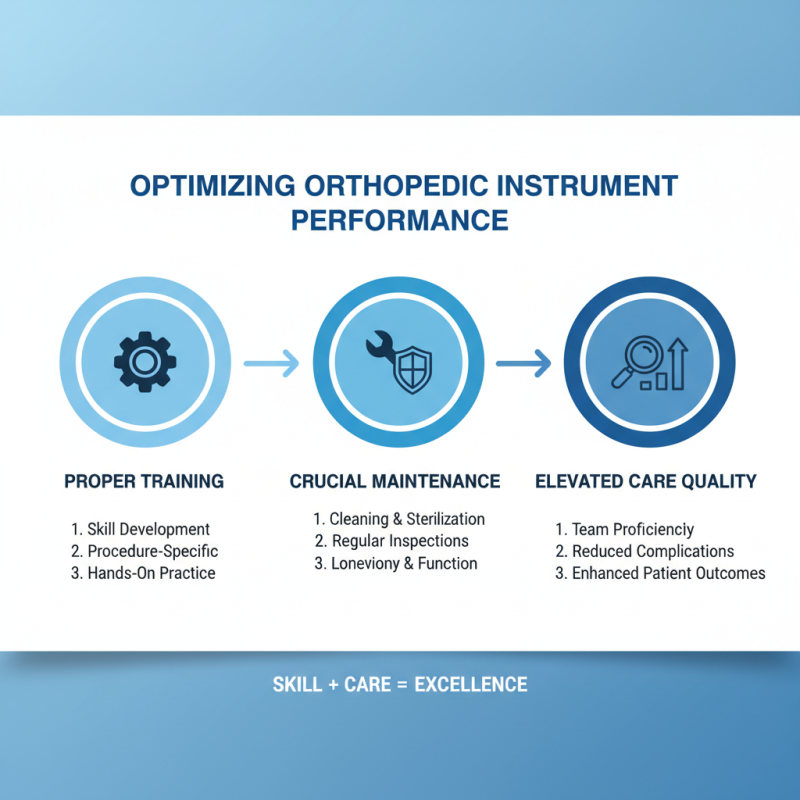
Training of staff plays a role too. Even high-quality instruments require skilled hands. Lack of training can undermine the instruments’ potential. Continuous education programs are essential, as they help improve surgical outcomes. Reflecting on these aspects is crucial. The right surgical instruments can make or break a procedure. Each choice must be informed and thoughtful.
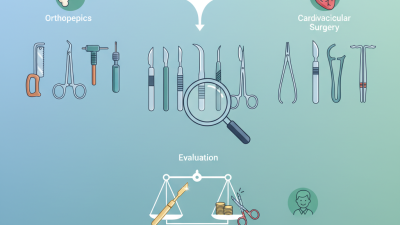
Assessing Instrument Compatibility with Specific Surgical Procedures
When selecting orthopedic surgical instruments, compatibility is crucial. Each procedure requires specific tools that match anatomical needs. For instance, a joint replacement surgery demands instruments designed for precision. The type of implant used can influence the choice of instruments. Surgeons must evaluate their familiarity with each tool, considering their past experiences. A mismatch can lead to complications, impacting patient outcomes.
It's also essential to consider the surgical technique. Open surgeries may need different instruments than minimally invasive approaches. For example, retractors and access tools play a significant role in visibility and space. An inexperienced team might struggle with the wrong instruments in high-stakes settings. Knowing the instruments well can save time and reduce errors.
Finally, review past surgeries. Reflect on what worked and what didn’t. Each procedure provides insights. Discussing cases with colleagues can highlight instrument limitations. Even the most seasoned surgeons can find areas for improvement. Constant evaluation of instrument performance can lead to better surgical results.
Instrument Compatibility with Surgical Procedures
Cost-Benefit Analysis: Investing in Orthopedic Instrumentation
Investing in the right orthopedic surgical instruments can be a significant decision for healthcare facilities. While some instruments come at a premium price, the return on investment can be substantial. Research shows that hospitals can save up to 20% in operational costs by choosing high-quality, durable instruments. These savings often offset the initial purchasing costs over time.
However, purchasing cheaper instruments may seem tempting. The upfront cost is lower, but they tend to require more frequent replacements. According to a recent industry report, using lower-quality instruments can lead to increased complication rates, resulting in higher overall costs. A single surgical complication can cost a facility thousands of dollars in additional care and extended hospital stays.
Tips: Always assess the lifecycle cost of instruments. Consider factors such as durability, maintenance, and replacement frequency. Ensure that your choices align with the long-term goals of your practice. Educate your staff on the importance of instrument quality. Their experience can prevent costly errors in the OR. Investing wisely today leads to better patient outcomes tomorrow.
How to Choose the Right Orthopedic Surgical Instruments for Your Procedure? - Cost-Benefit Analysis: Investing in Orthopedic Instrumentation
| Instrument Type |
Typical Cost |
Usage |
Durability |
Maintenance |
Cost-Benefit Ratio |
| Scalpel |
$150 |
Incision |
High |
Low |
Excellent |
| Forceps |
$100 |
Tissue Handling |
Medium |
Medium |
Good |
| Bone Saw |
$1200 |
Bone Cutting |
Very High |
High |
Fair |
| Retractor |
$300 |
Wound Exposure |
High |
Low |
Excellent |
| Surgical Drill |
$2500 |
Drilling |
Very High |
High |
Moderate |