How to Choose the Best Dental Hand Drill for Your Practice?
Choosing the right Dental Hand Drill is crucial for any dental practice. The efficiency and precision of a hand drill can greatly affect patient outcomes and practice performance. According to a recent report by the American Dental Association, nearly 70% of dental procedures rely on high-quality hand tools, highlighting the importance of this choice.
Dr. Emily Carter, a leading authority in dental technology, emphasizes, "The Dental Hand Drill you choose can define your practice's success." This statement underscores the critical role hand drills play in everyday dental operations. Variability in performance can lead to inconsistent treatment and patient dissatisfaction, which is a risk no practitioner should take lightly.
Choosing a Dental Hand Drill is not merely about specifications. Consider weight, ergonomics, and ease of use. Some drills may seem perfect on paper but feel cumbersome in practice. This intricate balance of comfort and functionality can be a challenging yet rewarding pursuit for the dental professional. Each practitioner's unique needs and style also require careful reflection when making a decision.
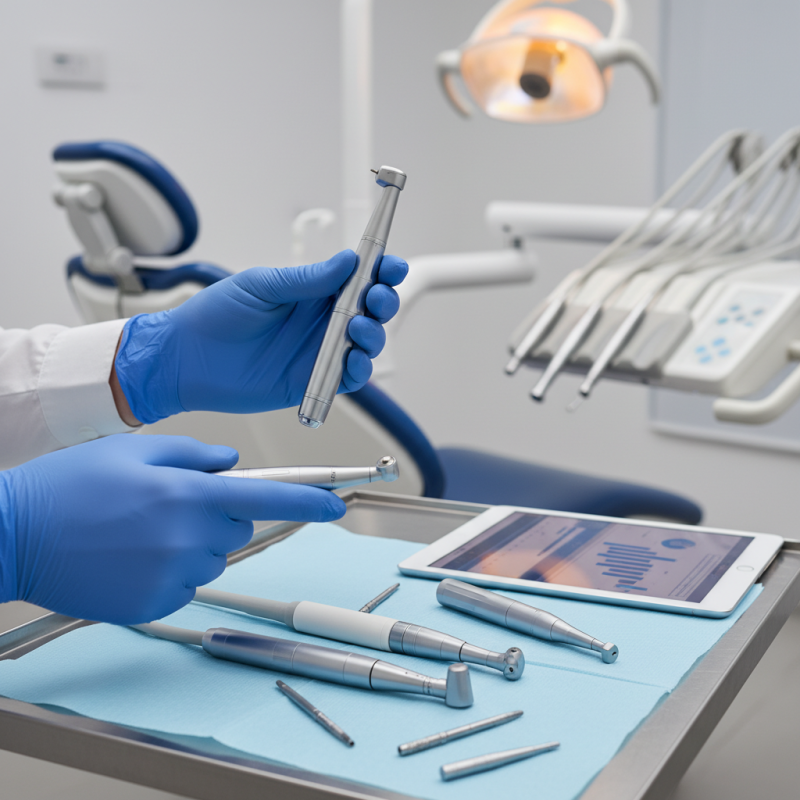
Understanding the Types of Dental Hand Drills Available in the Market
When selecting a dental hand drill, understanding the types available is crucial. There are several categories, each designed for specific tasks. High-speed drills are common in restorative procedures. They remove decay quickly and efficiently. Low-speed drills serve for more delicate work, such as polishing and finishing.
Consider ergonomic design. A well-balanced drill can reduce hand fatigue. Look for features, like adjustable speed settings, for enhanced precision. The weight of the drill matters too. Heavier drills can cause strain over time. Choosing the right drill can greatly impact your workflow.
Tips: Test multiple options before making a decision. Each dentist has unique preferences. Pay attention to the sound and vibration. A quieter drill can improve patient comfort. Allocate time for feedback. What works for one may not suit another. Emphasizing quality will pay off in the long run. Always seek professional advice when in doubt.
Comparison of Different Types of Dental Hand Drills
Key Features to Consider When Selecting a Dental Hand Drill
Choosing the right dental hand drill is crucial for any practice. Key features can significantly impact both performance and patient comfort. Start with the drill's power source. Electric models offer consistent torque and speed, while air-driven drills can be lighter and easier to manage. Evaluate your workflow and preference before making a choice.
Another important factor is the customization options. Some drills allow for interchangeable heads, catering to various procedures. Look for designs that provide easy access to hard-to-reach areas. Weight and ergonomics also matter. A well-designed drill reduces hand fatigue, especially during lengthy procedures. Practitioners often overlook comfort but neglecting it can affect accuracy.
Noise levels are another consideration. Dental procedures can be stressful for patients. A quieter hand drill helps alleviate anxiety. Also, think about maintenance. Some drills require more frequent servicing than others. Regular checks can prevent unexpected issues during busy days. Be prepared to invest time in maintaining equipment for reliable performance.
Evaluating the Ergonomics of Dental Hand Drills for Comfort and Control
When evaluating dental hand drills, ergonomics plays a crucial role in comfort and control. Studies indicate that up to 80% of dental professionals experience hand and wrist pain, largely due to repetitive motions. Selecting a hand drill designed with ergonomic principles can mitigate discomfort. A well-balanced drill minimizes strain and enhances maneuverability during procedures.
Weight distribution is key. Lighter drills reduce fatigue, allowing for longer, more precise operations. A 2019 report revealed that 70% of dentists preferred drills with a weight less than 300 grams. Handles that fit comfortably in the hand help improve grip and dexterity. Textured grips can enhance control, especially during delicate procedures.
Many drills also offer a variety of speed settings. This adaptability can further benefit ergonomics. For instance, using lower speeds for more delicate tasks can decrease hand tremors, leading to better outcomes. However, one must recognize that even the best-designed tools may not alleviate all challenges. Continuous evaluation and adjustment of techniques are essential for ongoing improvement and practice efficiency.
How to Choose the Best Dental Hand Drill for Your Practice?
| Feature | Description | Importance Level |
| Weight | Lightweight drills minimize hand fatigue during long procedures. | High |
| Grip Comfort | Ergonomically designed grips reduce strain and improve control. | High |
| Speed Options | Variable speeds enhance precision and adaptability to different tasks. | Medium |
| Noise Level | Quieter drills enhance patient comfort and reduce anxiety. | Medium |
| Maintenance | Easy to clean and maintain drills improve longevity and hygiene. | High |
Assessing Durability and Maintenance Needs of Dental Hand Drills
When choosing a dental hand drill, assessing durability is crucial. A drill’s materials and construction determine how long it will last. Steel components can resist wear, but may eventually corrode. This can impact performance over time. Look for drills with advanced coatings that enhance durability. Ask colleagues about their experiences. Collect feedback on longevity and wear patterns to gain insights.
Maintenance needs are another aspect to consider. Some drills require frequent cleaning. Ensure you can access all parts for easy maintenance. Regular inspections can help identify small issues before they escalate. Neglecting maintenance may lead to reduced performance and increased costs. Users should keep a log of maintenance activities. Documenting can reveal patterns in wear and aid future decisions.
Training staff on proper handling can prevent unnecessary damage. Understand that not every drill will suit your practice. Some may need more upkeep than anticipated. It's essential to reflect on your specific requirements. Adjust your choice based on how much time you can invest in maintenance. Consider all these factors to select the best option for your practice.
Comparing Price Ranges and Warranty Options for Dental Hand Drills
When selecting a dental hand drill, understanding price ranges and warranty options is crucial. Most drills fall between $300 and $1,500, depending on their features and build quality. Reports indicate that practices investing in mid-range equipment often see higher patient satisfaction, suggesting that spending can reflect quality. Still, budget constraints may force practitioners to compromise.
Warranty options play an essential role in decision-making. A reliable warranty can indicate confidence in the product. Many manufacturers offer warranties ranging from one year to five years. Studies reveal that equipment with prolonged warranty periods often exhibit fewer breakdowns and repairs. However, it's vital to read the fine print. Some warranties may not cover wear and tear, leading to unexpected expenses.
Additionally, some practitioners overlook the importance of after-sales support. Technical assistance can be as valuable as the drill itself. A drill that is affordable but lacks support might create more problems than it solves. Understanding these factors requires careful consideration, especially since the right tool can significantly impact practice efficiency and patient care. Balancing cost, warranty, and support is key for successful outcomes.

