How to Choose the Best PCR Instrument for Your Lab Needs?
Choosing the right PCR instrument is crucial for any laboratory. The correct equipment can significantly impact your research outcomes. PCR instruments vary in features, sensitivity, and efficiency. Understanding these differences helps ensure optimal performance in your research.
When selecting a PCR instrument, consider the specific needs of your experiments. Are you working with a particular type of sample? Do you require high throughput or fast turnaround times? Moreover, ease of use and maintenance play a significant role in decision-making. Getting hands-on experience or seeking expert opinions can also be beneficial.
It's important to acknowledge that no single instrument fits all laboratory needs perfectly. Each lab has unique requirements, and what works for one may not suit another. Reflecting on past choices can guide you in making a more informed decision. Take the time to evaluate product reviews and compare features thoroughly. Your choice of PCR instrument can define your lab's success.
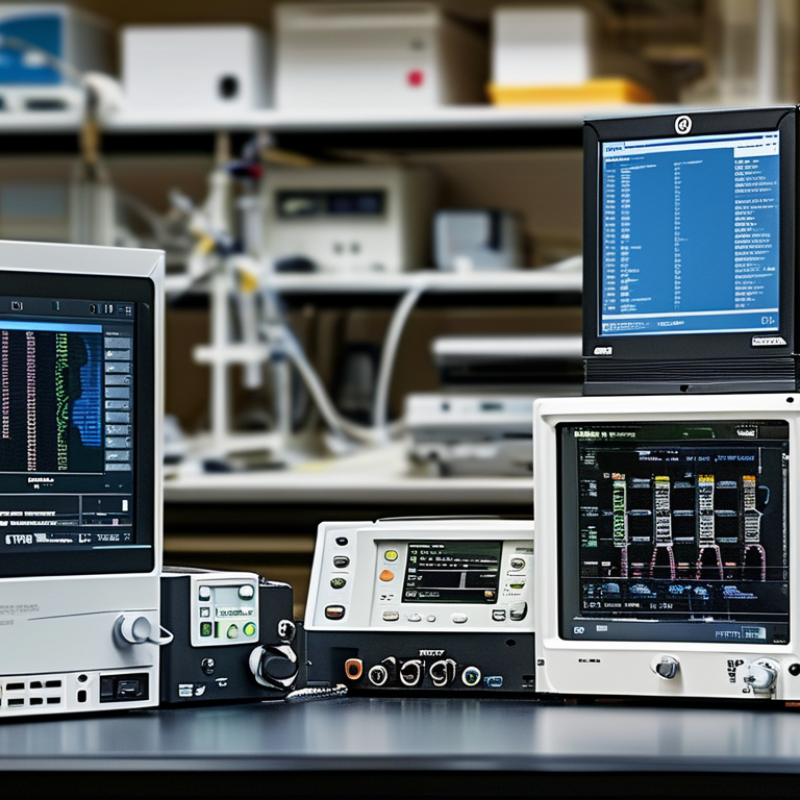
Understanding the Basics of PCR Technology and Instruments
Polymerase Chain Reaction (PCR) technology revolutionized molecular biology. This technique allows for the amplification of small DNA segments, making it essential for diagnostics and research. The market for PCR instruments is projected to reach $5.9 billion by 2025, according to a recent report by MarketsandMarkets. Understanding the basics of PCR instruments is crucial for laboratories aiming to select the right equipment.
PCR instruments come in various types, including standard thermal cyclers, real-time PCR machines, and digital PCR systems. Each type has distinct features and advantages. For instance, real-time PCR allows researchers to monitor the amplification process in real-time, enhancing quantitative analysis. According to a study published in the Journal of Molecular Diagnostics, real-time PCR offers higher precision in quantifying gene expression levels. However, these more sophisticated systems often come at a higher cost and may not be essential for all applications.
Choosing the best PCR instrument also requires understanding thermal cycling parameters. These parameters significantly influence reaction efficiency and specificity. Some instruments feature user-friendly interfaces and advanced data analysis tools, but they may lack the flexibility needed for unique experimental designs. Laboratories should assess their specific needs carefully. Analyzing workflow, sample types, and budget will ultimately dictate which PCR instrument provides the best fit for their unique application.
Evaluating the Key Features of PCR Machines for Laboratory Use
When selecting a PCR instrument for laboratory use, understanding key features is crucial. Instruments vary in essential specifications like speed, accuracy, and ease of use. A survey conducted by the American Society for Microbiology indicates that 73% of labs prioritize thermal accuracy. This characteristic ensures that processes are reliable and reproducible, which is vital in research and diagnostics.
Another significant feature is the capacity of the machine. High-throughput labs might require instruments that can handle multiple samples simultaneously. According to a report by the National Institutes of Health, efficiency can increase by over 40% when using a multi-block thermal cycler. Additionally, user-friendly interfaces enhance workflow. Laboratories often encounter challenges with complex software, which can lead to user errors. Ease of operation should not be overlooked.
Consider the flexibility of the PCR machine. It should support various applications, including quantitative PCR. A report from the Journal of Clinical Microbiology highlights that instruments with adaptable configurations are more likely to meet evolving lab demands. What works today may not suffice tomorrow. Regularly assessing these features can help labs adapt and thrive in a constantly changing environment.
How to Choose the Best PCR Instrument for Your Lab Needs?
| Feature | Description | Importance | Recommendation Level |
| Temperature Precision | The accuracy of temperature control in the PCR cycle. | High | Essential for accurate results |
| Sample Capacity | Number of samples that can be run simultaneously. | Medium | Consider if high throughput is needed |
| User Interface | Ease of use and navigation of the system. | High | Important for lab efficiency |
| Heating/Cooling Rate | Speed at which the machine can change temperatures. | Medium | Affects cycle times |
| Advanced Features | Like real-time PCR capabilities. | High | If quantitative results are needed |
| Size and Portability | Physical dimensions and weight of the machine. | Low | Consider for limited space labs |
Comparing Different Types of PCR Instruments: Conventional vs. Real-Time
When selecting a PCR instrument, understanding the differences between conventional and real-time PCR is crucial. Conventional PCR relies on endpoint analysis. Researchers often use gel electrophoresis to visualize results. This method can be less sensitive and slower. A study indicates that conventional PCR may produce quantification errors of up to 30%. This is significant for researchers needing precision.
Real-time PCR, or qPCR, offers quantification in real-time using fluorescent dyes. The advantages are numerous. It provides sensitive and specific results. According to industry data, 85% of laboratories now prefer real-time PCR for its reliability. However, real-time PCR equipment can be more expensive. Some labs may find this cost prohibitive. Trade-offs exist between budget and necessary functionality.
Selecting between these methods depends on specific laboratory needs. Consider throughput, budget constraints, and required data quality. Understanding the limitations and benefits of each technique will help inform your decision. Investing in the right technology is vital for advancing research outcomes and ensuring reliability in your findings.
Assessing Budget Considerations for Purchasing PCR Equipment
Budgeting for PCR equipment is crucial for any lab. As reported by the Global PCR Market Analysis, the average cost of a high-quality PCR machine ranges from $10,000 to $50,000. This range can significantly impact a lab's financial health. Before purchasing, consider your lab's specific needs and the volume of samples processed daily. A more expensive model may seem appealing but may not suit a lab with lower throughput.
Evaluate the total cost of ownership, which includes maintenance and consumables. Many labs overlook these ongoing expenses. According to industry data, annual maintenance can account for nearly 15% of the initial cost of the instrument. Therefore, selecting a model with robust support services can save money in the long run.
When preparing your budget, factor in possible unexpected costs. Always allocate funds for emergencies or upgrades, as technology evolves rapidly. Engaging with peers and industry experts might reveal insights that shift your budget priorities. Use online forums and group discussions to gather opinions on equipment reliability and support. Reflect on these insights to align your investments with practical lab demands.
Identifying Manufacturer Reputation and Support for PCR Instruments
When evaluating PCR instruments, manufacturer reputation and support are critical. A well-known industry report indicates that 75% of laboratories prioritize support services when acquiring new equipment. This highlight shows the importance of selecting a manufacturer with a solid reputation for customer service. A manufacturer with a proven track record is more likely to provide timely assistance, ensuring minimal downtime for research projects.
It's essential to assess reviews and testimonials about the manufacturer. Independent studies reveal that laboratories that maintain ongoing relationships with suppliers report higher satisfaction rates. Consider the availability of technical support and training. A supportive manufacturer enhances the user experience, particularly for labs adopting new technologies. Without adequate support, users often face frustrations. A recent survey noted that 40% of laboratory personnel struggled with equipment functionalities without proper assistance.
Additionally, consider the manufacturer’s commitment to innovation. Laboratories benefit from instruments that adhere to the latest standards and incorporate advanced features. Research has shown that instruments offering regular software updates improve overall performance and adaptability. While accessing high-quality PCR instruments is crucial, the level of manufacturer support can significantly impact your laboratory's success and efficiency.

