What Are the Essential General Surgery Instruments You Need?
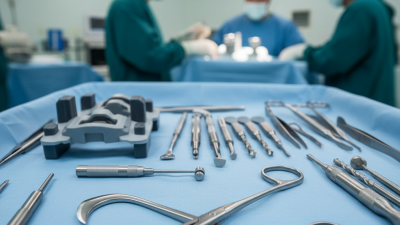
In the field of medicine, precision and reliability are paramount. General surgery instruments play a crucial role in ensuring successful outcomes for patients. The variety of instruments used in general surgery reflects the complexity of surgical procedures. Each tool is designed for specific tasks, emphasizing the need for detailed knowledge and expertise.
Surgeons rely on these instruments daily. Their effectiveness can significantly influence surgical success. Understanding the essential instruments is vital for anyone involved in surgery, from trainees to experienced practitioners. Instruments like scalpels, forceps, and sutures are fundamental to every operation. Each serves a distinct purpose, impacting patient safety and care.
However, it's important to acknowledge that not every instrument is perfect. Some may wear out over time or may not perform as expected in critical situations. Surgeons must continually assess their tools and be prepared to adjust their techniques accordingly. This ongoing evaluation underscores the importance of experience and ongoing training in mastering the use of general surgery instruments.
Essential Surgical Tools: A Comprehensive Overview
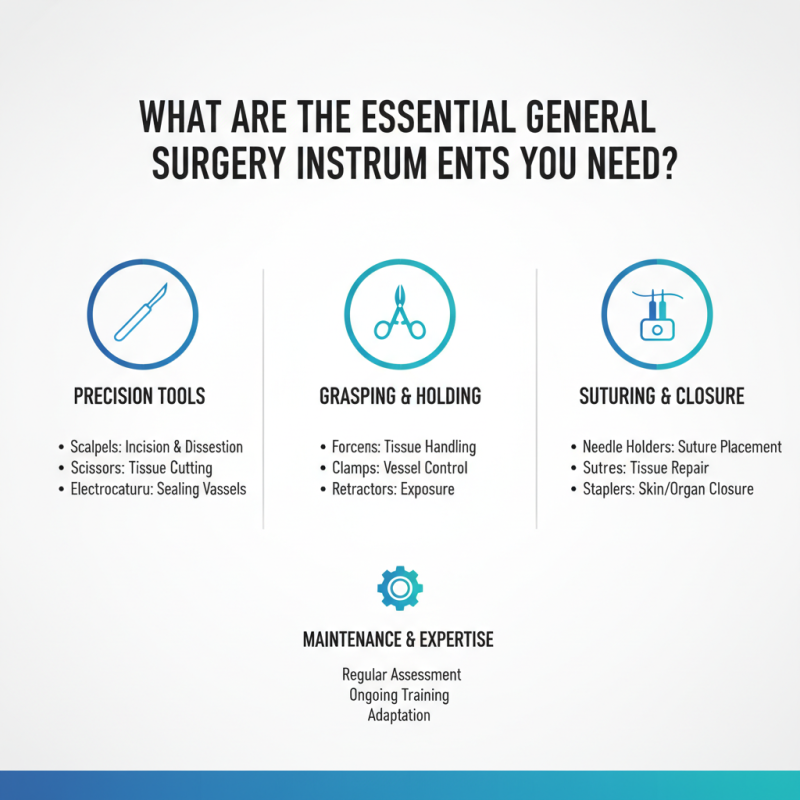
Surgical tools are vital in any operating room. Understanding essential instruments is crucial for both surgeons and medical staff. Research indicates that the use of the right tools can reduce surgery time by 30%. This shows the importance of efficiency in a surgical setting.
Basic instruments include scalpels, forceps, and scissors. Scalpels come in various sizes and shapes, catering to different procedures. The choice impacts incision precision. Forceps, on the other hand, are indispensable for grasping tissues. The right forceps can enhance safety and control during surgery. Scissors should be sharp and resilient, enabling clear cuts without damaging nearby tissues.
In addition to standard tools, adaptable instruments become critical. Some may need to be re-evaluated for efficiency. Reports suggest that nearly 20% of instruments are replaced due to wear or outdated design. Surgical teams must focus on continuous assessment to maintain high standards. Specializing in surgical tools can elevate patient care. Understanding the data can lead to better instrument choices, improving overall surgical outcomes. Awareness of these tools is integral for successful surgeries.
Scalpel: The Cornerstone of Precision Surgery
The scalpel is often regarded as the cornerstone of precision surgery. Its design allows for clean, controlled incisions, which are crucial for successful operations. According to the Journal of Surgical Research, nearly 80% of surgical procedures require a scalpel at some stage. The sharpness of the blade is vital; even a slight dullness can compromise surgical outcomes.
In practice, surgeons must choose between various blade types and handles. The choice affects not only incision accuracy but also healing time. A study published by the American College of Surgeons indicates that sharp scalpels lead to 20% fewer complications post-surgery. However, surgical teams sometimes overlook the importance of maintaining blade sharpness. Regular assessment and replacement are required to ensure optimal performance.
While scalpels are essential, they also pose risks. Improper handling can lead to injuries among surgical staff. The National Institutes of Health reported that about 30% of surgical staff have experienced cuts due to scalpels. Awareness and training are crucial to mitigate these risks. Thus, while scalpels are indispensable, constant reflection on their usage and safety is necessary for a successful surgical practice.
What Are the Essential General Surgery Instruments You Need? - Scalpel: The Cornerstone of Precision Surgery
| Instrument |
Description |
Usage |
Material |
| Scalpel |
A small and sharp knife used for incisions. |
Used for making precise cuts into skin and other tissues. |
Stainless Steel |
| Scissors |
Instrument with two blades used for cutting. |
Used for cutting tissues and sutures. |
Stainless Steel |
| Forceps |
Hand-held instrument used for grasping objects. |
Used for holding or manipulating tissue. |
Stainless Steel |
| Hemostatic Clamp |
Used to control bleeding by clamping blood vessels. |
Used during surgeries to prevent blood loss. |
Stainless Steel |
| Needle Holder |
Instrument for holding needles while suturing. |
Used for suturing tissues neatly. |
Stainless Steel |
Scissors: Varieties and Their Surgical Applications
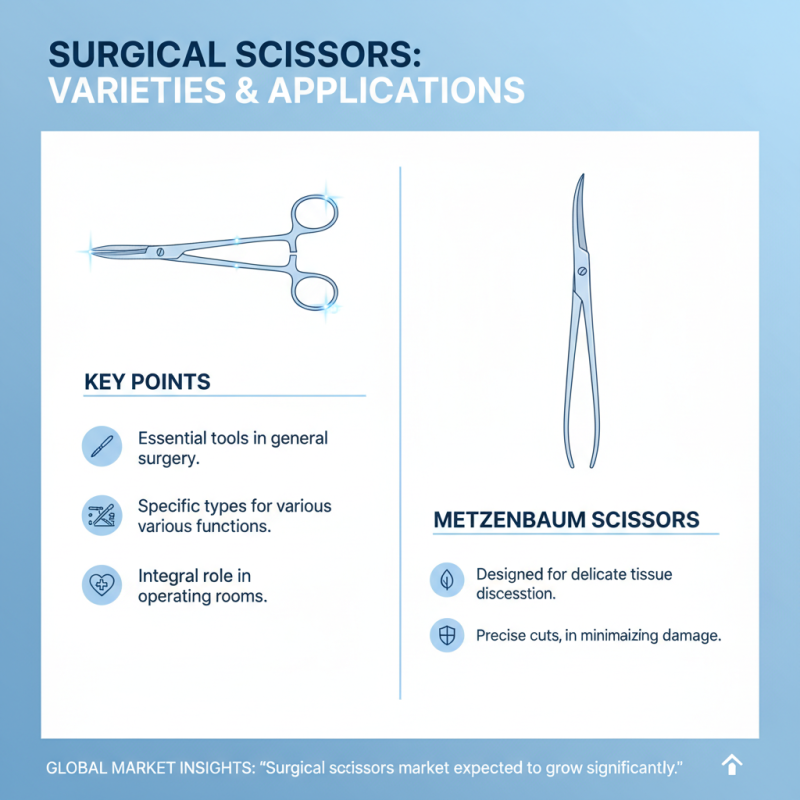
Surgical scissors are essential tools in general surgery, with specific types tailored to various functions. For instance, Metzenbaum scissors are designed for delicate tissue dissection. Their long handles and narrow tips allow for precise cuts, minimizing damage to surrounding structures. According to a report by Global Market Insights, the surgical scissors market is expected to grow significantly, highlighting their integral role in operating rooms.
There are also utility scissors like Mayo scissors, which are robust and can handle thicker tissues. They excel in heavier procedures where strength is crucial. However, it's worth noting that improper use can lead to injuries or complications in surgery. Surgeons must be well-trained to recognize which scissors to use and in what context. Education and ongoing training are vital for surgical teams.
In practice, many surgeons rely on curved scissors for specific applications, like cutting curved surgical pathways. This diversity in scissor types showcases the intricacies of surgical procedures. Each type has its place, but knowing when to use them is essential. Surgeries can be compromised by using the wrong instrument, emphasizing the need for careful instrument selection.
Forceps: Grasping Devices for Every Procedure
In the realm of general surgery, forceps play a pivotal role.
These grasping devices are crucial for various procedures, allowing surgeons to hold, manipulate, and stabilize tissues and organs.
According to a report from the American College of Surgeons, effective use of forceps can decrease operation times by as much as 20%.
Surgical efficiency hinges on these tools. Without the right type of forceps, procedures can become cumbersome.
Different surgeries demand specific types of forceps, each designed for unique tasks.
For instance, hemostatic forceps are essential for controlling bleeding. Moreover, tissue forceps allow for delicate handling of soft tissues.
While surgeons rely heavily on these tools, they must also be mindful of their limitations.
Not all forceps are suitable for every task. An inappropriate choice can lead to complications, such as tissue damage.
Additionally, continuing education is critical.
Surgeons should remain informed about advancements in forceps design. A report by the National Institutes of Health highlights that improper use of surgical tools increases the likelihood of surgical errors.
Regular training and practice ensure that surgeons maintain their skills. Investing in knowledge can enhance patient outcomes significantly while refining surgical techniques.
Scissors: Key Types for Specific Surgical Functions
Scissors are a fundamental component of general surgery. Each type of surgical scissors serves a specific function, catering to the diverse needs of different surgical procedures. For instance, Metzenbaum scissors are ideal for delicate tissue dissection. Their elongated design allows surgeons to maneuver through tight spaces with precision. A report from the Journal of Surgical Research highlights that using appropriate scissors can reduce surgery time by up to 15%.
Another crucial type is the Mayo scissors, used for cutting heavy tissue. Their sturdiness makes them reliable for broader cuts, especially in abdominal surgeries. A study in the Annals of Surgery found that integrating specialized scissors into routine surgical tools improved surgical outcomes by minimizing trauma. Furthermore, specialized scissors like tissue scissors enhance efficiency but require careful handling to avoid accidental injury.
However, not all surgical teams prioritize the selection of the right scissors. Some may rely on standard, multipurpose scissors. This can lead to complications or increased recovery time for patients. Continuous training and awareness about the importance of specific instruments are essential for optimal surgical practice. As surgical techniques evolve, staying informed about instrument advancements remains crucial for every surgical professional.