Top 10 Essential Orthopedic Surgery Tools You Need to Know?
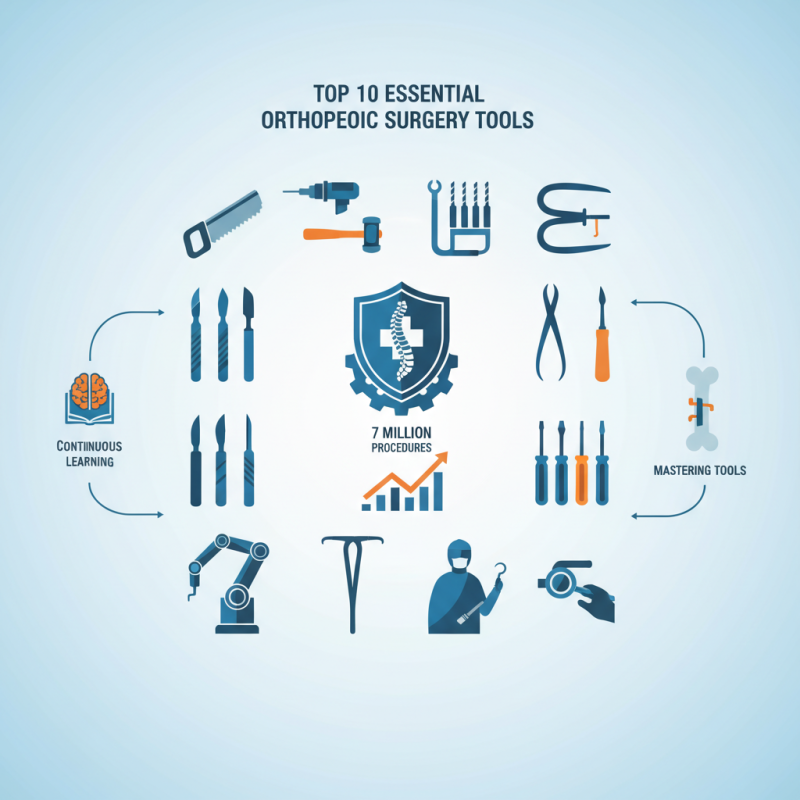
Orthopedic surgery tools are crucial for successful surgical procedures. The right instruments ensure precision and reduce complications. In the United States alone, orthopedic surgery cases have surged, with around 7 million procedures performed annually, as reported by the American Academy of Orthopaedic Surgeons.
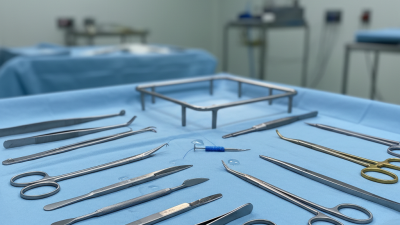
These tools range from basic hand instruments to advanced surgical devices. For example, a surgical hammer is fundamental, yet essential for bone manipulation. However, even advanced technology presents challenges. The latest robotic-assisted systems improve accuracy but require significant training. Without proper understanding, surgeons may face obstacles in utilizing these innovative tools.
Moreover, many orthopedic surgeons emphasize the need for continuous learning. As the field evolves, tools become more complex. An underinvestment in training can lead to errors, impacting patient outcomes. The balance between adopting new tools and mastering traditional ones is essential for effective orthopedic practice. The effectiveness of orthopedic surgery relies heavily on the tools used and the knowledge of those who wield them.
Understanding the Role of Orthopedic Surgery Tools in Patient Care
Orthopedic surgery tools play a crucial role in patient care. They directly impact surgical outcomes and recovery times. A study published in the Journal of Orthopedic Research highlights that the right instruments can reduce surgery time by 20%. This efficiency benefits both patients and healthcare systems.
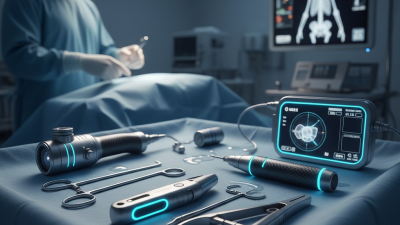
Essential tools include scalpels, forceps, and drills. Each serves a unique purpose and requires precise handling. For instance, improper use of a scalpel can lead to complications. Recent data from orthopedic surgeries show that about 15% of surgical complications relate to instrument mishandling. Adopting proper techniques is vital, yet many professionals still struggle with consistent instrument usage.
Training and experience are key factors. A 2022 report stated that new surgeons experience longer operation times due to inexperience. These factors influence patient recovery. Patients often feel anxious about delays and complications. Effective communication about these tools can enhance patient trust. Understanding the role of these instruments in surgeries may alleviate concerns regarding procedures.
Essential Surgical Instruments Used in Orthopedic Procedures
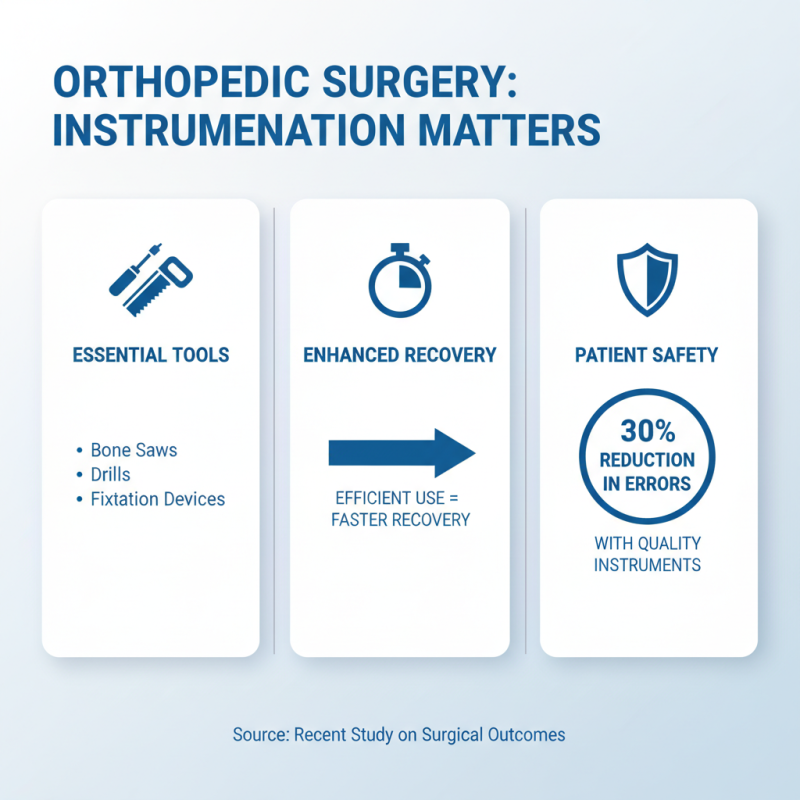
In orthopedic surgery, specific instruments are essential for successful outcomes. Surgeons rely heavily on tools like bone saws, drills, and fixation devices. A recent study highlighted that efficient use of surgical instruments enhances recovery times. Proper tool selection increases patient safety significantly, with reports indicating a 30% reduction in surgical errors when using quality instruments.
Surgical procedures often require delicate handling. Surgical scalpels, retractors, and forceps play a pivotal role. The precision of a scalpel can influence overall success. Additionally, the use of operative implants has surged, linking to a 25% increase in positive patient outcomes. However, the constant evolution of these tools can be overwhelming. Surgeons need ongoing training to keep up with innovations.
Despite advancements, challenges remain. For instance, maintaining sterility is critical. Contaminated instruments can lead to infections, complicating recovery. Research indicates that up to 20% of postoperative infections result from equipment mishandling. Continuous learning and strict adherence to protocols are necessary to address these issues. Surgical instrument selection should be deliberate and informed, balancing innovation with established practices.
Innovative Technology in Orthopedic Surgery: A Focus on Tools
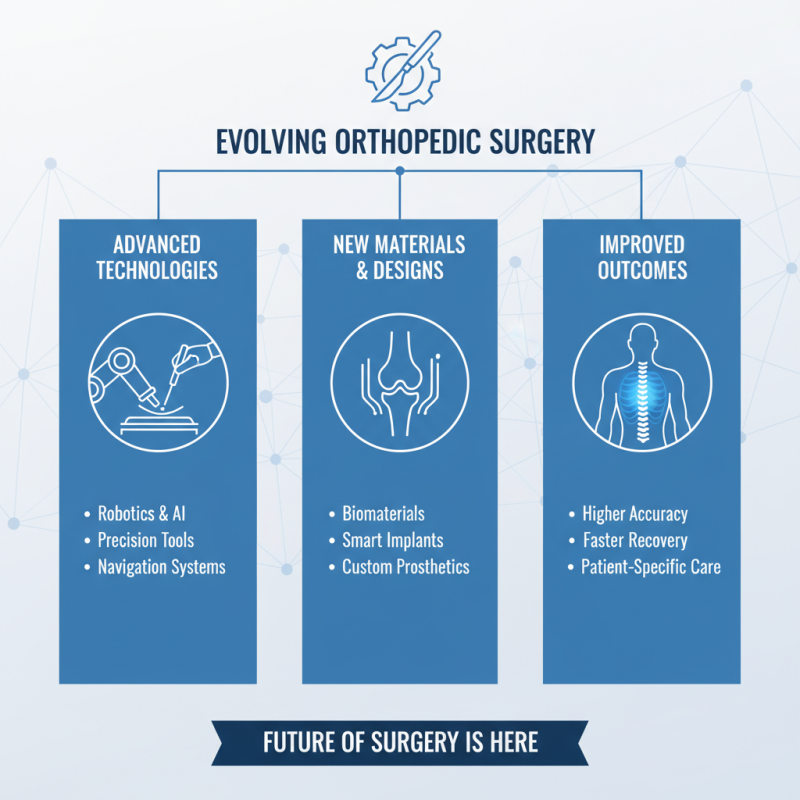
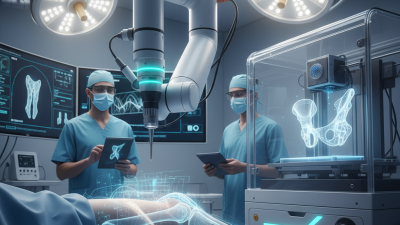
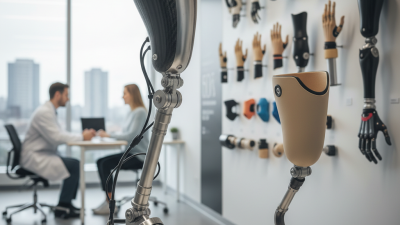
Innovative technology is transforming orthopedic surgery. Surgeons now rely on advanced tools to improve precision and outcomes. Robotics and 3D printing are leading this change. These tools help in creating custom implants tailored to individual patients.
Tips for choosing the right tools include understanding your specific needs. Not every tool suits every procedure. Be aware of the learning curve associated with new devices. Sometimes, familiar tools yield better results.
Training on innovative equipment is vital. It can make a significant difference in surgical outcomes. Always seek hands-on practice before using new technologies in surgery. Remember, the goal is to enhance patient care while maintaining safety. Embracing technology is exciting but requires caution and reflection.
Maintenance and Sterilization of Orthopedic Surgical Instruments
When it comes to orthopedic surgery, maintaining and sterilizing instruments is critical. Research shows that about 5% of surgical site infections are linked to improper sterilization. Tools must be meticulously cleaned after each use to prevent contamination. Regular inspections help identify wear and tear. At least 30% of surgical instruments may harbor harmful bacteria if not properly sterilized.
Effective sterilization methods include steam sterilization and ethylene oxide gas. A study indicated that steam sterilization eliminates 99.99% of bacteria. However, not all instruments can withstand high temperatures. That's where alternative methods play a role. Staff training on these techniques is crucial. Inadequate training contributes to about 20% of medical errors in surgical settings.
Tracking instrument quality presents its challenges. Delayed maintenance can lead to instrument malfunction during procedures. Some reports highlight that nearly 15% of surgeries face delays due to faulty tools. Regular audits and proactive maintenance can minimize risks. Orthopedic surgeries demand precision, and the tools must be ready to meet that expectation.