Top Surgical Tools You Should Know About?
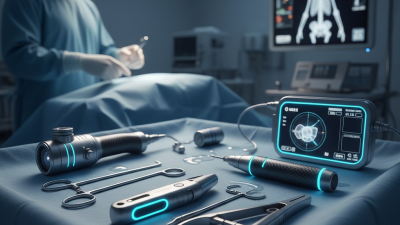
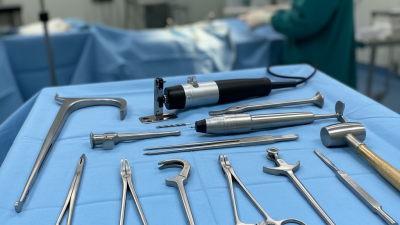
In the world of medicine, surgical tools play a vital role. These instruments are crucial for successful surgeries. Every surgeon relies on specific tools to navigate complex procedures. Knowing these surgical tools can enhance understanding of the surgical process.
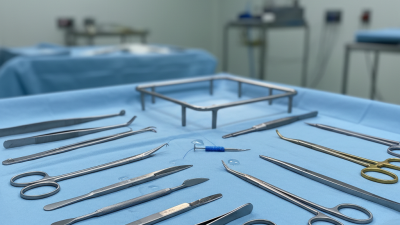
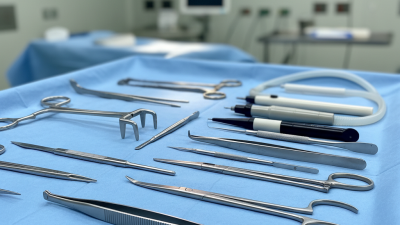
Consider the scalpel, a fundamental tool for making incisions. Its sharpness ensures precision. However, the choice of a scalpel can affect outcomes. There are also forceps, used for grasping tissues. They come in various shapes and sizes, each suited for different tasks. Understanding the distinctions is essential.
Many surgical tools are specialized. For example, clamps control bleeding during operations. Yet, the improper use of these tools can lead to complications. Awareness of their potential pitfalls is necessary. Overall, familiarity with surgical tools can deepen appreciation for surgical art. Each tool has a story, contributing to the larger picture of patient care.
Essential Handheld Surgical Instruments Every Surgeon Uses
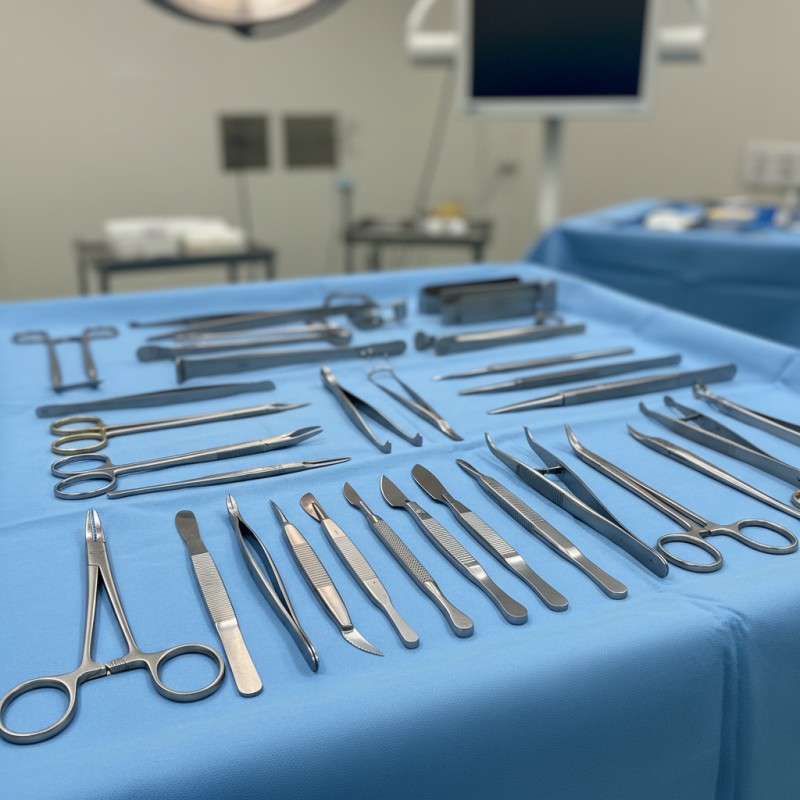
Surgical instruments play a critical role in successful operations. Handheld surgical tools are essential for precise procedures. These tools are designed for various functions, such as cutting, grasping, and suturing. According to a recent report, over 80% of surgical procedures utilize these handheld instruments. Surgeons rely on them daily to ensure patient safety and achieve optimal outcomes.
Instruments like scalpels and forceps are common. Scalpels are used for making incisions. They come in different shapes and sizes. Forceps help to hold tissues and control bleeding. Since each procedure is unique, the choice of instruments can vary greatly. A study revealed that 65% of complications arise due to improper instrument selection. This highlights the importance of having the right tools handy.
Though these instruments are vital, they can also pose challenges. Surgeons undergo extensive training, yet the pressure can lead to mistakes. In a high-stakes environment, even the smallest error can lead to complications. There is a continuous need for improvement in instrument design and usability. While the current tools are effective, there's always room for better solutions. Understanding these challenges allows for better preparations and training, ultimately enhancing surgical success rates.
Top Surgical Tools You Should Know About
| Instrument Name |
Primary Use |
Material |
Length (cm) |
Color Code |
| Scalpel |
Incisions |
Stainless Steel |
15 |
Blue |
| Hemostatic Forceps |
Clamping Blood Vessels |
Stainless Steel |
12 |
Green |
| Scissors |
Cutting Tissues |
Stainless Steel |
18 |
Red |
| Needle Holder |
Holding Needles |
Stainless Steel |
15 |
Yellow |
| Forceps |
Grasping Tissues |
Stainless Steel |
14 |
Purple |
Advanced Surgical Equipment: Key Features and Functions
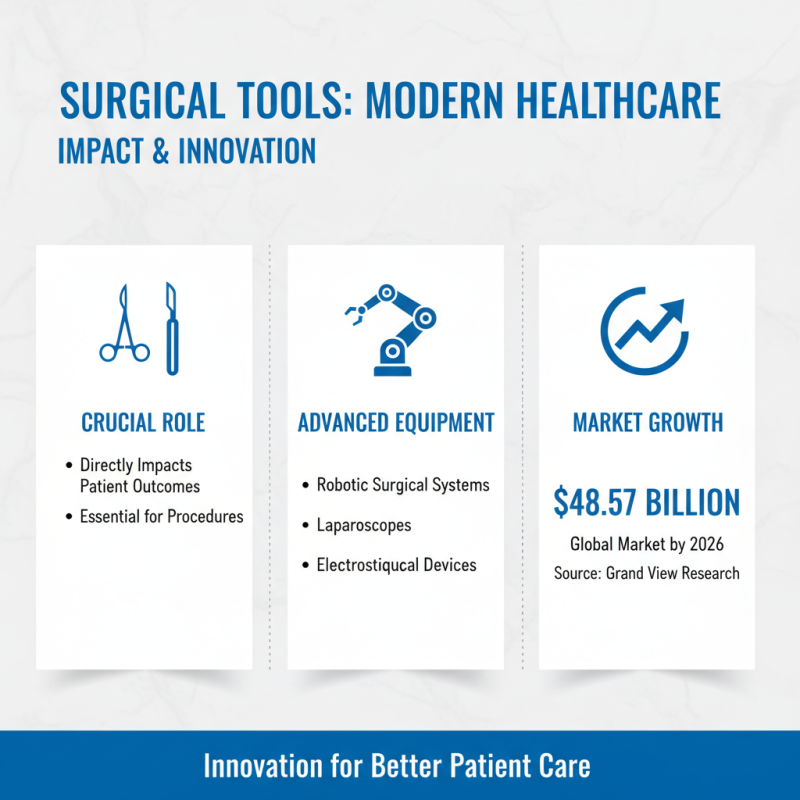
Surgical tools play a crucial role in modern healthcare. Their effectiveness directly impacts patient outcomes. Advanced surgical equipment includes instruments like robotic surgical systems, laparoscopes, and electrosurgical devices. According to a recent industry report by Grand View Research, the global surgical instruments market is expected to reach $48.57 billion by 2026, highlighting the need for advanced tools.
Robotic surgical systems enhance precision during complex procedures. They offer surgeons improved dexterity and control. Many institutions report reduced recovery times for patients using these systems. However, some studies suggest that not all surgeons adapt well to robotic tools. A 2021 survey showed that 25% of surgeons felt unprepared for robotic techniques, indicating a need for better training.
Laparoscopes allow for minimally invasive surgeries. This reduces patient pain and scarring compared to traditional methods. However, they also come with limitations. A lack of tactile feedback may lead to complications during surgery. Electrosurgical devices perform well in cutting and coagulating tissues. Yet, they require careful use to prevent thermal injuries. These intricacies in surgical tools demand ongoing training and evaluation to maximize patient safety and outcomes.
Emerging Technologies in Surgical Tools and Their Impact
Emerging technologies in surgical tools are revolutionizing the field of medicine. Tools like robotic surgery systems and 3D printing are making procedures more precise. Surgeons can perform minimally invasive operations with enhanced dexterity. The result? Shorter recovery times for patients.
Virtual reality is also making its mark. Surgeons can now practice complex procedures in a simulated environment. This training enhances their skills and confidence significantly. However, the reliance on tech raises questions. Are skills becoming too dependent on machines? It’s an ongoing debate.
Tips: Always stay updated on tech advancements. Engage in workshops and training. Hands-on experience remains crucial. Balancing tech with traditional skills is key. In evolving fields, some uncertainty is natural. A blend of old and new methods often leads to the best outcomes. Finding that balance is an ongoing journey for many professionals.
Top Surgical Tools: Impact of Emerging Technologies
This bar chart illustrates the adoption rates of various emerging technologies in surgical tools, highlighting the trend and impact of innovations in the field of surgery.
Choosing the Right Surgical Instruments for Specific Procedures
Choosing the right surgical instruments is critical for successful procedures. Each tool serves a specific purpose and can affect outcomes. For example, a 2021 report indicated that surgical errors can lead to complications in up to 30% of surgeries. This alarming statistic emphasizes the importance of appropriate instrument selection.
Different surgical specialties require unique tools. For instance, orthopedic surgeries often involve specialized saws and drills. In contrast, delicate procedures, like neurosurgery, may need fine forceps and micro-scissors. Data from the American College of Surgeons states that improper instrument use can increase patient recovery time significantly. Hence, surgical teams must choose wisely.
There are also potential downsides to consider. Some instruments may be underused or misapplied. Training and experience play vital roles in their effectiveness. A 2020 survey revealed that 40% of surgical staff felt unprepared to use new instruments. This gap in knowledge can lead to reliance on outdated techniques, affecting patient safety. Surgical teams can reflect on their training and adapt to maintain high standards.