Learn Surgical Instruments Essential Tips for Beginners?
In the ever-evolving field of surgery, mastering surgical instruments is crucial. Dr. Emily Carter, a renowned surgical educator, once said, "To learn surgical instruments is to understand the essence of surgery itself." This profound insight emphasizes the importance of foundational knowledge for beginners.
As aspiring surgeons embark on their journey, they often overlook the significance of hands-on experience. Understanding each instrument's purpose, function, and proper handling cannot be emphasized enough. Beginners may feel overwhelmed by the plethora of tools in an operating room. Yet, realistic practice and guidance are vital for developing competence and confidence.
Inadequate knowledge can lead to mistakes during crucial moments. It’s essential to reflect upon one’s approach to learning and practicing these skills. Emphasizing precision and stewardship is critical. Embrace the journey of learning, as it shapes future surgical excellence.
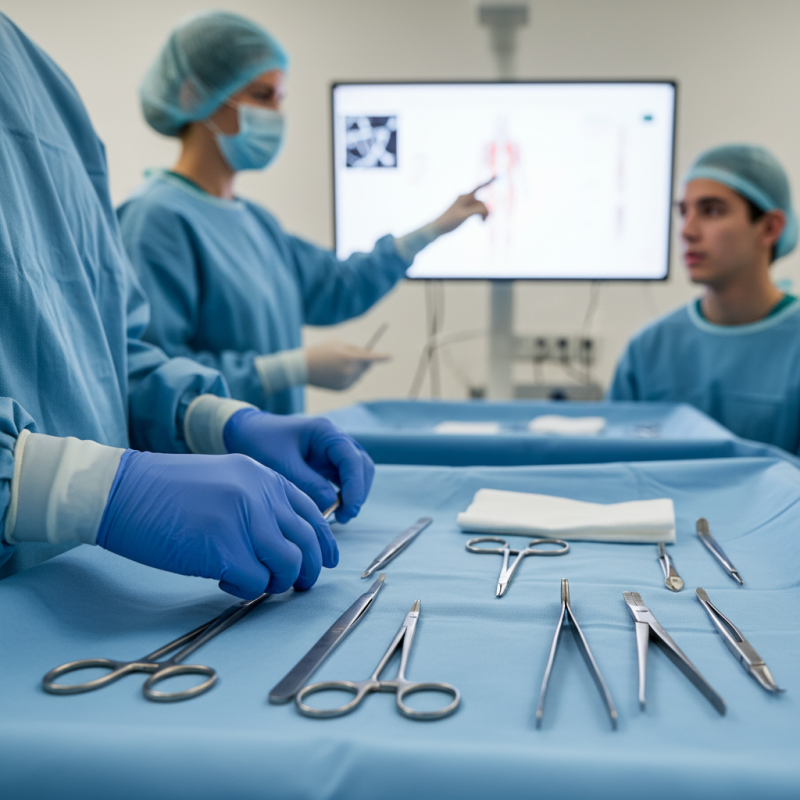
Understanding the Basics of Surgical Instruments for Beginners
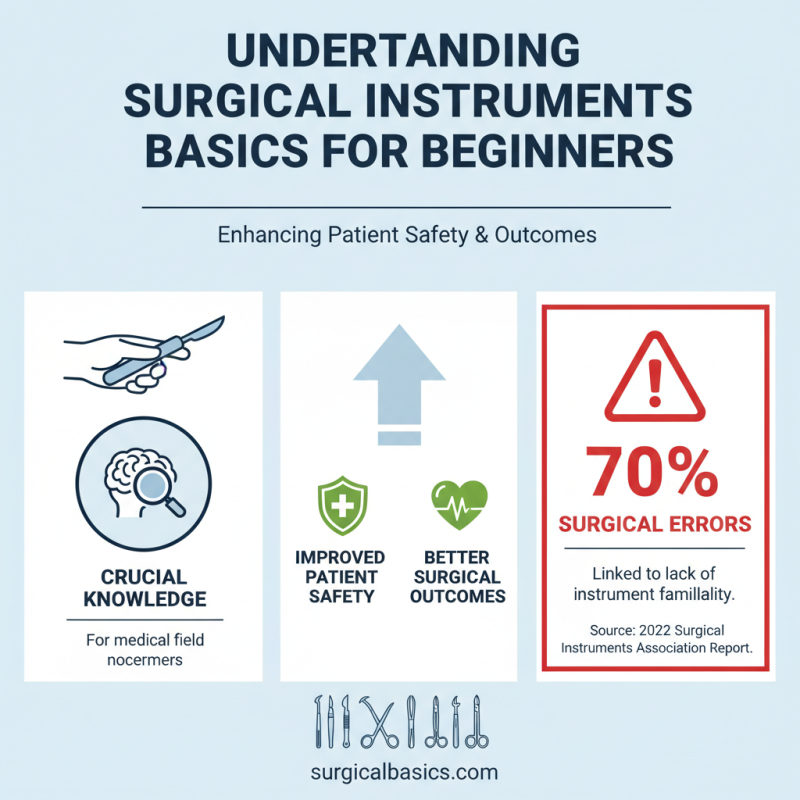
Understanding surgical instruments is crucial for beginners entering the medical field. Proper knowledge of these tools enhances patient safety and improves surgical outcomes. According to a 2022 report by the Surgical Instruments Association, 70% of surgical errors are linked to a lack of instrument familiarity.
Common instruments like scalpels, forceps, and retractors have specific functions. Each tool is designed with precision, reflecting decades of surgical practice. For instance, a scalpel’s blade must be sharp and sterile to prevent infection. However, new learners often mishandle instruments, leading to potential risks. This highlights the need for thorough training and practice.
Inventory management is also a challenge. A 2023 study found that 30% of surgical teams reported issues with instrument availability. Not having the right tools can delay surgeries. Therefore, understanding both instrument usage and inventory processes is vital. Beginners need to engage in regular workshops and simulations. This hands-on experience fosters confidence and reduces mistakes.
Types of Surgical Instruments and Their Functions Explained
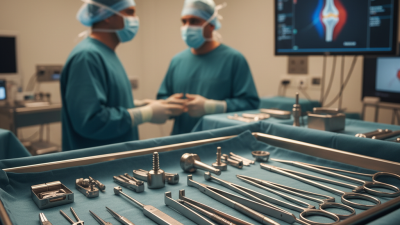
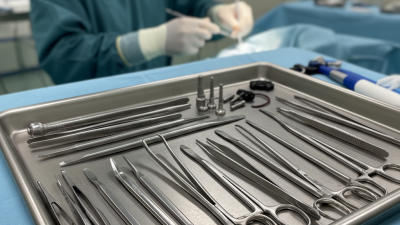
Surgical instruments play a critical role in operating rooms. Understanding their types and functions is essential for beginners. Each instrument has a specific purpose that aids surgeons in performing delicate procedures.
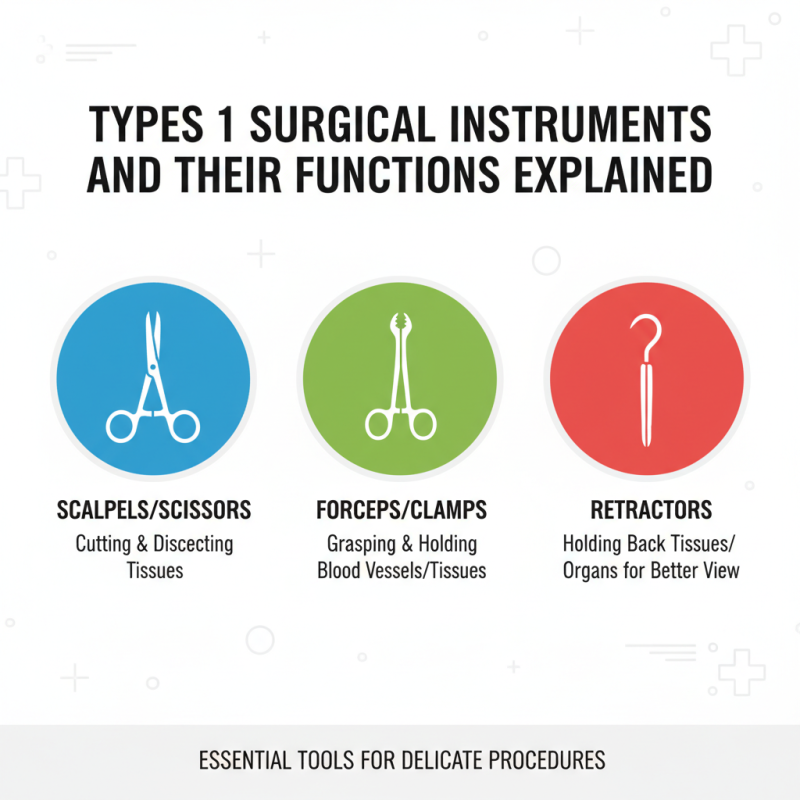
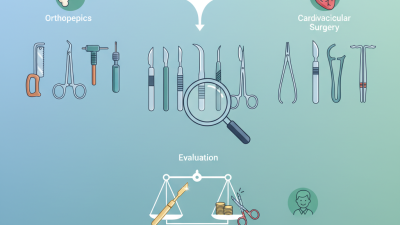
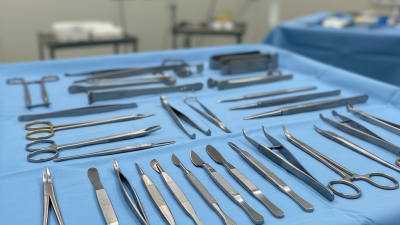
Scissors are commonly used to cut tissues. Many types exist, including those designed for delicate or heavy tasks. Forceps, on the other hand, are essential for grasping tissues. They come in various styles, suitable for different applications, like needle holders or dissecting forceps.
Another crucial instrument is the scalpel, used to make incisions. Precision is key here. Each blade can vary in shape and size, impacting its effectiveness. Additionally, retractors help maintain visibility during surgery by holding back tissues. It's vital to familiarize yourself with these tools to enhance your surgical skills. Remember, mastering the use of instruments requires practice and experience. Reflecting on the shortcomings in your technique is part of the learning journey.
Essential Tips for Choosing the Right Surgical Instruments
Choosing the right surgical instruments is crucial for any aspiring surgeon. A well-equipped surgical kit enhances precision and efficiency in procedures. Beginners often face the challenge of navigating vast options available in the market. It’s more than just picking shiny tools; it’s about understanding their function and your needs.
When selecting instruments, consider their material and ergonomics. Stainless steel is common, but some tools may be coated for enhanced grip. Pay attention to weight; lightweight instruments can reduce hand fatigue during longer surgeries. Familiarize yourself with basic sets like scalpel handles, scissors, and clamps. Yet, be prepared to reassess your choices—what works for one person might not suit another.
Versatility is key. Some tools perform multiple functions, which can be a boon for limited budgets. Reflect on your surgical specialty. The instruments needed for orthopedic surgery differ from those required in plastic surgery. Test tools when possible, as comfort can vary significantly. Seek advice from experienced practitioners but trust your intuition as well.
Best Practices for Handling and Maintaining Surgical Instruments
Handling and maintaining surgical instruments is crucial for ensuring patient safety and optimal outcomes. According to a report by the Association of periOperative Registered Nurses, improper handling of surgical instruments is a leading cause of surgical site infections. These infections can increase hospital stays and lead to serious complications. Understanding how to properly handle these instruments can significantly reduce these risks.
One essential tip is to always inspect instruments before use. Look for any signs of damage or wear. Even minor defects can compromise their effectiveness. A survey conducted by the World Health Organization revealed that about 30% of surgical instruments assessed were found to have imperfections. It's also vital to clean instruments promptly after procedures. This prevents biological debris from hardening and ensures easier sterilization later.
Regular training is another best practice. The American College of Surgeons emphasizes that continuous education helps staff stay informed about the latest sterilization techniques and instrument maintenance protocols. Nurses should be trained to manage instruments properly and understand their specific function within surgical procedures. Regular audits can help identify gaps in knowledge and area for improvement, fostering a culture of safety in the surgical environment.
Resources for Further Learning About Surgical Instruments
When starting your journey into the world of surgical instruments, having the right resources is vital. Books, online courses, and interactive tutorials can provide deep insights. Websites with instructional videos often break down complex concepts into digestible formats. These resources allow you to visualize each instrument's function, which enhances learning.
One essential tip is to familiarize yourself with small sets of instruments. Focusing on a handful at first helps avoid overwhelming yourself. Another useful approach is to engage in hands-on practice whenever possible. Observing instruments in a clinical setting makes their purpose clearer. Mistakes will happen, and that’s part of the learning process. Reflecting on these errors can lead to significant improvements.
Joining online forums and communities can provide support. Here, beginners share experiences and tips. This exchange can reveal insights you might not find in textbooks. Regular discussions can maintain your interest and motivation. Embrace the unpredictable nature of learning. It often leads to unexpected knowledge and skills in surgical instruments.
Understanding Surgical Instruments: Usage Frequency Among Beginners