Top Orthopedic Instruments for Effective Surgical Solutions?
In the rapidly evolving field of orthopedics, the choice of surgical instruments is critical. Dr. James Thompson, a renowned orthopedic surgeon, asserts, "The right instruments can transform surgical outcomes." This statement emphasizes the essential role of orthopedic instruments in modern medical procedures.
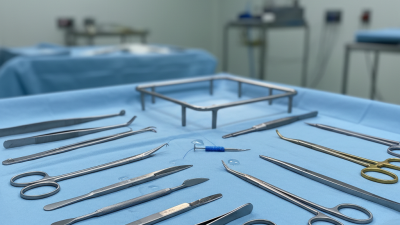
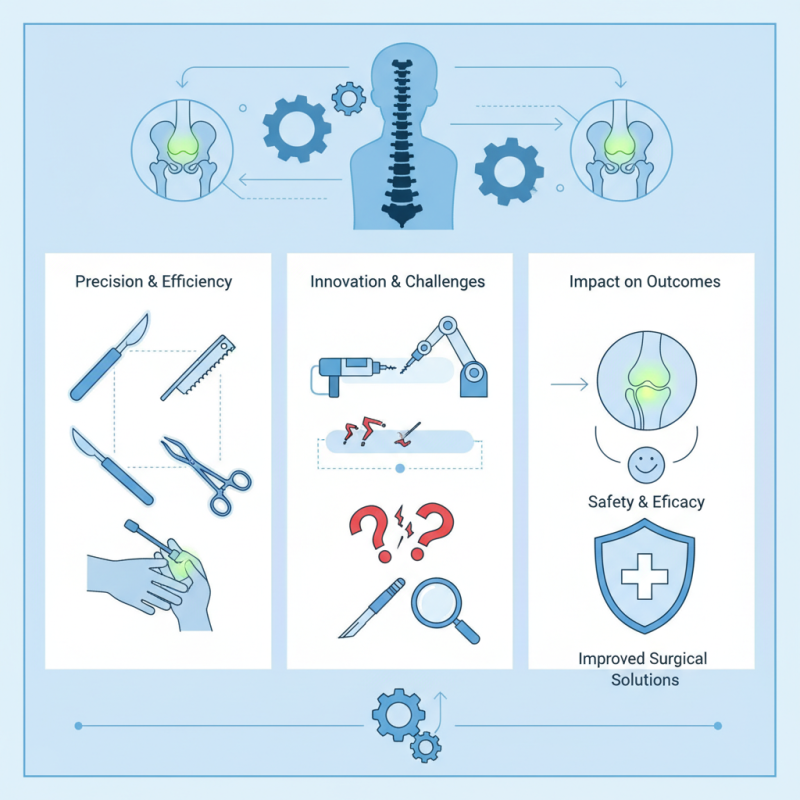
Orthopedic instruments are designed to enhance precision and efficiency during surgery. They range from traditional tools like scalpels and forceps to advanced instruments equipped with cutting-edge technology. Surgeons often encounter challenges when selecting the appropriate tools for specific procedures. As the landscape of orthopedics changes, practitioners must stay informed about the latest advancements.
However, the industry faces issues with instrument quality and availability. Not all instruments meet the necessary standards, leading to potential complications. Surgeons must critically evaluate their tools to ensure safety and efficacy. The struggle to obtain reliable orthopedic instruments continues to be a noteworthy problem within the field. Ultimately, the effectiveness of surgical solutions hinges on the instruments employed.
Key Types of Orthopedic Instruments Used in Surgical Procedures
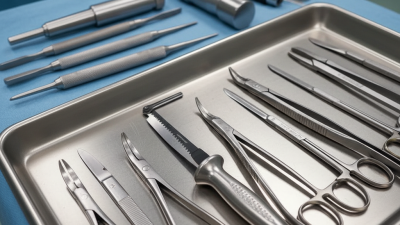
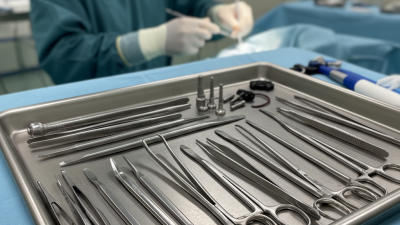
Orthopedic surgery relies heavily on a range of specialized instruments. These tools are designed to address various musculoskeletal issues. Common instruments include bone saws, forceps, and drills. Recent industry reports indicate that over 75% of orthopedic surgeries involve these essential devices.
Surgical precision is critical. For instance, a bone saw typically offers a clean cut to minimize tissue damage. Forceps help grip and stabilize tissues during delicate procedures. Drills, on the other hand, are vital for creating precise holes for screws and anchors. Surgeons often report challenges in maintaining instrument sharpness. Dull tools can lead to longer surgery times and increased complications.
Training plays a crucial role in instrument handling. Surgeons must be well-versed in using these devices. According to a survey, 40% of orthopedic surgeons believe that improved training can lead to fewer errors. The importance of having reliable and efficient instruments cannot be overstated. The surgical outcome largely hinges on both skill and tool effectiveness. Orthopedic instruments continue to evolve, but their core purpose remains to enhance patient care.
Top Orthopedic Instruments for Effective Surgical Solutions
| Instrument Type |
Description |
Common Uses |
| Scissors |
Used for cutting tissue and sutures. |
Soft tissue dissection and suture removal. |
| Forceps |
Handheld tool used to grasp or hold tissue. |
Tissue manipulation during surgery. |
| Drills |
Motorized instruments for creating holes in bone. |
Used in fixation of implants and screws. |
| Saws |
Used for cutting bone with precision. |
Bone resection and limb amputations. |
| Chisels |
Used to shape or cut bone. |
Bone grafting and osteotomies. |
| Retractors |
Devices to hold back tissue or organs. |
Improve visibility during surgeries. |
| Bone Plates |
Metal implants used to stabilize broken bones. |
Fracture repair and stabilization. |
| Sutures |
Threads used to close wounds or surgical incisions. |
Post-surgical wound closure. |
Essential Handheld Tools for Bone and Joint Surgery
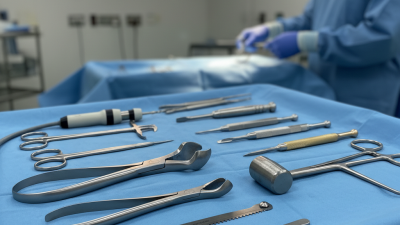
In the realm of bone and joint surgery, handheld tools play a pivotal role. Surgeons rely on various instruments to perform precise and effective procedures. Commonly used tools include scalpels, forceps, and retractors. Each serves a unique purpose during surgery. Their design is crucial for efficiency and safety.
Scalpels allow for delicate cuts, enabling access to underlying structures. Forceps help grasp tissues firmly during manipulation. Retractors hold back skin or muscle, creating a clear operative field. However, these instruments require careful handling. A slight slip can lead to complications. Maintaining a steady hand amid the pressure of surgery is essential.
Surgeons often face challenges with instrument ergonomics. Some designs can cause discomfort during lengthy procedures. It's important to consider the balance between functionality and ease of use. Continuous assessment and adaptation of instruments can enhance performance. Engaging with the surgical team about their experiences can lead to better tool design in the future.
Top Orthopedic Instruments for Effective Surgical Solutions
Innovative Surgical Technologies in Orthopedic Practices
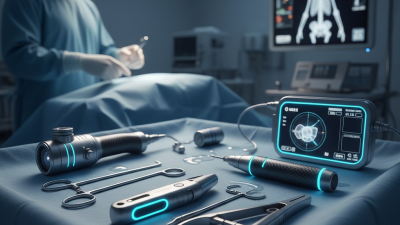
Orthopedic practices are experiencing a technological revolution. The adoption of innovative surgical technologies has transformed patient outcomes and surgical efficiency. According to a recent report by the Orthopedic Network, more than 70% of orthopedic surgeons now utilize advanced technologies. These include robotic-assisted systems and minimally invasive techniques.
Robotic surgical systems enhance precision. They allow surgeons to perform complex procedures with greater accuracy. The data shows that these systems can reduce hospital stay duration by 30%. However, not all facilities can afford this technology. Budget constraints remain a significant barrier. Additionally, not all surgical teams are fully trained to use these advanced tools effectively. This raises concerns about the potential for inconsistent outcomes.
Minimally invasive techniques, like arthroscopy, benefit many patients. They promise smaller incisions and quicker recovery times. A study found that patients who underwent minimally invasive procedures had a 40% faster return to daily activities. Yet, the learning curve can hinder some surgeons’ ability to adopt these methods swiftly. The balance between traditional practices and new technologies presents ongoing challenges in the field.
Evaluating the Effectiveness of Orthopedic Instruments
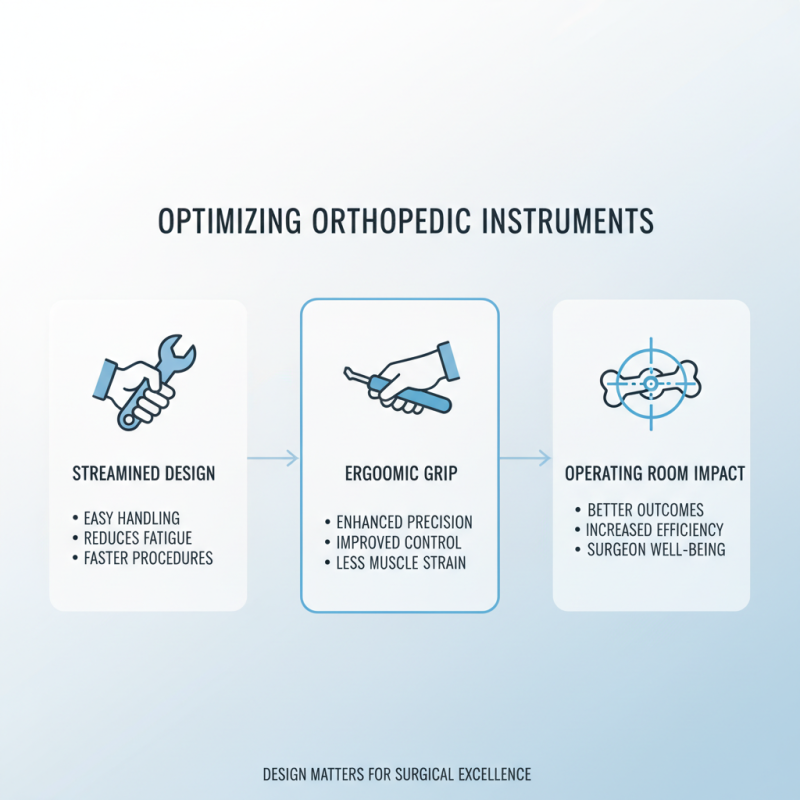
The effectiveness of orthopedic instruments relies heavily on their design and usability. Surgeons often need instruments that are easy to handle. A streamlined design can reduce fatigue during long procedures. An ergonomic grip may enhance precision and control. A well-designed tool can make a significant difference in the operating room.
Many instruments, while effective, have areas for improvement. For example, the size and shape of certain tools may not suit all patients. This can lead to challenges during surgery. Additionally, some instruments may not be durable enough for repeated use. These shortcomings require reflection and innovation within the field.
The evaluation of orthopedic instruments extends beyond functionality. It includes assessing how they impact patient outcomes. Regular feedback from surgical teams can drive enhancements. By analyzing user experiences, manufacturers can refine their products. This ongoing dialogue is essential for advancing surgical solutions.
Future Trends in Orthopedic Surgical Instrumentation
The future of orthopedic surgical instrumentation is evolving rapidly. Innovations in technology allow for greater precision and efficiency in surgeries. A report by MarketsandMarkets indicates that the global orthopedic instruments market is projected to reach $49.4 billion by 2025, growing at a CAGR of 4.5%. This growth highlights a strong demand for advanced surgical tools.
3D printing is a significant development in this field. Surgeons can now create patient-specific implants. This personalization leads to improved outcomes. Additionally, robotic-assisted surgeries are on the rise. A study shows that these systems can reduce recovery times by about 20%. However, the adoption of such technologies is not without challenges. Training medical staff to use new instruments can take time.
Virtual reality (VR) and augmented reality (AR) are also gaining traction. These technologies enhance training for orthopedic surgeons. They allow for simulated surgeries in a risk-free environment. Yet, the high costs associated with implementing these technologies remain a concern for many institutions. As the industry moves forward, balancing innovation with practical constraints will be crucial.