What is an Orthopedic Prosthesis and How Does It Work?
An orthopedic prosthesis plays a vital role in modern medicine. It is designed to replace lost limbs or support damaged structures in the body. Patients often experience significant physical and emotional challenges after limb loss. An orthopedic prosthesis aims to restore mobility and enhance the quality of life.
These devices are crafted using advanced materials and technology. They are tailored to fit individual needs. Each prosthesis can offer different functionalities. Some are meant for everyday activities, while others cater to sports or specialized tasks. Understanding how these devices work is crucial for users.
Despite their advantages, challenges remain. Not every individual adapts seamlessly to a prosthetic limb. Comfort and usability can vary greatly. Continuous advancements in technology bring hope. However, the emotional journey can be complex. Users must engage with both the physical and psychological aspects of their rehabilitation. This process is ongoing and requires patience. The road to fully embracing an orthopedic prosthesis can be long, but it is often rewarding.
Definition of Orthopedic Prosthesis
An orthopedic prosthesis is a vital device designed to support or replace a missing limb. Primarily used for enhancing mobility, these prostheses cater to individuals who have experienced amputations or congenital limb deficiencies. Understanding its function is essential. An orthopedic prosthesis connects to the residual limb and enables users to walk and perform daily activities more effectively.
Choosing the right prosthesis can be overwhelming. It's crucial to consult with an orthopedic specialist who can recommend the best options tailored to individual needs. Try to find a prosthetist experienced in creating custom prosthetic devices. They can provide detailed guidance and support throughout the process.
Regular follow-ups are important. Adjustments may be needed as the residual limb changes over time. Keep an eye on skin condition and fit. Small irritations can lead to bigger issues if not addressed. Establish a routine for checking the prosthesis regularly. Remember, an orthopedic prosthesis may not always be perfect. Adaptation takes time and patience. The journey of using a prosthesis involves physical and emotional challenges, and being mindful of these aspects fosters resilience and growth.
Types of Orthopedic Prostheses and Their Applications
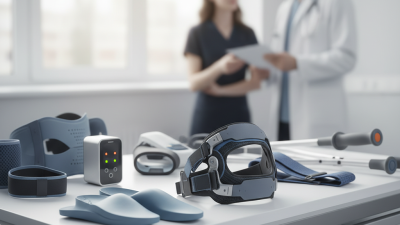
Orthopedic prostheses come in various forms, each designed for specific applications. The most common types include lower limb prostheses, upper limb prostheses, and spinal orthoses. Lower limb prostheses help individuals with leg amputations regain mobility. They often utilize advanced materials to reduce weight while maintaining strength. Some models feature microprocessor-controlled knees, providing a more natural walking experience.
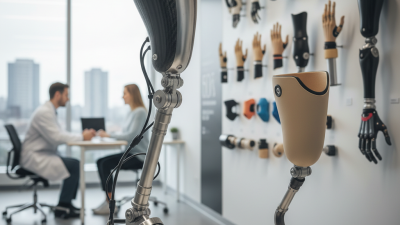
Upper limb prostheses are tailored for hand and arm amputees. They range from passive devices that assist in basic functions to advanced bionic limbs. These bionic options can mimic natural movement through sensors and motors.
Spinal orthoses aim to support the back and correct posture. These devices are used for conditions like scoliosis and herniated discs, helping patients maintain spinal alignment.
While these devices offer immense benefits, challenges remain. Fitting can be complex, sometimes leading to discomfort. Users may struggle to adapt to new limb dynamics. Regular follow-ups and adjustments are crucial. With advances in technology, ongoing research continues to enhance their functionality. However, perfection is a goal still on the horizon. Individuals often share their personal journeys, reflecting on the adjustments required to fully integrate prostheses into their lives.
Continuing innovation in the field of prosthetics inspires hope and progress, leading to improved quality of life for many individuals.
Components and Materials Used in Orthopedic Prostheses
Orthopedic prostheses are intricate devices designed to improve mobility for those with limb loss or abnormalities. The core components of these prostheses typically include sockets, pylons, and joints, each playing a vital role. Sockets are custom-fitted to ensure comfort and stability. They are often made of lightweight materials such as thermoplastics or carbon fiber. These materials not only enhance durability but also allow for better weight distribution and movement.
Joints are crucial for mimicking the natural function of limbs. They can be mechanical or powered, depending on the level of function required. Mechanical joints often use springs or hinges. In contrast, powered prostheses may incorporate motors to assist in movement. The choice of materials extends to soft linings that help reduce friction and improve comfort. While advancements in technology offer hope, challenges remain. For instance, prosthetic fittings can undergo multiple adjustments as the user’s needs evolve. This dynamic aspect stresses the importance of experienced professionals in the fitting process.
Reflecting on the process reveals areas for improvement. Some users may find adapting to a new prosthesis challenging. Ongoing support from healthcare providers is essential. Understanding the unique components of orthopedic prostheses can empower users to make informed choices. However, each journey is different, and there is no one-size-fits-all solution. The combination of specialized materials and thoughtful design can create both functionality and comfort, yet continuous innovation remains a necessity.
What is an Orthopedic Prosthesis and How Does It Work? - Components and Materials Used in Orthopedic Prostheses
| Component |
Material Used |
Function |
| Socket |
Polyethylene |
Holds the residual limb securely in place. |
| Pylon |
Aluminum or Titanium |
Provides structural support and alignment. |
| Foot Component |
Carbon Fiber |
Absorbs shock and simulates natural foot movement. |
| Suspension System |
Silicone or Neoprene |
Keeps the prosthesis securely attached during activities. |
| Knee Joint |
Stainless Steel or Polymer |
Enables bending and straightening of the leg. |
Mechanism of Action: How Orthopedic Prostheses Function
Orthopedic prostheses are advanced medical devices designed to restore function to individuals with limb loss or significant injury. Their effectiveness relies on precise engineering and an understanding of human biomechanics. According to a report by the World Health Organization, about 30 million people worldwide require prosthetic limbs. The mechanisms at play within these prostheses illuminate how they aid in mobility and daily activities.
The primary function of orthopedic prostheses is to mimic natural limb movements. They often use a combination of materials, such as carbon fiber and titanium, to provide durability while remaining lightweight. Studies show that well-fit prostheses can improve the user’s quality of life, yet a significant number of users report discomfort and issues with fit. Understanding a user's specific needs is crucial for success, as each limb and individual situation presents unique challenges.
Prostheses operate through a combination of passive and active systems. Passive prosthetics rely on the user's strength to initiate movement, while active prosthetics integrate motors and sensors to assist with movement. Over 60% of users find it hard to adapt to the control of active systems, indicating a need for better training and resources. Continuous advancements in technology may help address these issues, but challenges remain in ensuring user compatibility and comfort.
Benefits and Challenges of Using Orthopedic Prostheses
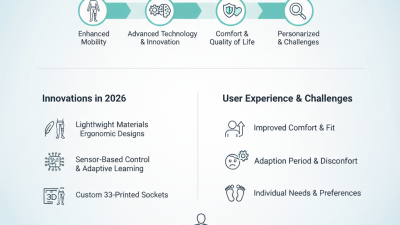
Orthopedic prostheses play a crucial role in restoring mobility and improving the quality of life for individuals with limb loss. The global market for orthopedic prosthetics was valued at approximately $2.56 billion in 2020 and is expected to grow significantly. However, despite their advantages, patients often face challenges that impact their overall experience.
One major benefit of using orthopedic prostheses is enhanced mobility. Reports indicate that around 90% of amputees can achieve basic walking with proper prosthetic devices. This improvement comes with physical independence, allowing many to engage in daily activities without assistance. Yet, the emotional adjustment can be daunting. Many users report feelings of frustration or inadequacy as they adapt to their new limbs.
Another challenge centers on the fitting process. A study published in the Journal of Rehabilitation Research found that about 30% of patients encounter issues with comfort and fit. These issues can lead to skin irritations, pain, or reduced use of the prosthesis. As technology evolves, the introduction of customizable prosthetics aims to address these discomforts. However, ongoing adjustments are often necessary, requiring patience and a willingness to adapt.
Benefits and Challenges of Using Orthopedic Prostheses