Top Orthopedic Surgical Instruments You Should Know About?
Orthopedic surgical instruments play a crucial role in modern medicine. These tools aid surgeons in correcting bone and joint issues effectively. Familiarity with these instruments can enhance surgical outcomes and patient recovery.
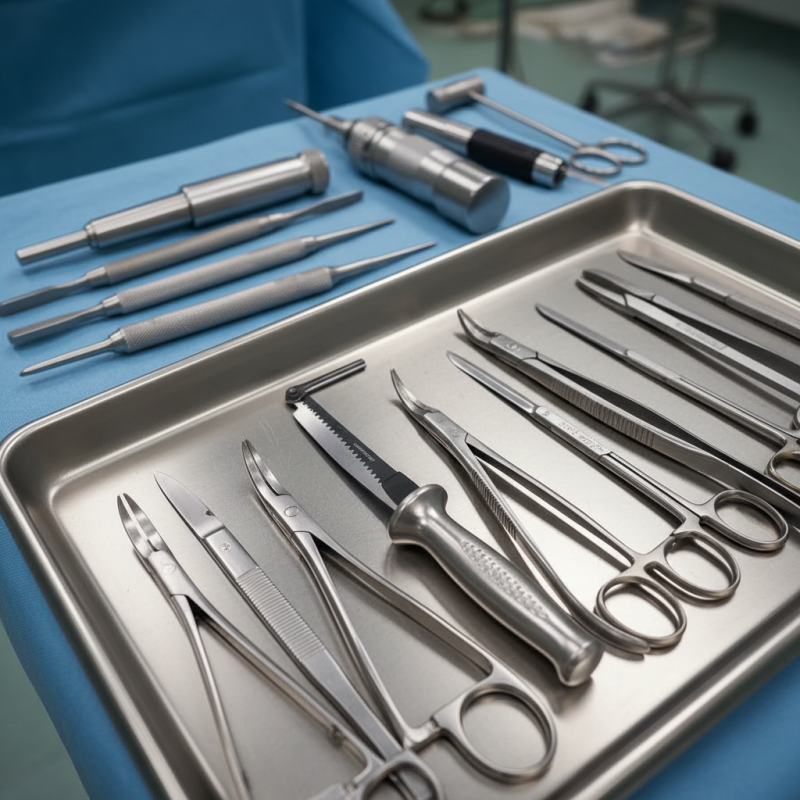
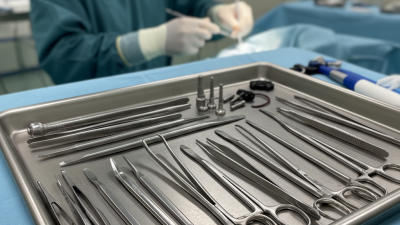
In the realm of orthopedics, precision is vital. Tools like scalpels, bone saws, and forceps are essential. Each instrument serves a specific purpose. A misplaced tool can lead to complications. Thus, knowledge about these instruments can minimize errors and improve safety.
Despite advancements, challenges remain. Some instruments can be complex to use. Training is essential for optimal results. Ensuring each tool is in top condition is also crucial. Maintenance is often overlooked. Yet, proper care can extend the lifespan of surgical instruments. Understanding the intricacies of orthopedic surgical instruments ultimately leads to better patient care.
Essential Categories of Orthopedic Surgical Instruments
Orthopedic surgical instruments are crucial in repairing bones and joints. These tools help surgeons perform procedures safely and effectively. Knowing the essential categories can enhance understanding of their roles in surgery.
One key category is cutting instruments. These include saws and chisels. They are designed to precisely cut through bone. Another important group is fixation devices. These instruments stabilize bones during healing. They include screws, plates, and pins. Their reliability is vital, yet one must constantly assess their performance during surgeries.
In addition, there are tools for soft tissue handling. Scissors and forceps fall into this category. They require careful use to avoid damaging surrounding tissues. Finally, cleaning and sterilization tools are often overlooked. They ensure instruments remain safe for repeated use. Reflection on the importance of proper maintenance is essential. Each category supports the intricate process of orthopedic surgery, but they also demand respect and ongoing evaluation.
Common Handheld Tools Used in Orthopedic Surgery
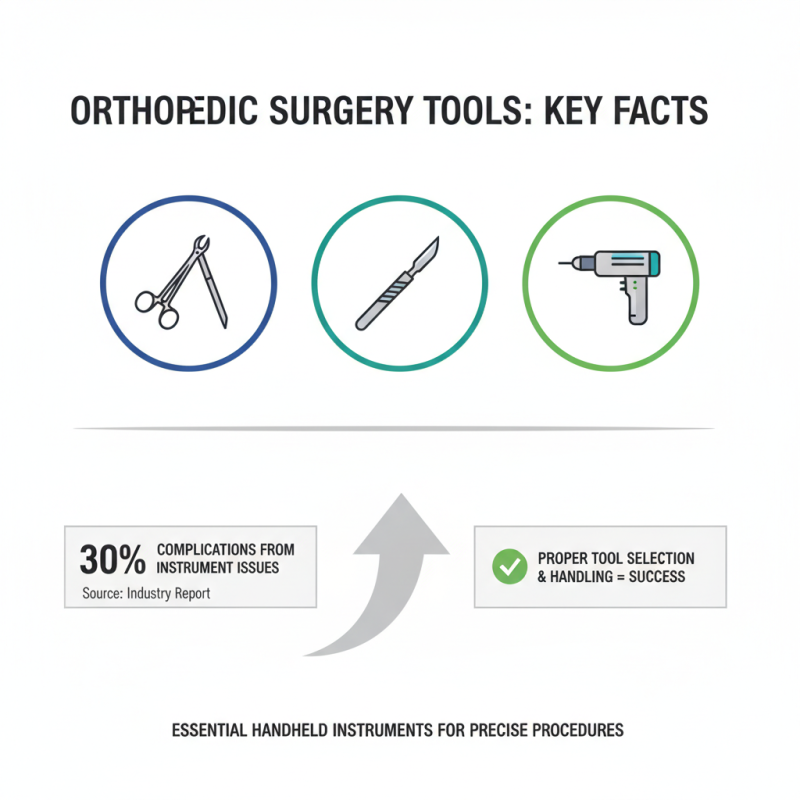
Orthopedic surgery relies on a variety of handheld tools that are essential for successful outcomes. Surgeons often use instruments like forceps, scalpels, and drills to perform precise procedures. According to a recent industry report, over 30% of complications in surgeries arise from instrument-related issues. This highlights the importance of proper tool selection and handling.
Forceps are crucial for tissue manipulation during surgeries. They come in various shapes and sizes, tailored for specific tasks. Surgeons frequently choose them based on the type of operation. A well-made scalpel enables clean cuts, minimizing recovery time for patients. However, intricate procedures can lead to human error, emphasizing the need for constant practice and training.
Tips: Always inspect instruments before use to avoid accidents. Keep them sterilized to prevent infections. Daily practice with these tools can enhance dexterity. Remember, every tool has a learning curve—embracing this fact can lead to improvement over time. Proper training is vital; it reduces the risk of errors. Consistently updating skills and knowledge is essential in this evolving field.
Advanced Imaging and Navigation Equipment in Orthopedics
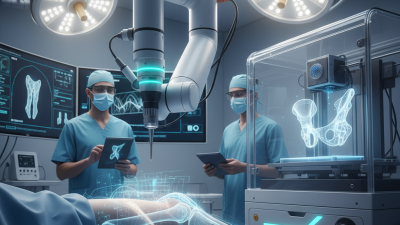
Advanced imaging and navigation equipment play a crucial role in modern orthopedic surgery. These technologies enhance precision during procedures. Surgeons can visualize the anatomy in real-time, improving outcomes. For instance, 3D imaging allows for a detailed view of bone structures. This minimizes the risk of complications.
Navigation systems are equally important. They guide surgeons in placing implants accurately. Enhanced tracking can reduce operation time. Moreover, it ensures proper alignment, which is vital for recovery. However, not all facilities have access to the latest technologies. Costs can be a barrier, limiting their availability. Surgeons must adapt and find alternatives within their means.
Moreover, reliance on advanced equipment can lessen traditional skills. Surgeons must continue to refine their hands-on techniques. Balancing technology with skill is essential for optimal patient care. While these advancements offer many benefits, they should not replace fundamental surgical knowledge. Each procedure requires thoughtful consideration and reflection on both technology and technique.
Top Orthopedic Surgical Instruments You Should Know About
| Instrument Name |
Description |
Main Applications |
Material |
Size Range |
| Scalpel |
A small, sharp knife used for incisions |
General Surgery, Orthopedics |
Stainless Steel |
Various sizes |
| Forceps |
Instrument used for grasping tissue |
Tissue Handling |
Stainless Steel |
Variety |
| Chisel |
Used to carve or shape bone |
Bone Surgery |
Carbon Steel |
Multiple sizes |
| Sawbones |
Synthetic bone models for training |
Surgical Training |
Synthetic Materials |
Various sizes |
| Navigation System |
Advanced imaging for precision |
Joint Replacement, Fracture Repair |
Electronics & Software |
Fixed configuration |
Specialized Implants and Fixation Devices in Orthopedic Procedures
In orthopedic procedures, specialized implants and fixation devices play crucial roles. These tools help stabilize bones and joints, promoting effective healing. Surgeons often rely on plates, screws, and rods. They come in various sizes and materials, reflecting the patient's unique needs. Each device serves a specific purpose. This specificity improves patient outcomes and speeds up recovery.
However, using these instruments can be complex. Surgeons must have extensive training to choose the right device. An incorrect choice may lead to complications. For example, improper fixation can delay recovery or cause further injury. Biocompatibility is another concern; some materials can trigger allergic reactions or inflammation.
Instruments like tension band wires offer insights into the innovation landscape. They allow for dynamic stabilization, adapting to movement. Yet, implementation can be tricky. There is always room for improvement in technique and design. Ongoing research seeks better solutions, but challenges remain. As the field evolves, so does the importance of understanding these specialized tools.
Maintenance and Sterilization Practices for Surgical Instruments
Proper maintenance and sterilization of orthopedic surgical instruments is crucial. These instruments play a vital role in successful surgeries. However, improper care can lead to serious issues. Regular inspection is essential. Look for signs of wear or damage. Dull blades or bent tips can result in ineffective procedures.
Sterilization is not just a step; it is a critical process. Instruments must be cleaned before sterilization. This ensures the removal of all debris and biological matter. Using appropriate cleaning solutions is important. Rinse and dry instruments thoroughly to avoid corrosive residues. After cleaning, instruments should be sterilized using methods like autoclaving. This step kills all microorganisms. However, the effectiveness of sterilization can vary.
The storage of instruments also requires attention. They should be kept in a clean, dry place. Using proper trays or containers reduces the risk of contamination. Even small lapses can lead to infections or complications. Reflecting on these practices can improve outcomes. Surgical teams must prioritize instrument care for better patient safety.