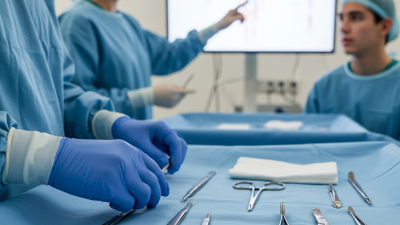
Top Orthopedic Surgical Tools for Efficient Operations?
In the fast-evolving field of orthopedics, the choice of surgical tools can significantly influence patient outcomes. Dr. Emily Hart, a leading orthopedic surgeon, emphasizes, “The right tools can make or break an operation.” Her words highlight the importance of effective orthopedics surgical tools in achieving successful surgical interventions.
Orthopedic surgical tools are not just instruments; they are vital components of surgical precision. From scalpel blades to retractors, each tool serves a specific purpose. Surgeons depend on high-quality instruments to reduce operation times and improve accuracy. However, many hospitals still struggle with outdated equipment, which can lead to complications and longer recovery times for patients. This gap reflects a need for continuous improvement and investment in updated orthopedics surgical tools.
Moreover, as technology advances, new tools are introduced regularly. While some tools enhance efficiency, others may have a learning curve that requires adaptation. This can lead to hesitancy among surgical teams. Thus, ongoing education and hands-on training are crucial. Overall, the journey to refining orthopedic surgical tools is a path filled with opportunities, challenges, and the ultimate goal of better patient care.
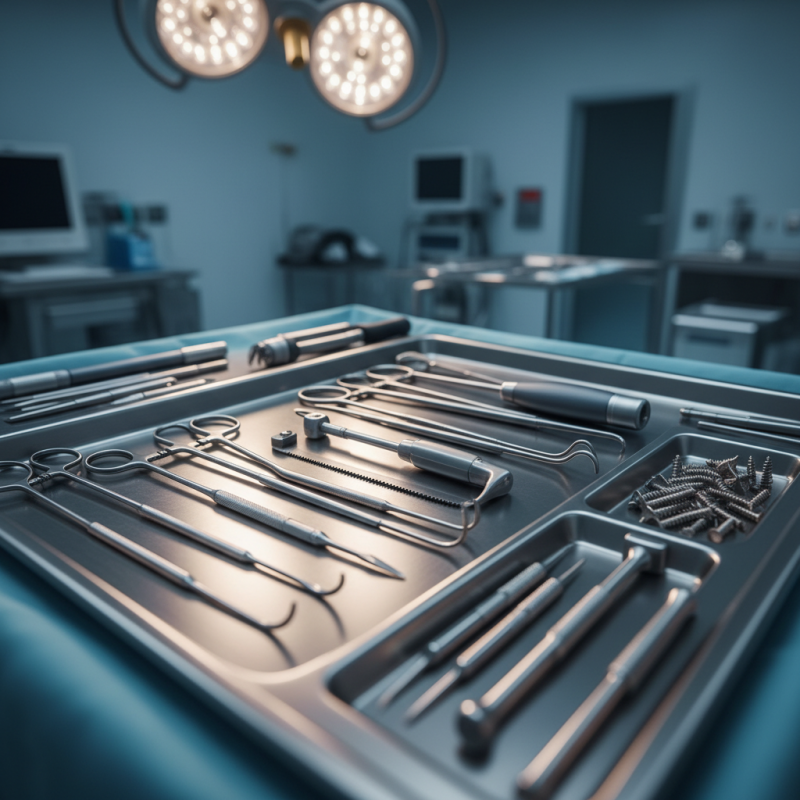
Essential Surgical Instruments in Orthopedics
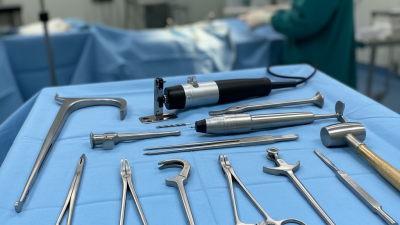
Orthopedic surgeries demand precision and efficiency. Essential instruments play a vital role in achieving these goals. According to a recent industry report, the global orthopedic surgical tools market is projected to reach $15 billion by 2025. This growth highlights the increasing reliance on specialized tools for complex procedures. Surgeons often utilize tools like bone saws, drills, and various fixation devices to address musculoskeletal issues effectively.
Surgeons usually select instruments based on the specific procedure. For instance, osteotomies require precise cutting tools and stabilization plates. A 2022 study indicated that improper tool selection can lead to increased operation time and complications. Data researchers emphasized the gap in training to choose appropriate tools. This need for enhanced knowledge highlights the importance of continued surgical education.
Advancements in technology introduce new tools to the operating room. For example, robotic-assisted systems improve accuracy in joint replacement surgeries. However, these technologies also require training and adaptation. As surgeons integrate new instruments, they often face challenges. The learning curve may initially affect patient outcomes. Understanding both the potential and limitations of these tools is crucial for optimizing their use.
Top Orthopedic Surgical Tools for Efficient Operations
Common Types of Orthopedic Surgical Tools
Orthopedic surgery relies heavily on specialized tools to enhance precision and efficiency during procedures. Commonly used tools include bone saws, drills, and screwdrivers. Each of these instruments serves a distinct purpose, contributing to successful surgeries. For example, powered bone saws allow for quick and accurate cuts, reducing operation time. Data shows that the use of advanced surgical tools can decrease patient recovery time by up to 30%, highlighting their importance.
Another essential category involves fixation devices like plates and screws. These tools stabilize fractured bones, ensuring proper alignment during the healing process. A study revealed that proper tool selection can lower complication rates by around 15%. Surgeons must often assess their available instruments to ensure they meet the unique demands of each case. Not all tools perform equally, which raises the question of adaptability in surgical environments. Utilizing tools that are easy to handle can significantly impact the overall success of the surgery.
As technology evolves, so does the need for continuous education on tool usage. Surgeons must stay updated on the capabilities of emerging instruments. This necessity for knowledge can lead to gaps in understanding if not addressed. It’s crucial for professionals to regularly evaluate their approaches and tools to maintain high standards of patient care. The orthopedic field must prioritize ongoing training to maximize the effectiveness of surgical instruments.
Innovations in Orthopedic Surgery Equipment
In recent years, orthopedic surgery has witnessed significant advancements in surgical tools and equipment. Innovations focus on improving precision, reducing recovery time, and enhancing patient outcomes. For instance, robotic-assisted surgeries are becoming more prevalent, with studies showing a potential decrease in complication rates by 20% (Journal of Bone and Joint Surgery). Surgeons using these technologies can perform intricate procedures with greater accuracy.
Surgical navigation systems have also gained traction. These tools allow for real-time imaging during surgery, providing surgeons with detailed anatomical views. According to industry reports, these systems can improve alignment in joint replacements, leading to a 30% increase in successful outcomes. However, new technologies can also present challenges. Some surgeons may require additional training, which can initially affect performance.
**Tip:** Always stay updated on the latest training for new equipment. Engaging in hands-on workshops can enhance skills.
The adoption of minimally invasive tools continues to grow. These tools often lead to smaller incisions, less pain, and quicker recovery times. However, improper use can lead to complications. Some studies suggest that while minimally invasive procedures can reduce recovery by up to 50%, they can also raise the risk of injury to surrounding tissues if not performed correctly.
**Tip:** Always assess your proficiency with new tools before integrating them into practice. Regularly reflect on your surgical techniques and outcomes.
Best Practices for Utilizing Surgical Tools Efficiently
Efficient utilization of orthopedic surgical tools is crucial for successful operations. A study by the American Academy of Orthopedic Surgeons highlighted that proper tool management reduces surgery time by up to 20%. This boosts overall efficiency and patient outcomes. Each tool must be meticulously organized and easily accessible during procedures. Surgeons can lose valuable time searching for tools, leading to unnecessary delays.
Training is essential for all surgical staff. Research shows that enhanced training programs improve tool handling skills significantly. For instance, a report by the British Journal of Surgery indicated that trained staff can reduce errors by 30%. Regular drills and simulations can keep skills sharp. It’s also vital to evaluate the tools after each operation. Understanding wear and tear can prevent future complications.
Despite advancements, challenges persist. Not all surgical teams prioritize tool efficiency. For example, a survey from a medical journal revealed that only 40% of orthopedic teams conduct regular reviews of their surgical tools. This gap highlights the need for continuous improvement in practices. By addressing these inefficiencies, surgical teams can create a more streamlined and effective operating environment.
Maintenance and Care of Orthopedic Surgical Instruments
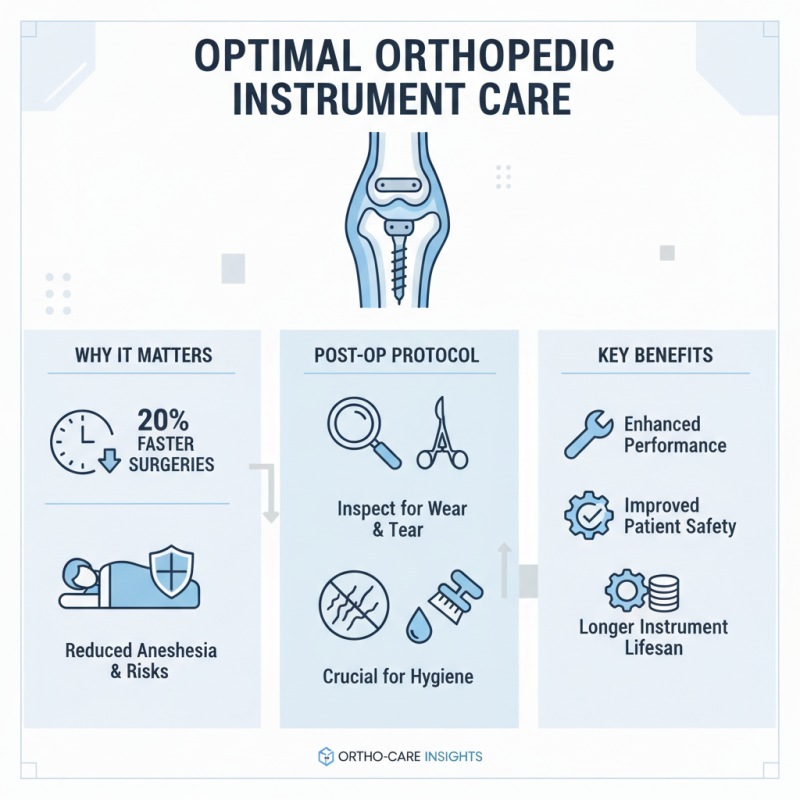
Proper maintenance and care of orthopedic surgical instruments is crucial for optimal performance. Studies show that well-maintained instruments can reduce surgery times by up to 20%. This can minimize patient exposure to anesthesia and overall surgical risks. Each time instruments are used, they should be inspected for wear and tear. Scratches and rust can compromise functionality and hygiene.
Cleaning is an essential part of instrument maintenance. Following the manufacturer's guidelines ensures effective sanitation. Instruments should be thoroughly cleaned and sterilized after each use to prevent infections. According to the Association of periOperative Registered Nurses, improperly cleaned instruments contribute to 50% of post-surgical infections. Regularly scheduled preventative maintenance is also vital. A report from the Joint Commission indicates that maintaining equipment properly decreases the likelihood of unexpected equipment failures, which can delay procedures and compromise patient safety.
Despite rigorous processes, challenges remain. Some instruments are complex and difficult to clean, raising questions about efficacy. Surgeons may discover that certain tools become less reliable over time, leading to frustrations in the operating room. Ongoing training for staff on the latest maintenance techniques is essential. Evidence suggests that continued education can improve adherence to cleaning protocols, ultimately enhancing patient outcomes.