What is Self Tapping Concrete Screws and How to Use Them?
Self Tapping Concrete Screws are a game changer for construction projects. These screws can effortlessly penetrate concrete, providing strong and secure anchoring solutions. Understanding their use is essential for anyone working with concrete materials.
These screws feature unique threads that cut into the concrete as they are driven in. This design eliminates the need for pre-drilling holes, saving both time and effort. However, using them correctly does require some knowledge and skill. You must ensure the right size and type for your specific project to avoid issues.
Many people underestimate the importance of choosing the right tool. An electric drill is typically needed to install Self Tapping Concrete Screws effectively. Using inadequate tools might lead to unsatisfactory results. Moreover, factors like depth and load can impact your project's outcome. It’s crucial to reflect on these aspects to achieve the best results with these versatile screws.
What are Self Tapping Concrete Screws?
Self-tapping concrete screws are specialized fasteners designed for anchoring into concrete. They eliminate the need for pre-drilling holes. These screws feature sharp tips and a unique thread design that allows them to cut into the concrete material directly. They are commonly used in construction and renovation projects. According to the American Concrete Institute, around 70% of construction applications now utilize some form of concrete fasteners.
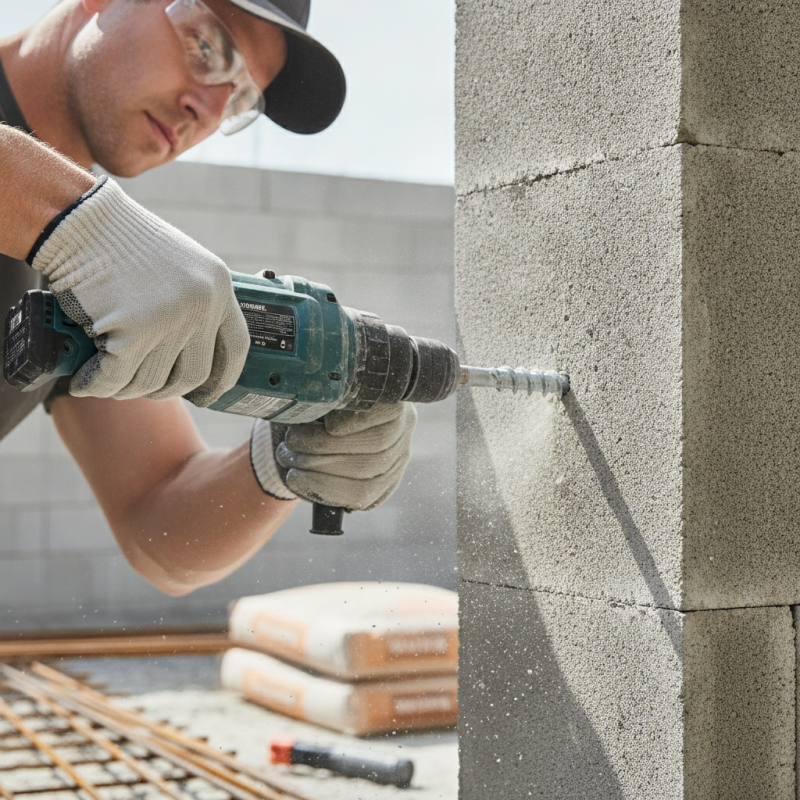
When using self-tapping concrete screws, it’s vital to use the right drill bit. A carbide-tipped bit is recommended to ensure effectiveness. The diameter of the screw and the material thickness will influence the size of the hole needed. Always check for dust in the hole after drilling; this can impact the screw's grip. Over-tightening can cause the screw to snap, so moderate force is key.
Tips: Always wear safety goggles when drilling into concrete. Ensure your work area is clear of hazards. Lastly, periodically inspect your fasteners. Signs of wear or loosening should be addressed immediately. Reliable fastening means a secure build.
Components and Design of Self Tapping Concrete Screws
Self-tapping concrete screws are specialized fasteners designed for use in concrete and masonry. Their design features a sharp tip that allows them to penetrate hard surfaces without the need for a pre-drilled hole. The threads on these screws are uniquely engineered to provide a strong grip in concrete, enhancing their load-bearing capacity. Typically, these screws are constructed from hardened steel, often coated for corrosion resistance.
The components of self-tapping concrete screws include the screw head, shank, and threads. The head is usually designed for easy driving, fitting standard tools. The shank is of a certain diameter to ensure stability. The screw's threads, which are aggressive and sharp, play a crucial role in their performance. They tap into the material as they are driven in, creating a secure hold. However, users should take care to select the right length. Too long, and it may break through; too short, and it won’t anchor properly.
Understanding the design of these screws can significantly affect installation success. Many people overlook the importance of matching the screw size to the application. Improper choices often lead to failure in holding capacity. It’s also essential to consider the stress on the screw. Over-tightening can weaken it, leading to potential issues. Reflecting on these details can prevent costly mistakes and ensure projects are completed successfully.
What is Self Tapping Concrete Screws and How to Use Them? - Components and Design of Self Tapping Concrete Screws
| Component | Description | Material | Size Range | Usage |
| Screw Head | Designed for a tight grip and easy installation | Steel, Coated | #6 to #14 | Used for fastening items to concrete |
| Thread | Self-tapping design facilitates easy penetration | Carbon Steel | 1" to 4" | Suitable for various concrete applications |
| Screw Tip | Sharp point for easy drilling into concrete | Hardened Steel | Varies by application | Ideal for high-density surfaces |
| Coating | Corrosion-resistant properties | Zinc Plated | N/A | Enhances durability in outdoor applications |
Benefits of Using Self Tapping Concrete Screws
Self-tapping concrete screws are engineered for strength and efficiency. They make fastening to concrete or masonry simpler. When installed correctly, these screws create a tight bond that can withstand pressure and stress. According to industry reports, the demand for self-tapping screws has grown by 18% over the past five years. This increase highlights their importance in construction and renovation projects.
One significant benefit of using self-tapping concrete screws is the reduced labor time. Unlike traditional anchors, these screws eliminate the need for pre-drilling holes, which often saves valuable time on job sites. A report from the Fastener Technology International indicated that using self-tapping solutions can decrease installation time by up to 30%. Additionally, their design reduces the risk of slippage, ensuring that fixtures remain secure over time.
However, proper usage is crucial. Misalignment or improper torque can lead to failure. Ensuring the right type of screw for specific materials is key. The fastener must match the load requirements and the application environment. Users should also consider the conditions, such as moisture exposure, as this can impact longevity. Balancing efficiency with careful installation practices remains essential for achieving the best results.
Step-by-Step Guide to Installing Self Tapping Concrete Screws
Installing self-tapping concrete screws requires careful preparation. Begin by gathering essential tools: a hammer drill, a suitable masonry drill bit, and the screws themselves. Ensure your concrete surface is clean and dry. Select the appropriate screw length based on the thickness of the material you are fastening. According to industry standards, the screw should penetrate the concrete by at least 1 inch for optimal hold.
Next, mark your drilling points clearly. Use a tape measure for precise spacing. Drill holes using a hammer drill. Keep a steady hand to avoid wobbling. The hole diameter should match the screw's diameter, typically ranging from 1/4 inch to 3/8 inch. Ensure the depth of the hole equals the screw length plus an additional 1/4 inch. Reports indicate that proper hole depth can enhance the load capacity of up to 30%.
After drilling, clean the holes of dust and debris. This step ensures a tight fit for the screws. Insert the self-tapping screws with a power screwdriver. Apply consistent pressure to drive them into the concrete. Regularly check alignment. If resistance is too high, consider adjusting the hole depth. Following these guidelines can improve the installation process and ensure durability. Remember, proper technique not only enhances performance but also increases safety in construction.
Self Tapping Concrete Screws Usage Statistics
Best Practices for Maintaining and Removing Self Tapping Concrete Screws
Self-tapping concrete screws are essential for various construction tasks. They provide a secure hold in concrete, making them reliable for both indoor and outdoor applications. However, proper maintenance and removal are key to maximizing their effectiveness.
To maintain self-tapping concrete screws, ensure they are clean and free of debris. Regular inspection helps identify any signs of wear or corrosion. If a screw appears rusty, it is prudent to replace it. Over time, concrete can expand and contract, which may loosen screws. Tightening them can restore security, but be cautious not to overtighten. This can damage both the screw and the concrete.
When it comes to removal, patience is vital. Start by applying penetrating oil to ease the process. A dedicated screwdriver or drill can provide the necessary torque. Sometimes, screws may break during removal. If this happens, extraction becomes more complex. Drilling out the remains may be necessary, and you’ll need to consider using a larger screw afterward. Understanding these practices can prevent headaches in the future.

