Top Sleep Monitoring Technology Trends in 2026?
As we approach 2026, the landscape of Sleep Monitoring Technology is evolving rapidly. With a rising focus on sleep health, recent studies indicate that nearly 35% of adults struggle with sleep issues. Experts like Dr. Sarah Miller, a leading researcher in sleep technology, emphasize, “The integration of advanced technology will redefine how we understand and improve sleep patterns." This highlights the crucial role technology plays in monitoring and enhancing sleep quality.
Innovations such as wearable devices and smart home integrations are becoming essential. The global sleep aid market is projected to reach $100 billion by 2026, showcasing an increasing demand for effective solutions. However, not all technology aligns with user needs. There are concerns about data privacy and the accuracy of measurements. Many are left questioning the credibility of these devices.
Despite advancements, some users still experience sleep disturbances. This discrepancy calls for a deeper analysis of how technology can address individual needs. Enhanced algorithms and personalized feedback may pave the way for better outcomes. The journey ahead for Sleep Monitoring Technology is filled with potential yet remains complex, necessitating careful consideration of both innovations and their implications.
The Rise of AI-Driven Sleep Tracking Devices in 2026
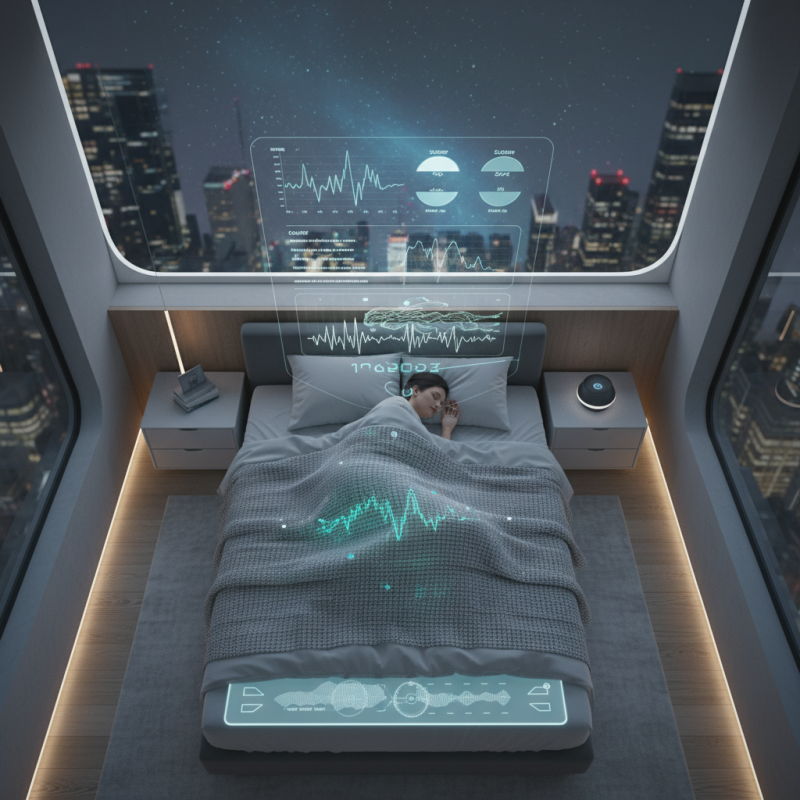
In 2026, AI-driven sleep tracking devices are transforming how we monitor our sleep. These devices use advanced algorithms to analyze sleep patterns. They provide detailed insights into your sleep quality, duration, and disturbances. Wearables are becoming more sophisticated. They offer real-time feedback and personalized recommendations.
Tips: To enhance your sleep experience, consider using an AI-driven device. Look for features like REM tracking and heart rate variability. These can reveal valuable insights about your sleep cycles. Maintaining a consistent sleep schedule is essential. Sleep in a dark, quiet environment to optimize your rest.
While the technology is impressive, it’s crucial to be cautious. Relying solely on devices may lead to anxiety over sleep data. It’s essential to balance tech insights with your instincts. Listen to your body and adjust your habits accordingly. Monitor how you feel instead of obsessing over the numbers.
Integration of Wearable Technology and Sleep Monitoring Solutions
In 2026, the integration of wearable technology with sleep monitoring solutions promises significant advancements. Wearable devices will not only track sleep patterns but also provide deeper insights into sleep quality and overall health. These innovations will likely include advanced sensors capable of detecting variations in heart rate, oxygen levels, and even stress indicators. By utilizing this data, users can receive personalized recommendations to enhance their sleep.
However, it's essential to consider if these technological advancements truly improve sleep or complicate it. While technology offers data-driven insights, excessive tracking may lead to anxiety about sleep quality. Users could become obsessed with metrics, losing sight of the natural aspects of rest. The balance between health monitoring and mental wellbeing must be prioritized.
Many will rely on wearable devices to guide their nighttime routines and daily habits. Yet, it's crucial to recognize the limits of technology. Human biology is complex, and not all sleep disturbances can be quantified or solved through gadgets. As we embrace these innovations, a critical perspective will help in understanding the nuances of sleep health.
Advancements in Non-Invasive Sleep Assessment Techniques by 2026
The landscape of sleep monitoring is rapidly evolving. By 2026, non-invasive sleep assessment techniques are expected to lead the way. Wearable technology and smartphone applications are already improving users' sleep quality. Data from industry reports illustrate that the global market for sleep tech is projected to reach $90 billion by 2026.
Recent advancements include the use of biometric sensors that can monitor sleep patterns in real-time. These sensors provide insights into sleep stages, duration, and disturbances. Importantly, many devices now leverage machine learning algorithms to enhance personalization. Personalized sleep data can help users to better understand their sleep habits.
Tip: To maximize benefits from sleep tech, focus on consistent usage. Regular monitoring can reveal patterns that might otherwise go unnoticed.
However, the accuracy of non-invasive methods still has room for improvement. Some users experience discrepancies between reported data and actual sleep quality. This inconsistency can lead to frustration and skepticism regarding sleep monitoring devices.
Tip: Cross-reference your data with how you feel. This can help to identify whether technology is aligning with your actual sleep experience.
Top Sleep Monitoring Technology Trends in 2026
| Trend | Description | Impact on Sleep Quality | Expected Adoption Rate (%) |
| Wearable Sleep Tech | Advancements in smartwatches and fitness trackers providing real-time sleep monitoring with enhanced sensors. | Improved sleep tracking accuracy leading to better personalized sleep recommendations. | 75% |
| Non-Invasive EEG Monitoring | Using advanced algorithms to assess brainwave activity during sleep without physical contact. | Provides insights into sleep stages, enhancing understanding of sleep disorders. | 60% |
| AI-Driven Sleep Coaching | Applications utilizing artificial intelligence to analyze sleep data and provide tailored coaching advice. | Encourages better sleep habits and behavioral changes for improved sleep health. | 70% |
| Smart Sleep Environments | Integration of smart home technology to optimize bedroom conditions for sleep. | Creates an ideal sleep setting, adjusting temperature, light, and noise levels. | 80% |
| Sleep Data Privacy Solutions | Technologies ensuring the secure storage and transmission of personal sleep data. | Enhances user trust and encourages the adoption of sleep monitoring technologies. | 65% |
Impact of Sleep Data Analytics on Personalized Sleep Improvement Plans
As sleep technology evolves, data analytics plays a pivotal role in crafting personalized sleep improvement plans. Individuals can now utilize detailed sleep metrics to comprehend their unique sleep patterns. This data often includes sleep quality, duration, and disturbances, collected through various devices. By analyzing these patterns, users can identify factors that disrupt their sleep.
Awareness is crucial. Understanding nightly habits helps in making informed changes. For instance, if a person's sleep data shows disturbances during certain activities, they may choose to adjust their evening routines. However, it’s essential to recognize the potential overwhelm that comes with excessive data. Too much information can confuse rather than clarify.
Moreover, the accuracy of sleep data matters. A person's age, lifestyle, and health conditions can affect interpretations of their sleep analytics. What works for one individual may not be effective for another. Personalized plans should take into account these unique situations and variables. Balancing technology's insights with personal experiences creates a more holistic approach to sleep improvement.
Emerging Trends in Consumer Sleep Tech Market Dynamics and Growth Rate
As the consumer sleep technology market evolves, exciting trends are emerging. By 2026, the demand for advanced sleep monitoring devices is expected to surge by 20% annually. This growth is driven by increasing awareness of sleep health's role in overall well-being. More consumers seek tailored solutions to improve sleep quality. Wearable technology remains at the forefront, with features like heart rate monitoring and sleep cycle analysis gaining popularity.
Recent studies show that nearly 60% of adults struggle with sleep-related issues. These issues create a strong market for tech solutions. Companies are exploring innovative features in their devices. Real-time data tracking is vital, and users appreciate instant feedback. However, the challenge lies in ensuring user privacy. As devices collect sensitive data, companies must navigate ethical considerations carefully.
Interest in sleep tech isn't limited to wearables. Smart home devices are becoming integral to sleep environments. For example, lighting systems and temperature controls cater to individual sleep needs. However, as the market grows, consumers must question the sustainability and accuracy of these technologies. Balancing tech convenience with genuine health benefits will be crucial for the future.

