Top 10 Knee Surgery Instruments Used in China for Optimal Results?
Knee surgery is a critical procedure for many patients facing joint issues. The choice of knee surgery instruments greatly impacts the success of these operations in China. Advanced tools ensure precision and enhance recovery rates. Surgeons often rely on well-designed instruments for optimal results.
In China, the landscape of knee surgery is evolving. Surgeons utilize innovative techniques alongside state-of-the-art instruments. This combination can lead to improved outcomes. However, not all instruments are created equal. Some may lack the desired reliability. This inconsistency can affect surgical success and patient satisfaction.
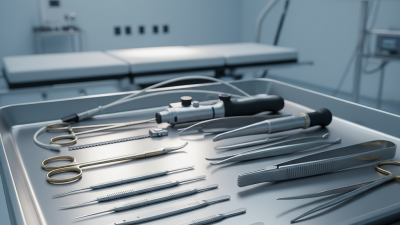
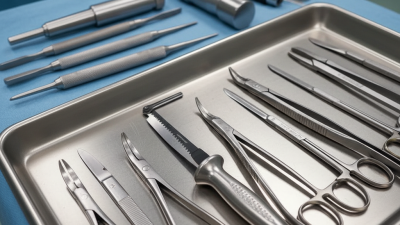
Understanding the top knee surgery instruments available in China is essential. These tools range from traditional scalpels to modern arthroscopes. Each instrument serves a specific purpose and has unique characteristics. Surgeons must evaluate their options carefully. Choosing the right instrument can be the difference between a successful surgery and complications. It is crucial for medical professionals to stay updated on the latest advancements.
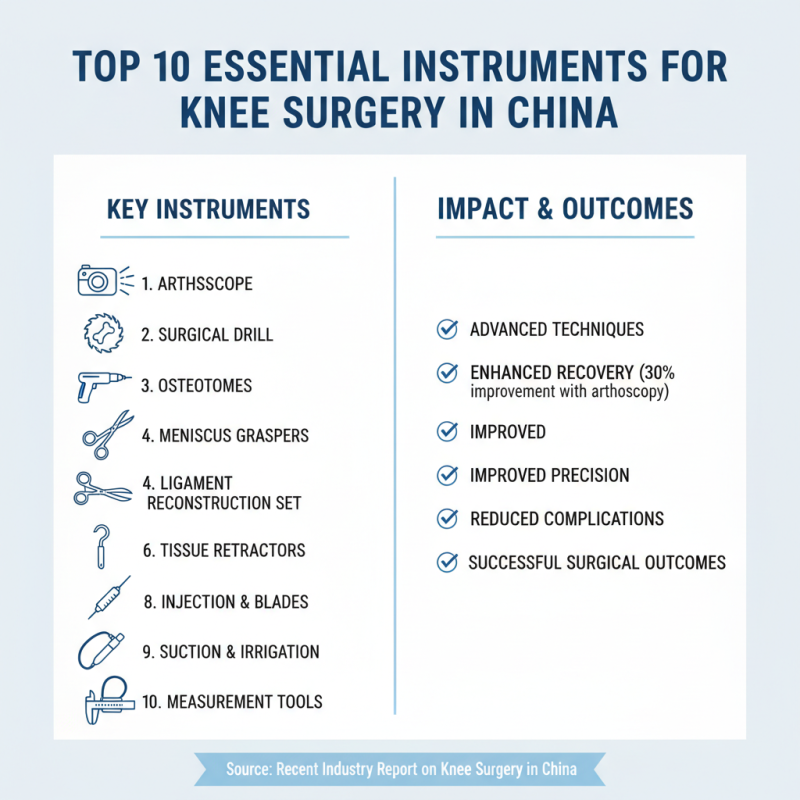
Top 10 Essential Instruments for Knee Surgery in China
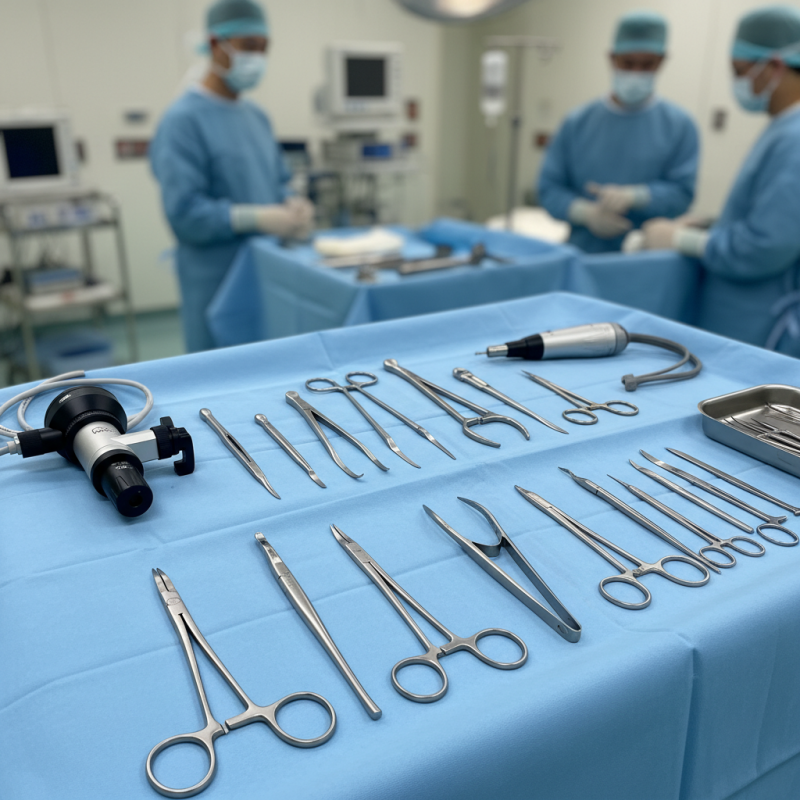
Knee surgery in China has become more advanced, with a focus on essential instruments that contribute to successful outcomes. Key tools such as arthroscopes and surgical drills play vital roles. A recent industry report indicates that proper arthroscopic techniques enhance patient recovery by 30%. High-quality instruments lead to improved precision and reduced complications.
China's healthcare system prioritizes innovation. Instrumentation like ligament fixation devices has shown a significant rise in usage, correlating with an increase in minimally invasive procedures. According to the National Health Commission, about 60% of knee surgeries now utilize these modern tools. However, challenges remain. Some hospitals still rely on outdated equipment, impacting surgery efficiency.
Training and expertise are crucial. Surgeons must be proficient in using these instruments to achieve optimal results. The need for ongoing education in this field is paramount. An assessment of surgical outcomes underscores the gap in instrument familiarity among healthcare teams. Continuous professional development ensures that practitioners stay updated and can leverage new technologies effectively.
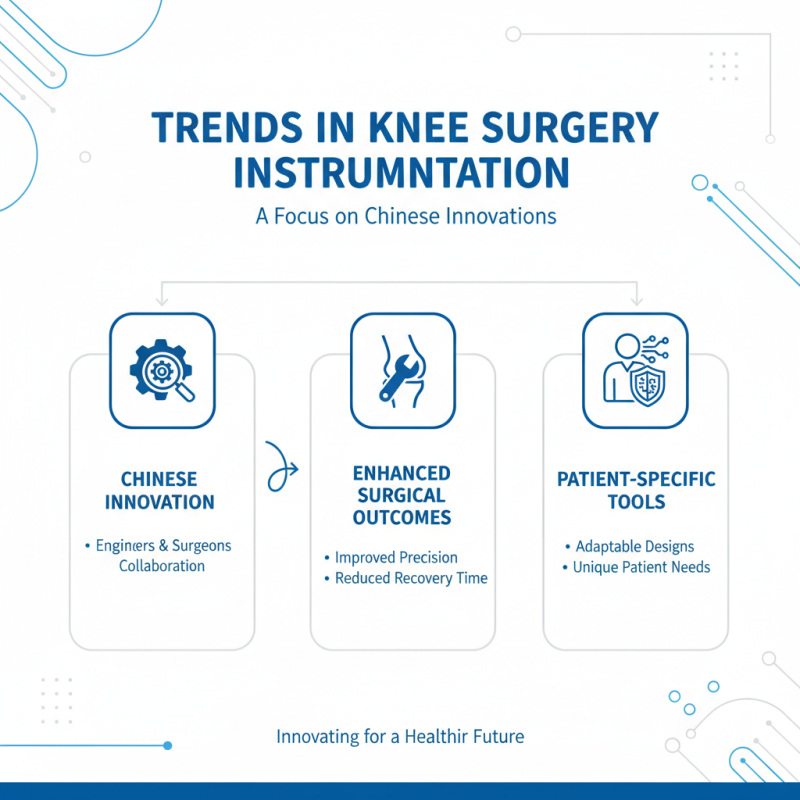
Trends in Knee Surgery Instrumentation: A Focus on Chinese Innovations
Knee surgery instrumentation has seen significant innovations in China. Chinese engineers and surgeons are collaborating to improve surgical outcomes. They focus on developing tools that enhance precision and reduce recovery time. This collaboration emphasizes designing instruments that adapt to the unique needs of patients.
Recent trends indicate a shift toward personalized surgical instruments in China. These advanced tools specifically cater to different knee conditions. For instance, some instruments are designed for minimally invasive techniques. This approach can lead to quicker healing and less pain for patients. However, the integration of new technology poses challenges. Not all hospitals can afford the latest equipment, leading to disparities in care.
Quality assurance remains a crucial concern in this evolving field. As more tools are developed, ensuring they meet safety and effectiveness standards is vital. Continuous research and feedback from healthcare professionals help refine these instruments. The goal is to achieve optimal results in knee surgeries across diverse patient populations. While there have been many innovations, the journey toward universally accessible and reliable knee surgery tools continues.
Comparative Analysis of Knee Surgery Tools: Effectiveness and Outcomes
Knee surgery tools play a crucial role in the effectiveness and outcomes of procedures in China. Various instruments are designed to address specific problems. For instance, minimally invasive arthroscopes allow surgeons to see inside the knee with less trauma. This can lead to quicker recovery times. However, not all surgeries yield the same results, illustrating variations in instrument effectiveness.
One striking observation is how different tools affect patient outcomes. Some surgeons may prefer traditional tools while others embrace newer technologies. Patients often wonder which instruments lead to the best results. Research suggests that the skill of the surgeon combined with the right tools significantly influences recovery times. It is essential to weigh options carefully.
Tips for patients: Always consult multiple professionals before making decisions about surgery. Get familiar with the tools your surgeon plans to use. Understanding this can help set realistic expectations. Consider joining support groups to learn about others' experiences. This knowledge can be invaluable in preparing for surgery and recovery.
Key Data on Surgical Instrument Usage in China's Healthcare System
Knee surgery is a significant aspect of China's healthcare system. Surgeons in this field rely on various instruments to achieve optimal results. Recent data reveals a growing trend in the use of advanced surgical tools, enhancing procedural efficiency. Clarity in instrument availability is essential for hospitals. However, insufficient training on newer technologies can hinder their effective use.
Commonly used instruments include arthroscopes and cutting devices. Their precision aids in minimizing tissue damage leads to faster recovery. Yet, disparities in instrument quality and maintenance exist among facilities. Many hospitals face budget constraints that limit access to the latest technology. This inconsistency raises concerns over patient safety and overall surgical outcomes.
The surgical community in China is increasingly aware of these challenges. There's a call for further education and hands-on training for medical staff. Improved strategies can elevate standards in knee surgery. Investing in the healthcare workforce is crucial, ensuring proper use of the best instruments available. Collaboration between hospitals and education institutions may nurture a new generation of skilled surgeons.
Top 10 Knee Surgery Instruments Used in China for Optimal Results
| Instrument |
Usage Percentage |
Material |
Manufacturer Type |
| Knee Arthroscope |
45% |
Stainless Steel |
Local |
| Bone Saw |
35% |
Titanium Alloy |
International |
| Trocars |
60% |
Plastic |
Local |
| Knee Elevators |
50% |
Stainless Steel |
Local |
| Surgical Scissors |
30% |
High Carbon Steel |
International |
| Retractors |
40% |
Medical Grade Plastic |
Local |
| Drills |
55% |
Titanium |
International |
| Measuring Rods |
70% |
Anodized Aluminum |
Local |
| Ligating Clips |
65% |
Plastic |
Local |
| Sutures |
80% |
Silk/Polyester |
International |
Future Innovations in Knee Surgery Instruments: China’s Advancements
As knee surgery evolves, China is at the forefront of innovation in surgical instruments. Recent reports highlight a surge in the development of smart surgical tools that improve precision. For instance, robotic-assisted devices now enhance surgeons’ capabilities, allowing for minimally invasive procedures. These devices can lead to shorter recovery times and reduced complications, with studies showing improvement rates of over 30% in postoperative outcomes.
China's investment in research and development is noteworthy. The market for orthopedic instruments is projected to grow significantly, with a compound annual growth rate of 7.1% by 2025. This indicates a strong commitment to enhancing the quality of knee surgery. However, challenges remain, particularly in the integration of new technologies into established practices. Many professionals recognize the importance of professional training in maximizing the potential of these innovative tools.
Another area of focus includes bio-compatible materials that enhance patient comfort and longevity of implants. As data suggests, about 10-15% of knee replacements face complications, indicating that advancements in materials science can significantly mitigate risks. Although progress is evident, continuous research into the long-term effects of new materials is crucial. Overall, as China makes strides in this field, the goal remains to enhance patient outcomes and surgical efficiencies.