Top 10 Orthopedic Surgical Instruments You Need to Know?
Orthopedic surgical instruments are essential in the field of medicine. Dr. Sarah Mitchell, a leading orthopedic surgeon, emphasizes, "The right tools can make all the difference in patient outcomes." Understanding these instruments is crucial for both surgeons and medical students.
These tools vary widely, from scalpels to specialized saws. Each instrument serves a unique role during surgery, allowing precise cuts and repairs. However, many beginners overlook the significance of each tool. The lack of familiarity can lead to unnecessary complications. Training and practice are vital.
Professionals often say that mastering orthopedic surgical instruments takes years. The nuances of each tool require deep understanding. There’s always room for improvement. The right training can bridge this gap. This article explores the top ten orthopedic surgical instruments you need to know. Embrace the journey toward mastery.
Overview of Orthopedic Surgery and Its Importance
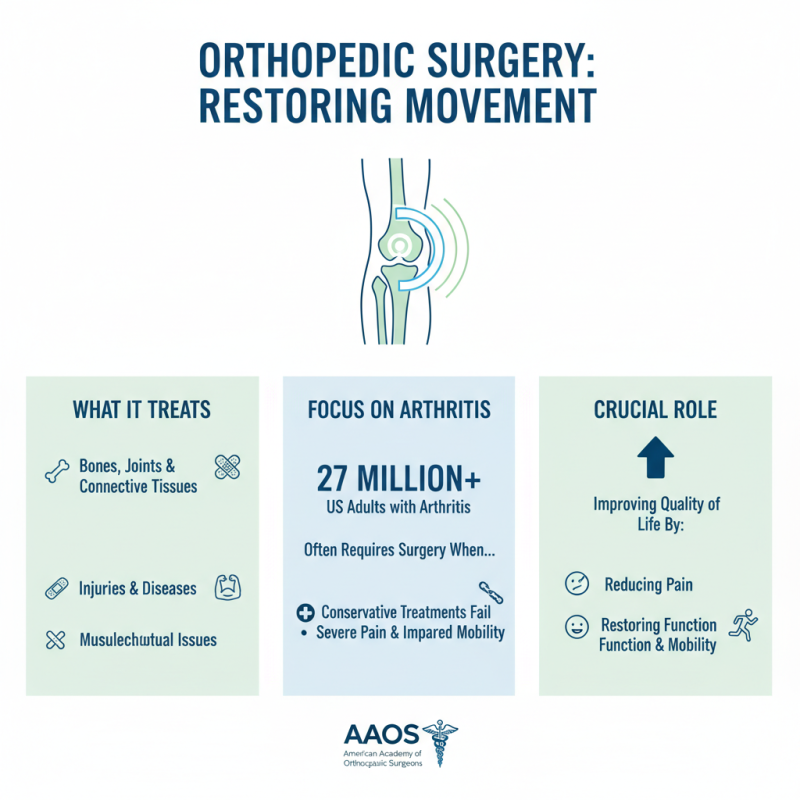
Orthopedic surgery plays a crucial role in treating musculoskeletal issues. It addresses injuries and diseases involving bones, joints, and connective tissues. According to the American Academy of Orthopaedic Surgeons, nearly 27 million adults in the U.S. are living with arthritis. This condition often necessitates surgical intervention when conservative treatments fail.
Statistical data reveals that orthopedic procedures are on the rise. In 2019, the total number of joint replacement surgeries exceeded 1 million in the U.S. alone. This growth highlights the increasing demand for expertise in orthopedic care. However, despite advancements, complications still arise during surgeries. A study indicated that up to 10% of patients may experience postoperative complications, emphasizing the need for proper technique and instrumentation.
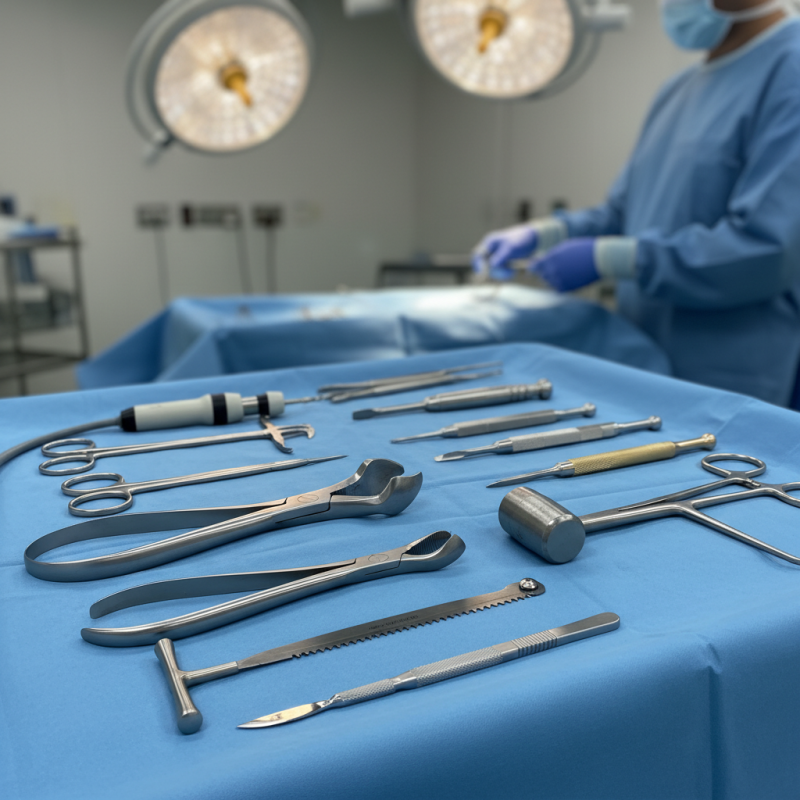
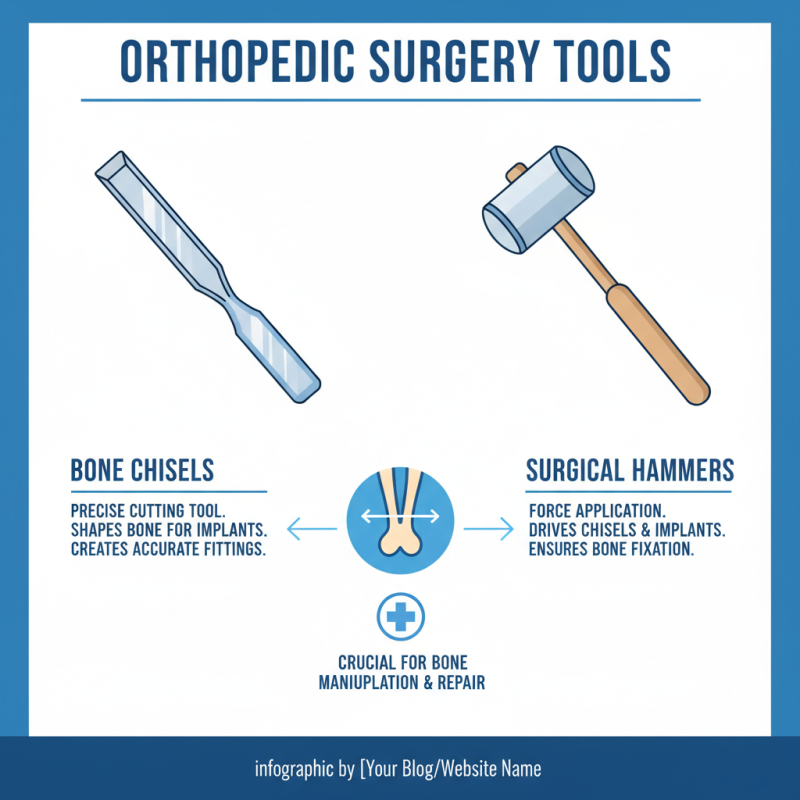
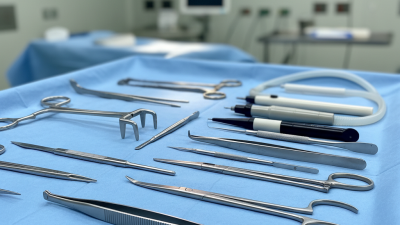
Surgeons rely on various instruments to perform successful procedures. Essential tools include scalpels, forceps, and specialized saws. Each tool serves a unique purpose. However, inadequate training on these instruments may lead to suboptimal outcomes. Surgeons must continuously refine their skills, facing challenges in complex cases. The importance of ongoing education and practice cannot be overstated in this evolving field.
Essential Instruments for Bone Repair and Reconstruction
Orthopedic surgery relies heavily on specialized instruments tailored for bone repair and reconstruction. Among the essential tools, the bone saw plays a crucial role. It enables surgeons to make precise cuts, ensuring a smooth alignment during surgery. The clarity in its design is crucial, though precision is sometimes challenged by the surgeon's own technique. An inadequate grip or positioning can lead to complications, emphasizing the need for constant practice.
Another vital instrument is the surgical drill. This tool allows for the creation of holes in bone, facilitating the insertion of screws and pins. It’s important, however, for the surgeon to control the speed and pressure applied. Too much force can compromise the bone’s integrity, leading to complications or infection. Surgeons must continually refine their skills to avoid such pitfalls.
Forceps and clamps, commonly overlooked, are also key instruments. They help hold tissues and keep the surgical field clear. Many times, they are used in a rush, sometimes resulting in tissue damage. A mindful approach is needed here. Mistakes in handling these instruments can lead to longer recovery times for patients. Each tool has its strengths and weaknesses, reminding surgeons of the constant learning process inherent in orthopedic surgery.
The Role of Surgical Scissors in Orthopedic Procedures
Surgical scissors play a critical role in orthopedic procedures. They are not just tools; they are precision instruments that aid in various tasks. Each type of scissor is designed for specific functions. For instance, some scissors are used for cutting tissue, while others are meant for suturing. The right choice impacts surgical outcomes.
Using scissors in surgery is not straightforward. Surgeons must be careful. The wrong cut can lead to complications. For example, cutting too deeply may damage nerves or blood vessels. This makes training essential. Surgeons spend years perfecting their skills. Every procedure carries risk, and great care minimizes it.
Orthopedic surgeries often involve complex anatomy. Scissors must accommodate this complexity. They should be sharp and easy to maneuver. Yet, the surgeon's hand stability is equally vital. Sometimes, despite all preparation, things go awry. A slight slip can change everything. Reflecting on these experiences helps improve future practices. Each operation teaches valuable lessons.
Top 10 Orthopedic Surgical Instruments You Need to Know
This bar chart illustrates the usage frequency of various orthopedic surgical instruments. Scissors and scalpels are among the most frequently used tools in orthopedic procedures, highlighting their critical role in surgical settings.
Overview of Retractors Used in Orthopedic Surgery
Retractors play a crucial role in orthopedic surgery. These instruments help surgeons maintain visibility and access to the surgical site. They hold back tissues and organs, allowing for a clearer view of bones, joints, and muscles. This visibility is essential during intricate procedures like joint replacements or fracture repairs.
Different types of retractors exist for various needs. Some are handheld, requiring assistance from another person. Others are self-retaining, providing stability and freeing the surgeon's hands. The choice of retractor can greatly impact the surgery's efficiency and outcome. However, using retractors effectively is not without challenges. They can sometimes damage surrounding tissues if not positioned correctly. Surgeons must balance visibility with tissue safety, making careful adjustments throughout the procedure.
Surgeons often reflect on their experiences with retractors. Each case presents unique anatomical challenges. A retractor that works well in one procedure may not be as effective in another. Continuous improvement is vital in mastering the use of these tools. From adjusting depth to angle, thoughtful consideration is needed for optimal results. Ultimately, retractors are essential instruments but require skillful handling and keen judgment.