Top 10 OT Instruments Every Therapist Should Know?
Occupational therapists play a crucial role in improving clients' daily lives. To do this effectively, they rely on various OT instruments. These tools can enhance therapy sessions and promote engagement. Understanding which instruments are essential is key for therapists at any level.
Each OT instrument serves a specific purpose. For instance, fine motor tools help with hand coordination. Sensory integration tools can assist in managing sensory processing issues. It's not just about having these instruments; it's about knowing how to use them appropriately. Many therapists struggle to keep their toolkits updated. This can affect the quality of therapy provided.
Selecting the right OT instruments is a skill that takes time to develop. Some instruments may not resonate with every client. Reflecting on past experiences can help therapists refine their choices. The journey of mastering OT tools is ongoing and requires openness to learning and adaptation. Understanding these instruments is crucial for effective therapy delivery.

Essential Role of Occupational Therapy Instruments in Patient Care
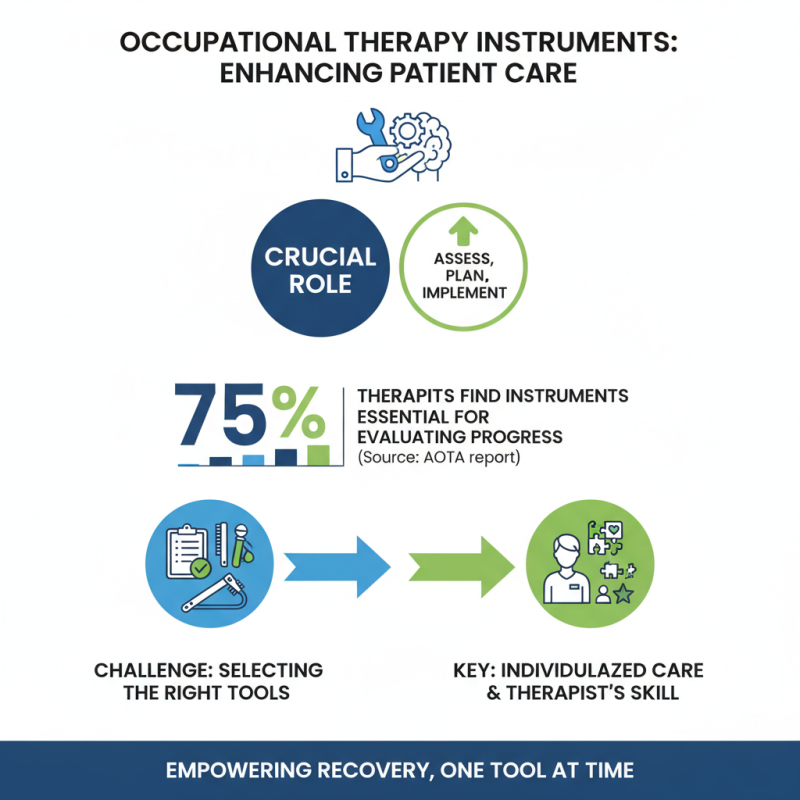
Occupational therapy (OT) instruments play a crucial role in enhancing patient care. These tools help therapists assess, plan, and implement effective treatment strategies. A report from the American Occupational Therapy Association highlights that 75% of therapists find specific instruments essential for evaluating patient progress. However, the challenge lies in selecting the right tools for individualized care. Not all instruments fit every patient, and a therapist’s skill in choosing the appropriate one is vital.
Functional assessments like the Performance Skills Assessment can provide insight into a patient's daily activities. Yet, many therapists do not fully utilize these assessments. A study indicated that only 50% of OTs feel confident in their assessment skills. This gap suggests a need for ongoing education and training in using OT instruments effectively. Incorporating tools like adaptive equipment can significantly improve patient outcomes, but therapists must balance resource access with practical application.
Key Factors in Selecting OT Instruments for Therapists
Selecting the right occupational therapy instruments is crucial for effective treatment. A recent report from the American Occupational Therapy Association (AOTA) indicates that therapists who match tools with client needs see a 30% increase in engagement. Thus, understanding the client's unique challenges is essential when choosing instruments.
When evaluating instruments, consider durability and usability. Some tools may appear effective but may not hold up under regular use. For instance, a study highlighted that 40% of therapists reported equipment failure impacting patient outcomes. Accessibility is another factor. Instruments should be easy to obtain for therapists, ensuring they can consistently deliver care. The time spent sourcing tools can detract from therapy hours, a concern for busy practitioners.
Choosing instruments based solely on trends can be misleading. While innovative tools are appealing, they must align with therapeutic goals. If a tool does not facilitate meaningful interaction or progress, it might be wasted investment. Therapists should reflect regularly on their toolkits. This process can reveal gaps in effectiveness and inform future selections. The right balance can transform therapeutic practices and improve overall patient satisfaction.
Top 10 OT Instruments Every Therapist Should Know
| Instrument |
Primary Use |
Target Population |
Key Features |
| Therapy Putty |
Hand Strengthening |
Adults & Children |
Different resistance levels |
| Fine Motor Tools |
Dexterity Improvement |
Children |
Variety of grips and shapes |
| Sensation Kits |
Sensory Integration |
Children with Autism |
Different textures and weights |
| Adaptive Utensils |
Eating & Drinking |
Elderly & Stroke Survivors |
Ergonomic designs |
| Balance Boards |
Balance & Coordination |
All ages |
Stability challenges |
| Weighted Blankets |
Calming Sensory Input |
Children & Adults |
Variety of weights |
| Therapy Balls |
Core Strength & Coordination |
Children |
Different sizes and firmness |
| Visual Sensory Aids |
Vision Therapy |
Children with Visual Impairments |
Colorful patterns and lights |
| Therapeutic Games |
Skill Development |
All ages |
Engaging and interactive |
Overview of the Top 10 OT Instruments and Their Uses
Occupational therapy (OT) instruments play a crucial role in enhancing patients' recovery and skills. Understanding these tools is essential for every therapist. One widely used tool is the fine motor skills kit. It often includes items like beads and buttons. These simple objects allow patients to practice hand movements. A therapist can guide them to improve dexterity, but results may vary. Sometimes, patients struggle to engage, which requires further motivation strategies.
Another common instrument is the sensory integration kit. This kit offers a range of textures, sounds, and colors to stimulate senses. Practicing with these materials helps individuals become more aware of their surroundings. However, some may feel overwhelmed by too much stimulation. Therapists must carefully assess each patient's comfort level before introducing new elements.
Visual aids, like adaptive calendars, are helpful for those needing organizational skills. These tools can help maintain structure in daily activities. Yet, their effectiveness largely depends on user adoption. Some patients find new aids challenging initially, necessitating patience and guidance from therapists. Ultimately, the key lies in understanding individual needs and adapting tools accordingly.
Guidelines for Effective Implementation of OT Tools in Therapy
Effective implementation of occupational therapy (OT) tools requires a thoughtful approach. Each instrument serves a unique purpose. Selecting the right one can enhance therapy outcomes. Therapists must match the tool to the client's needs. This connection is crucial for meaningful engagement. Observing client responses can guide adjustments.
Creating a supportive environment is also vital. Patients should feel comfortable and safe. It’s important to explain how each tool works. This builds trust and encourages participation. Encouraging feedback from clients helps refine the process. Regular reflection on the sessions can identify what works and what doesn’t.
Not every tool will fit perfectly. Some may require adaptations for specific conditions. Flexibility is key in utilizing these instruments. Being open to change fosters growth for both therapist and client. Mistakes will happen; they are part of the learning process. Embracing imperfections leads to better practices. Understanding this can deepen the therapist-client relationship and enhance effectiveness.
Future Trends in Occupational Therapy Instruments and Techniques
The field of occupational therapy is evolving rapidly. New instruments and techniques are emerging. These advancements promise to enhance therapy outcomes. Therapists need to stay informed about these changes. Integrating technology into therapeutic practices is one key trend. Devices like virtual reality are becoming more common. They provide immersive experiences that can enhance engagement.
Wearable devices are also gaining traction. They track progress and encourage active participation. Therapists can tailor programs based on real-time data. This personalization improves overall effectiveness. However, some therapists may find technology intimidating. Not every practitioner is comfortable with high-tech tools.
Another trend to watch is a focus on holistic approaches. Therapists are looking beyond physical ailments. They are considering emotional and psychological well-being. Instruments that promote mindfulness and relaxation are increasing in use. This creates a more comprehensive treatment plan. Yet, it's important to remember that not all tools will suit everyone. Each patient is unique, and customization is essential. Being open to new methods is vital but challenging. Balancing traditional techniques with innovative tools will require continual reflection and adaptation.