Top 10 All Surgical Instruments in China You Should Know?
In the world of healthcare, all surgical instruments play a crucial role. These tools are vital for ensuring patient safety and successful outcomes. Every surgeon depends on precise instruments tailored for specific procedures. Understanding these tools is essential for medical professionals and students alike.
China has emerged as a significant player in the production of all surgical instruments. This growth reflects advancements in technology and manufacturing capabilities. Some instruments are renowned for their quality and innovation. However, navigating this market requires careful consideration of reliability and safety.
It is essential to explore the top surgical instruments available in China. Not every product is created equal, and some may not meet international standards. By identifying the most trusted options, healthcare providers can enhance their practice. Investing time in research is necessary to select the right instruments for various surgical procedures.
Overview of Surgical Instruments in China
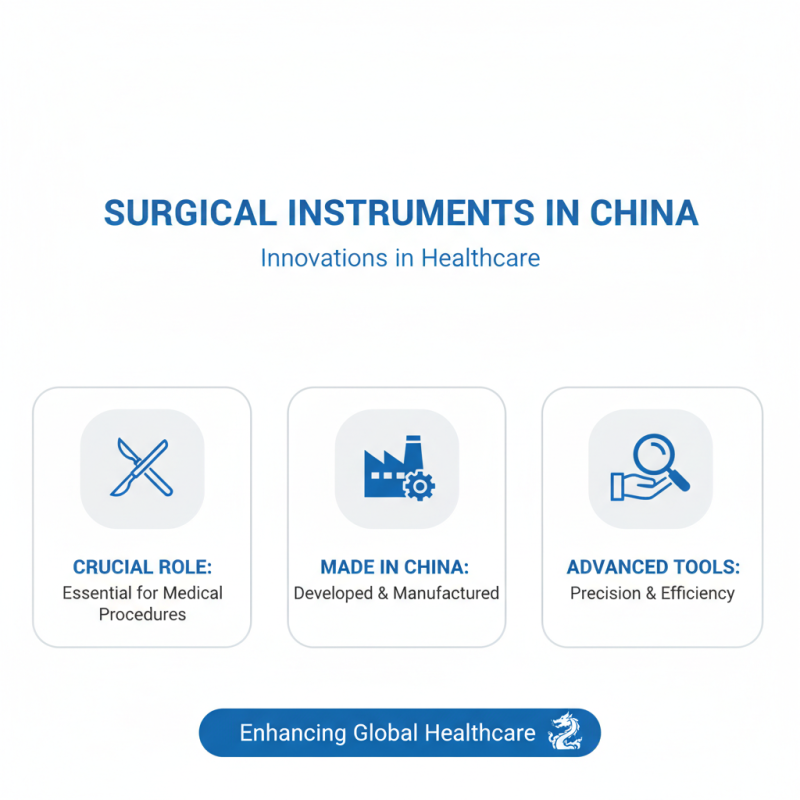
Surgical instruments play a crucial role in medical procedures. In China, many types of surgical instruments are developed and manufactured for various medical specialties. The country's focus on healthcare innovation has led to the rise of advanced tools that enhance surgical precision and efficiency.
Understanding the different surgical instruments is essential for healthcare professionals. Common tools include scalpels, scissors, forceps, and sutures. Each instrument serves a specific purpose, and the correct choice can significantly impact surgical outcomes. Training in using these tools properly is vital. It ensures safety and effectiveness.
**Tip:** Always maintain your instruments. Proper cleaning and sterilization prevent infections. Check for wear and tear regularly.
Surgical instruments come in various materials, including stainless steel and titanium. Each material has unique properties. Stainless steel is common due to its strength and resistance to corrosion. However, it can sometimes be prone to scratches. This can affect usability.
**Tip:** Invest time in learning about new models and technologies. Staying updated keeps you informed about innovative solutions in surgery.
Significance of Surgical Instruments in Modern Medicine
Surgical instruments play a crucial role in modern medicine. They are essential tools that facilitate procedures ranging from simple examinations to complex surgeries. A well-designed instrument can improve the accuracy of a surgical procedure. However, not all instruments are created equal, and their effectiveness can vary significantly.
The significance of surgical instruments extends beyond functionality. They also affect patient safety and recovery times. For instance, poor-quality instruments can lead to complications. A surgeon’s skills and expertise, combined with dependable tools, can significantly enhance surgical outcomes. This relationship emphasizes the need for high standards in instrument manufacturing.
Moreover, the choice of instruments can reflect the evolving nature of medical practice. Innovations in technology have led to more specialized instruments that address specific surgical needs. Yet, there remains a gap in accessing these advanced tools in some regions. This disparity raises questions about healthcare equity. Each instrument used has a story, demanding continuous reflection on how they can be improved for better patient care.
Top 10 Surgical Instruments in China
Types of Surgical Instruments Commonly Used
Surgical instruments play a critical role in medical procedures. You might wonder about their types and purposes. Understanding these tools can enhance your appreciation of surgery.
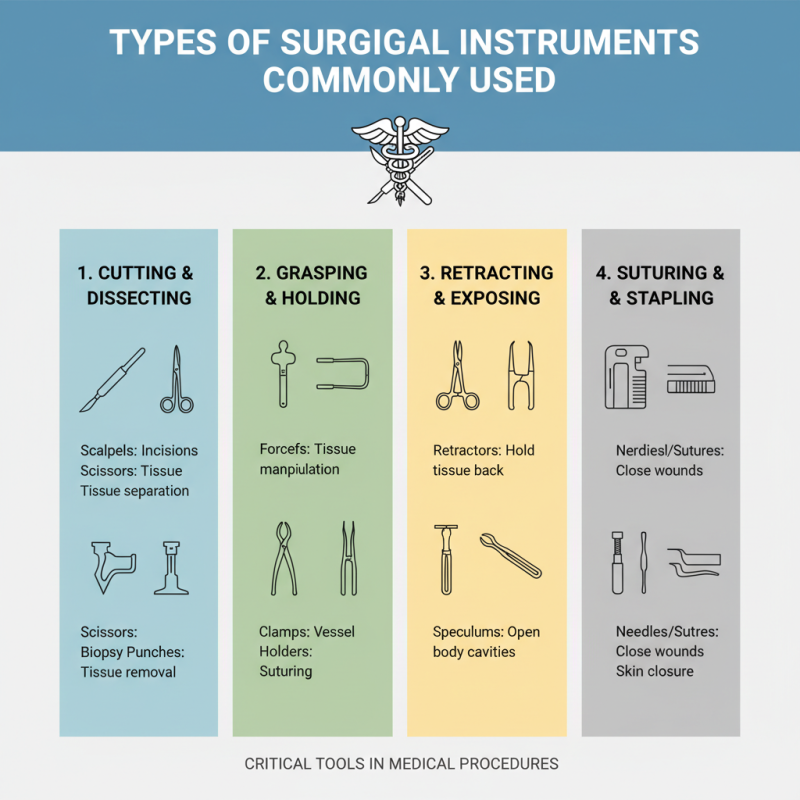
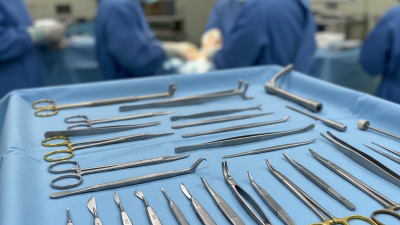
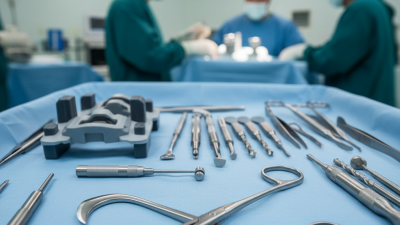
Commonly used surgical instruments include scalpels, scissors, forceps, and needle holders. Scalpels are crucial for making incisions. They come in various shapes and sizes. Scissors are used to cut tissues or sutures. Their sharp edges enable precision. Forceps grab and hold tissues during surgery. They vary in design, providing versatility.
Each instrument has a specific function, yet no design is perfect. Scalpels can dull quickly, impacting surgeries. Scissors might not always provide the desired cut. Forceps can slip if not handled properly. Continuous improvement and training are essential in mastering these tools. The surgical field demands ongoing learning to ensure the effectiveness of these instruments.
Top 10 Surgical Instruments Manufactured in China
Surgical instruments play a vital role in healthcare, especially in a rapidly growing market like China. The demand for high-quality surgical instruments is rising, and China is a leading manufacturer. According to a report by Market Research Future, the global surgical instrument market is expected to reach $20 billion by 2025, with a significant contribution from Chinese manufacturers.
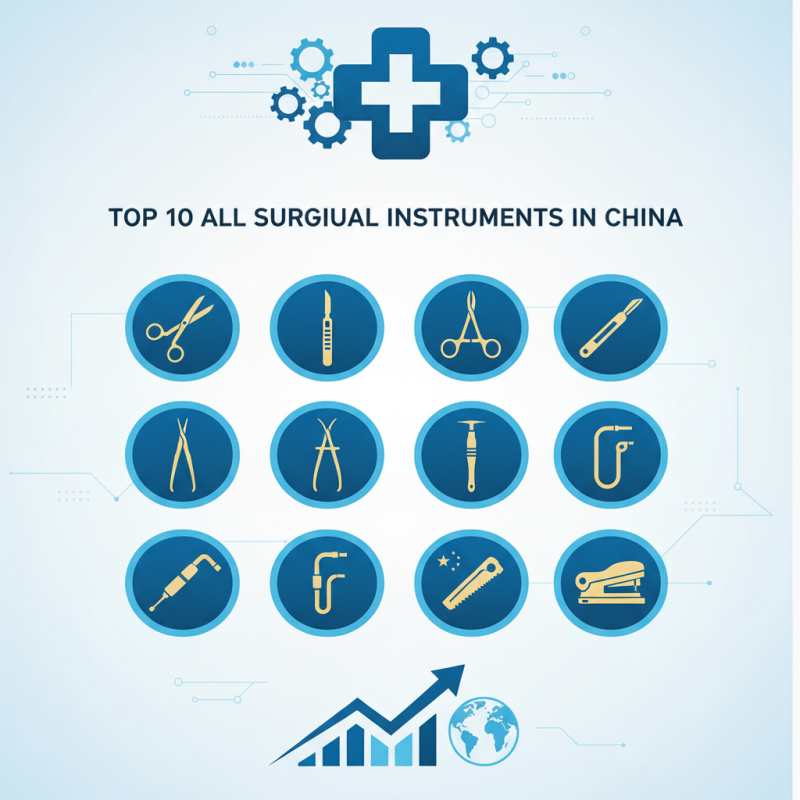
Among the top surgical instruments manufactured in China are scalpels, forceps, and scissors. These tools are essential for various procedures, ranging from simple cuttings to intricate surgeries. China produces these instruments using advanced materials and techniques. However, quality control remains a critical issue. Some low-cost instruments may lack durability and precision. The challenge lies in balancing affordability with quality.
Additionally, the landscape of surgical instruments is constantly evolving. Innovations in design and functionality are emerging, driven by technological advancements. Disposable surgical instruments are gaining popularity due to their convenience and reduced risk of infection. However, there is ongoing debate about their environmental impact and sustainability. As the industry grows, manufacturers must reflect on these issues to ensure long-term viability.
Top 10 All Surgical Instruments in China You Should Know
| Instrument Name |
Material |
Usage |
Size |
Manufacturer Location |
| Scalpel |
Stainless Steel |
Incision |
Varied |
China |
| Surgical Scissors |
Carbon Steel |
Cutting |
6-12 inches |
China |
| Hemostatic Forceps |
Stainless Steel |
Clamping |
5-8 inches |
China |
| Needle Holder |
Stainless Steel |
Suturing |
5-8 inches |
China |
| Scissors for Sutures |
Stainless Steel |
Suture Removal |
4-6 inches |
China |
| Tissue Forceps |
Stainless Steel |
Grasping |
5-10 inches |
China |
| Suction Devices |
Plastic/Metal |
Fluid Removal |
Varied |
China |
| Electrosurgical Devices |
Metal |
Cutting/Coagulating |
Varied |
China |
| Laparoscopic Instruments |
Stainless Steel |
Minimally Invasive Surgery |
Varied |
China |
| Anesthesia Masks |
Silicone |
Anesthesia Delivery |
Varied |
China |
Future Trends in Surgical Instrument Production and Innovation
The future of surgical instrument production in China points toward significant innovation and sophistication. Emerging technologies such as 3D printing and robotics accelerate the creation of customized instruments. These advancements allow for improved precision and reliability in surgical procedures.
Tips: Always stay updated with the latest trends. Attend industry conferences or workshops. Engage with professionals in the field to share knowledge.
In addition to technology, eco-friendly materials gain traction. As awareness of environmental impact grows, manufacturers explore sustainable alternatives. This shift not only benefits the planet but also attracts ethically-conscious buyers.
Tips: Consider sustainability in your purchasing decisions. Ask suppliers about their materials and practices. Support companies that prioritize eco-friendly solutions.
Overall, the landscape of surgical instruments is transforming. Continuous improvements in design and function are expected. However, challenges remain, such as balancing cost and quality. Reflections on these issues are crucial for future growth.