Top 10 Surgical Tools Every Buyer Should Know About?
The surgical tools industry is essential in providing the necessary equipment for various medical procedures. According to a report by Grand View Research, the global surgical instruments market is expected to reach $20.7 billion by 2025, driven by advancements in technology and increasing surgical procedures. Experts emphasize the importance of understanding these tools before making informed purchasing decisions.
Dr. Emily Carter, a renowned surgeon and industry consultant, once stated, "The right surgical tools can make a significant difference in surgical outcomes." Her insights highlight how vital it is to choose the appropriate instruments for successful operations. Each tool serves a specific function, from scalpels to forceps, influencing precision and effectiveness.
While the variety of surgical tools can be overwhelming, it's crucial for buyers to recognize the essential items. With constant innovations in the field, staying updated on the best tools is not just desirable; it’s necessary. Identifying reliable suppliers and understanding tool specifications can impact healthcare quality. There is often a pressure to select tools based on branding rather than functionality, which requires careful consideration and expertise.
Understanding the Importance of Surgical Tools in Medicine
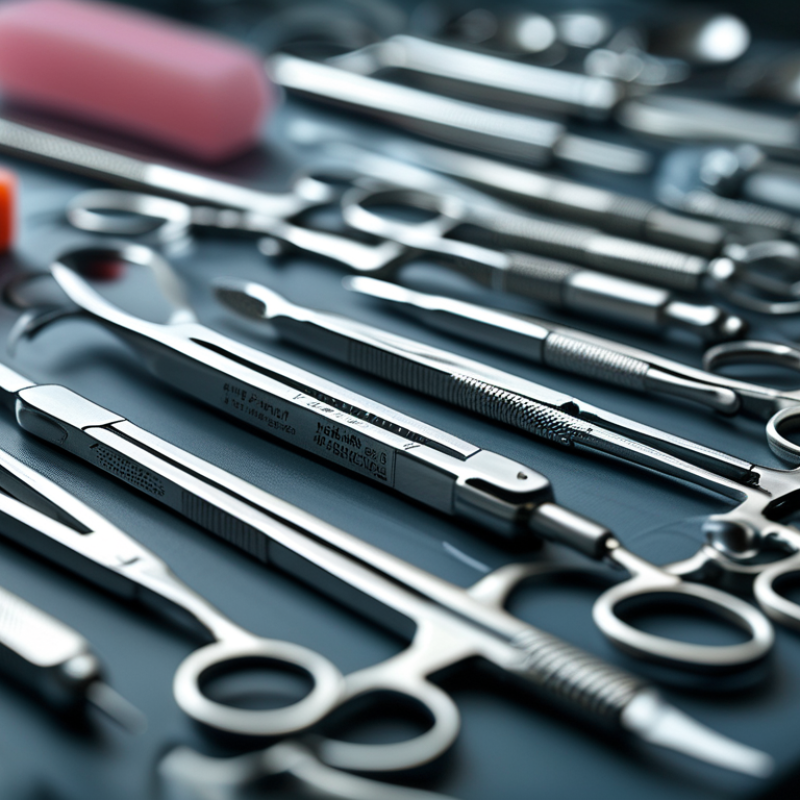
Surgical tools play a crucial role in modern medicine. They directly impact patient outcomes. In fact, a study by the World Health Organization indicated that nearly 50% of surgical complications can be linked to tool-related errors. Understanding which tools are essential can significantly enhance surgical safety and efficiency.
Surgical instruments, such as scalpels, forceps, and sutures, are not just tools; they are extensions of a surgeon's skill. The precision of these instruments can determine the difference between success and failure in operations. According to a 2022 report from the American College of Surgeons, accurate instrumentation leads to a 30% decrease in post-operative complications. This statistic underscores the importance of selecting the right tools for each procedure, as even minor discrepancies can lead to major issues.
However, not all surgical tools remain equally reliable. Some instruments can wear down over time, affecting their performance. Data suggests that 15% of surgical instruments are not adequately maintained. This neglect can lead to increased surgical risks. Regular training and maintenance checks are necessary to uphold patient safety and surgical standards. Understanding these nuances in surgical tools is vital for healthcare providers and buyers alike.
Essential Characteristics of High-Quality Surgical Instruments
When selecting surgical instruments, understanding their essential characteristics is crucial. High-quality surgical tools exhibit precision, durability, and ergonomic design. According to a report from the Association for the Advancement of Medical Instrumentation (AAMI), nearly 50% of surgical tool failures can be traced back to manufacturing defects. This highlights the need for buyers to focus on quality.
Materials play a significant role in the longevity and effectiveness of surgical instruments. Instruments made from stainless steel are often preferred due to their resistance to corrosion and wear. A study from the Journal of Surgical Research reported that instruments made from high-grade stainless steel maintained their sharpness longer than others. It is necessary to check for consistency in the manufacturing process and certifications from established regulatory bodies.
Ergonomics cannot be overlooked. Surgical outcomes depend heavily on the surgeon’s comfort and the instrument's handling. Products that fit well in hand and feel balanced make a significant difference. Yet, not all designs meet these ergonomic standards, and some instruments can lead to discomfort over prolonged use. Regular feedback from users helps continuously refine instrument design. Buyers must remain vigilant about these factors, ensuring they invest in tools that truly enhance surgical performance.
Top 10 Surgical Tools Every Buyer Should Know About
| Surgical Tool |
Material |
Size |
Usage |
Care Instructions |
| Scalpel |
Stainless Steel |
Varies (sizes 10-20) |
Incisions |
Sterilize before use |
| Hemostat |
Surgical Steel |
5-8 inches |
Clamping blood vessels |
Clean after each use |
| Scissors |
Titanium / Stainless Steel |
4-10 inches |
Cutting tissues |
Lubricate regularly |
| Forceps |
Stainless Steel |
Varied |
Grasping tissues |
Sterilize after use |
| Scissors |
Stainless Steel |
Standard sizes |
Cutting sutures |
Clean and sterilize |
| Needle Holder |
Stainless Steel |
6-8 inches |
Holding needles for sutures |
Ensure alignment and clean |
| Suction Device |
Plastic / Stainless Steel |
Regular size |
Removing fluids |
Wash and sterilize |
| Electrocautery |
Metal |
Varied |
Cutting and coagulating |
Inspect for damage before use |
| Clamp |
Stainless Steel |
5-12 inches |
Securing blood vessels |
Clean and sterilize |
| Retractor |
Stainless Steel |
Varied sizes |
Holding back tissue |
Sterilize and check edges |
Top 10 Must-Have Surgical Instruments for Medical Professionals
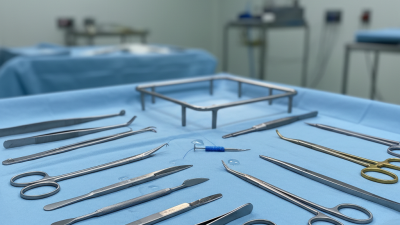
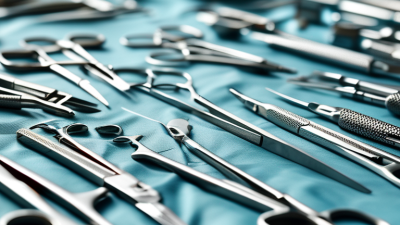
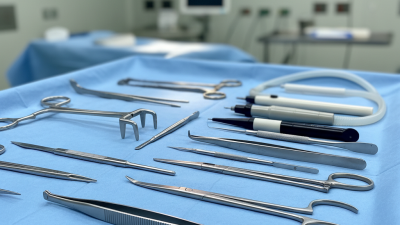
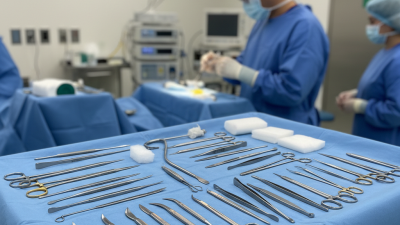
In the realm of surgical practice, possessing the right instruments is paramount. Each tool serves a distinct purpose that directly impacts patient outcomes. Medical professionals must carefully select these instruments to ensure efficiency and precision. Essential instruments include scalpels, scissors, forceps, and needle holders. Each of these tools aids in tasks from making incisions to suturing wounds. They should be regularly maintained and sterilized to uphold safety standards.
Understanding the intricacies of these surgical tools is vital. For example, improper handling of a scalpel can lead to complications or delays. It's crucial for surgical teams to train regularly on their use. Knowledge enhances familiarity with the tools, fostering confidence in critical situations. Additionally, every medical professional should evaluate the quality and condition of their instruments often. Investing time in this aspect can yield better surgical outcomes.
While advancements in technology provide new tools, traditional instruments remain indispensable. Some professionals may overlook the importance of mastering basic tools in favor of newer options. This can lead to a lack of skill with fundamental equipment. Continuous education and practice are essential. Above all, a solid understanding of surgical instruments forms the backbone of effective medical care.
The Role of Surgical Tools in Enhancing Patient Safety
Surgical tools play a pivotal role in enhancing patient safety during medical procedures. According to a report by the World Health Organization, proper surgical instrument usage can reduce operative complications by up to 50%. Each tool, from scalpels to forceps, is designed to minimize risk and improve outcomes. For example, the precision of a scalpel allows for clean incisions, which can lead to quicker healing times and less infection.
Investment in high-quality surgical instruments is vital. Studies show that hospitals with standardized tool sets report a 30% decrease in surgical errors. However, many healthcare facilities still face challenges. Regular maintenance and training on new tools are often overlooked, risking patient safety. The common issue of unsterilized equipment is another area for reflection. While protocols exist, they are sometimes not followed rigorously, leaving room for improvement.
Furthermore, the integration of technology in surgical tools is increasing. Tools equipped with smart sensors can offer real-time feedback to surgeons, further enhancing precision. Yet, reliance on technology poses risks too. Systems can fail, and staff may not be trained adequately. Continuous education and practice are essential. Thus, while surgical tools are critical for patient safety, the systems supporting their use must be consistently evaluated and improved.
Top 10 Surgical Tools and Their Impact on Patient Safety
This chart illustrates the top 10 surgical tools frequently used in surgeries, emphasizing their importance and frequency of use, which ultimately contributes to enhancing patient safety during surgical procedures.
Maintenance and Care Tips for Surgical Instruments
Proper maintenance of surgical instruments is crucial. Regular care ensures their longevity and functionality. Instruments that are not maintained can lead to complications during procedures. Simple cleaning methods can make a huge difference.
Always clean instruments immediately after use. This prevents blood and tissue from drying on the surfaces. Use appropriate cleaning solutions, and avoid abrasive materials. Sterilization is essential. Instruments should be sterilized following manufacturer guidelines. Regular checks for wear and tear are necessary too. Small dents or nicks can compromise an instrument's effectiveness.
Storage matters as well. Keep instruments in a dry, organized area to avoid damage. For delicate tools, padded trays offer good protection. Label categories for easy access. Avoid overcrowding, as this can lead to scratches or breakage. Reflecting on these practices can show areas for improvement.