Top 5 Vascular Access Devices at the 139th Canton Fair 2026?
The 139th Canton Fair in 2026 is an essential platform highlighting innovative medical technologies. Among the featured products, Vascular Access Devices stand out due to their crucial role in patient care. With advancements in engineering and materials, these devices are becoming more efficient and safer.
During the fair, attendees can explore various Vascular Access Devices from numerous exhibitors. The integration of AI technology enhances the experience by allowing buyers to find suppliers with relevant certifications quickly. This improvement facilitates more focused discussions on product capabilities and innovations.
However, while the fair presents an excellent opportunity, it also invites reflection on the quality standards of these devices. The rapid advancements in technology raise questions about regulatory compliance and safety. As visitors engage with providers, they must critically evaluate these new technologies.
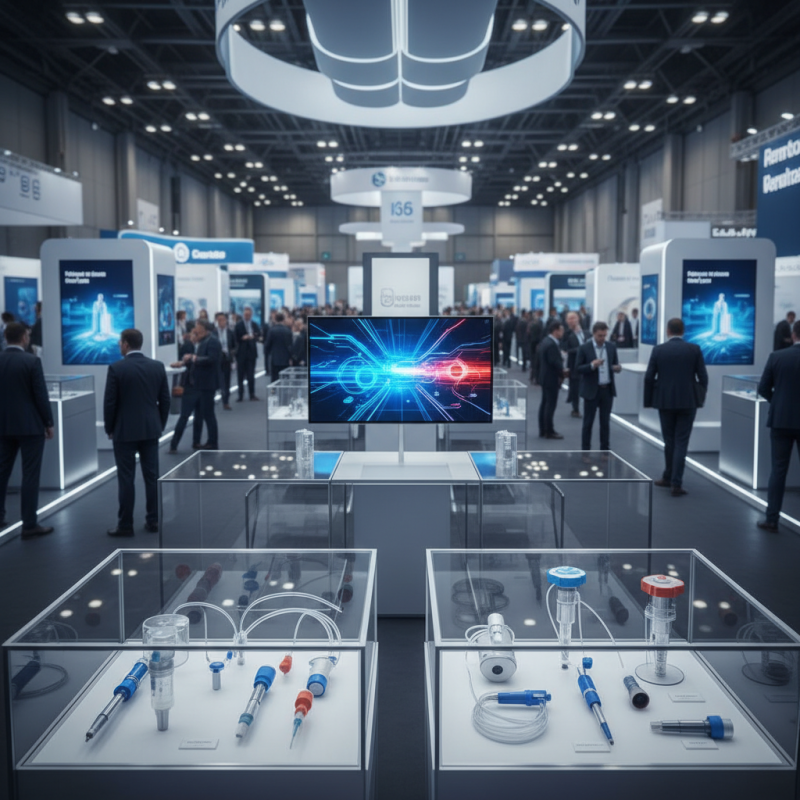
Top 5 Vascular Access Devices Showcased at the 139th Canton Fair 2026
The 139th Canton Fair 2026 is set to highlight the latest innovations in vascular access devices. This year, the focus is on efficiency and patient safety. Exhibitors will showcase devices that prioritize quick insertion and reduced risk of complications. Expect to see a variety of options designed for different medical needs.
One standout feature is the improved materials used in these devices. Many are now more flexible yet durable. The designs allow for better visibility and easier access during procedures. However, some designs seem complicated, leading to confusion among healthcare professionals. Training will be crucial to ensure proper use.
Tips: Familiarize yourself with the new designs before the fair. Consider the pros and cons of each device. Always prioritize patient safety during your selection. The right choice can lead to better outcomes. Reach out to manufacturers for demonstrations and additional information. This will help clarify any doubts regarding complex devices.
Comparative Analysis of Vascular Access Device Trends in 2026
The 139th Canton Fair in 2026 showcased a range of innovative vascular access devices. Industry trends indicate a shift towards more patient-friendly designs. Many new devices focus on reducing discomfort and improving ease of use. Flexibility in material and design has become crucial.
Some devices featured smart technology. These innovations track patient data in real-time. However, reliance on technology raises concerns about data security. Many healthcare professionals are wary of potential breaches. The balance between innovation and safety remains a topic for discussion.
Another trend emerged around the sustainability of materials used. Eco-friendly options are gaining traction. Yet, questions linger about the durability of these alternatives. Cost is also a significant factor. While some products are environmentally sound, they may not be financially viable for all institutions. The industry must address these complex issues moving forward.
Innovations in Vascular Access Devices: Key Features and Benefits
The 139th Canton Fair in 2026 showcased a range of vascular access devices that promise to enhance patient care. Innovation in this sector is vital, as evidenced by a report from the World Health Organization, stating that improved vascular access can reduce complications by up to 25%. Medical professionals are always seeking devices that offer greater safety and reliability.
Key features of modern vascular access devices include user-friendly designs and improved materials. For instance, devices that utilize biocompatible materials can minimize adverse reactions. Additionally, some devices now incorporate smart technology, which allows for real-time monitoring of insertion sites. This proactive approach can lead to quicker interventions and improved patient outcomes.
Tips for selecting vascular access devices involve considering the ease of use and safety features. Look for devices with intuitive designs, as they can significantly reduce the chance of errors during insertion. Another consideration is the device's capacity to minimize infection risk. Infections related to vascular access can complicate treatment, and selecting devices with enhanced protective features is crucial.
It's essential to remember that these innovations are not without challenges. Some devices can be costly, and healthcare providers must balance budget constraints with the need for quality. Users should remain vigilant and assess the effectiveness of new devices, as not every innovation results in improved patient care.
Market Demand for Vascular Access Devices: Statistics and Projections
The demand for vascular access devices has surged recently. The global vascular access market was valued at around $5 billion in 2022. Reports project a compound annual growth rate (CAGR) of 7.2% from 2023 to 2030. This growth is driven by the rising prevalence of chronic diseases and an aging population. More patients require vascular access for treatments.
According to market analysts, the need for improved healthcare infrastructure contributes to this trend. Statistically, developing regions may face challenges in meeting these demands. Many healthcare systems lack adequate resources. This gap could hinder the efficiency of vascular access device deployment. Industry experts emphasize the necessity for better training. Proper education on device usage is essential for healthcare professionals.
Furthermore, innovation is critical in this sector. Advanced materials and technologies are emerging. Still, some devices are not user-friendly. Streamlining design could enhance user experience. A balance between innovation and practicality remains key. Challenges persist, but awareness is increasing. This growth presents many opportunities for improvement.
Top 5 Vascular Access Devices at the 139th Canton Fair 2026
| Device Type | Market Share (%) | Projected Growth Rate (2026-2031) | Key Features |
| Central Venous Catheters | 35% | 7.5% | High flow rates, long-term use |
| Peripheral IV Catheters | 30% | 6.0% | Simple insertion, short-term use |
| Peripherally Inserted Central Catheters (PICC) | 25% | 8.2% | Long-term access, reduced infection risk |
| Arteriovenous Fistula | 5% | 5.5% | Durable, suitable for hemodialysis |
| Implantable Ports | 5% | 6.8% | Ease of access, minimizing scarring |
Regulatory and Safety Standards Impacting Vascular Access Devices in 2026
In 2026, vascular access devices must adhere to strict regulatory and safety standards. These standards ensure patient safety and device efficacy. With technology advancing rapidly, regulations are evolving too. This ensures devices are not only effective but also safe to use. Manufacturers face challenges in keeping up with these changes and must prioritize compliance.
The role of testing and certification is crucial. Each device should go through rigorous evaluation processes. Enhanced scrutiny can catch potential flaws early on. However, some devices may still slip through the cracks. This raises questions about ongoing monitoring after market launch. Regular post-market surveillance is essential to identify issues that may emerge over time.
Designing compliant devices is not straightforward. Innovation often clashes with existing regulations. It's a complex balance between creativity and safety. Developers, though skilled, might sometimes overlook these vital aspects. Ongoing education and training in compliance are necessary for all stakeholders. The focus should remain on creating devices that meet patient needs while adhering to standards.

