How to Use Single Herb Granules for Natural Remedies?
In the holistic health community, "Single Herb Granules" have gained recognition for their effectiveness. Dr. Jane Liu, a reputed herbalist, emphasizes, "Single Herb Granules distill the essence of nature's healing." These granules offer a convenient way to explore herbal remedies at home.
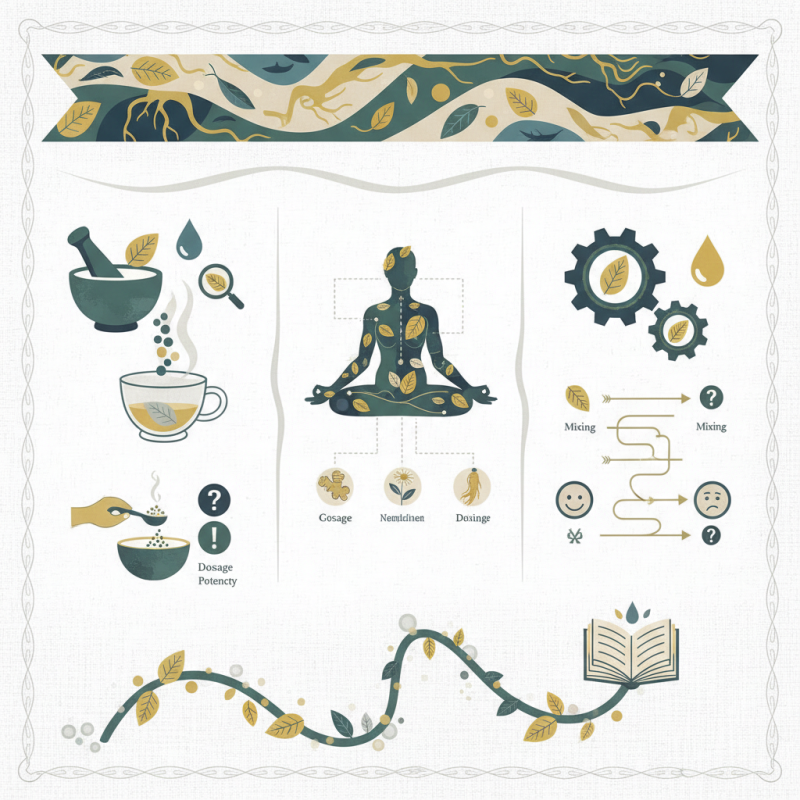
Using Single Herb Granules can be simple yet profound. They help in targeting specific health issues. Each granule carries the concentrated properties of the herb, making it easier to use than raw forms. For instance, you can easily dissolve them in warm water for a soothing tea. However, one must be cautious about dosage. It’s easy to underestimate the potency.
Moreover, understanding how to mix different granules can elevate your experience. Experimentation can lead to surprising results. But be mindful, as not all combinations are harmonious. Reflecting on personal responses helps in finding the right mix. Embrace the journey of using Single Herb Granules, while being open to learning and adjusting along the way.
Understanding Single Herb Granules and Their Benefits
Single herb granules offer a concentrated form of natural remedies. These granules contain the essence of plants, preserving the active compounds. Research suggests that about 75% of people using herbal remedies seek relief from common ailments. These can include stress, digestion issues, and immune support.
The popularity of single herb granules can be attributed to their ease of use. They dissolve quickly in hot water. Many users appreciate this convenience for busy lifestyles. A study indicated that over 60% of herbal remedy users prefer granules to capsules or tinctures. This may be due to a faster absorption rate, making them effective for quick relief.
However, it’s essential to note variability in individual responses. Not everyone experiences the same benefits. Some may find these granules too potent, while others may need a larger dose. The lack of regulation can also lead to inconsistencies in quality. Users should conduct thorough research and approach with caution.
Key Preparation Techniques for Single Herb Granules
Single herb granules offer a convenient way to harness the power of individual herbs. Preparing them properly can enhance their effectiveness. Start by selecting high-quality dried herbs. Make sure they are fresh and potent, as the quality impacts the final outcome.
To create the granules, grind the dried herbs into a fine powder. A mortar and pestle work well, but a spice grinder can save time. Measure out the desired amount, usually around 5 grams for a single dose. Mix the powder with a small amount of warm water to form a thick paste. This process can be messy, and it often requires trial and error to get the right consistency.
Once mixed, spread the paste thinly on a parchment-lined tray. Allow it to dry completely, which could take up to several hours. Remember, humidity levels can affect the drying time. After it’s dry, break it into granules. Store them in an airtight container in a cool place. It’s important to check for any signs of spoilage before use. Sometimes, the granules may clump together, so be prepared to adjust the moisture in your mixture next time.
Dosage Recommendations Based on Herbal Pharmacology
When using single herb granules for natural remedies, understanding proper dosage is crucial. Each herb has unique properties that require specific amounts for effective use. For instance, studies show that the effective dose of ginseng extract ranges from 200 to 400 mg daily for enhancing energy levels. This range is vital for avoiding adverse effects that may arise from excessive consumption.
While experimenting with herbal granules, consider the following tips: Start with a small dose. Gradually increase it based on your body's response. Research indicates that initial doses should not exceed one-half of the recommended levels. Monitoring your progress helps avoid potential discomfort.
An essential aspect of herbal pharmacology is recognizing that individual responses vary. Some might find relief with minimal doses, while others require more. Always track your experiences. This attention to detail can guide future usage and help refine your approach. Remember, patience plays a key role in finding the right balance for your needs.
Safety Considerations and Potential Side Effects
When using single herb granules, it’s crucial to understand safety considerations. Although many view these natural remedies as safe, some can cause side effects. For instance, certain herbs may interact with medications. Be cautious and consult a healthcare provider before starting any new remedy.
Taking single herb granules can lead to unexpected reactions. Side effects might include stomach discomfort or an allergic response. It's essential to monitor your body after taking them. Some herbs are potent and might not suit everyone. Everyone's body is different; what works for one may not work for another. Ensure you listen to your body’s signals.
Always start with a lower dosage. This approach helps identify any potential side effects. Gradually increasing the amount can allow your system to adjust. Keep a journal of any changes you notice. This can aid in understanding which herbs suit you best. Remember, finding the right balance may take time and experimentation.
Usage of Single Herb Granules for Natural Remedies
This chart illustrates the frequency of usage for various single herb granules in natural remedies.
Integrating Single Herb Granules into Daily Health Routines
Integrating single herb granules into your daily health routine can be rewarding. Start small, adding these granules to your morning tea or smoothie. For instance, ginger granules can add a spicy kick while promoting digestion. It’s simple and effective.
Some people find it challenging to remember to use them daily. A reminder on your phone can help. Experiment with different herbs. Each day, try a new granule like turmeric or chamomile. Notice how your body reacts. You might feel more energized or relaxed. Keep a journal to track your feelings; reflection aids understanding.
Incorporating these herbs may not always be easy. Sometimes, you might forget or struggle with a taste. Be patient. Adjusting to new routines takes time. Remember, health is a journey, not a sprint. Celebrate small victories, like sticking to the routine for a whole week. Every little step counts.

