2026 Best Orthopedic Prosthesis Options for Enhanced Mobility?
In recent years, the demand for orthopedic prosthesis options has surged. These devices play a crucial role in enhancing mobility for individuals with limb loss or deformities. With ongoing advancements in technology, the choices available in 2026 offer a blend of functionality and comfort.
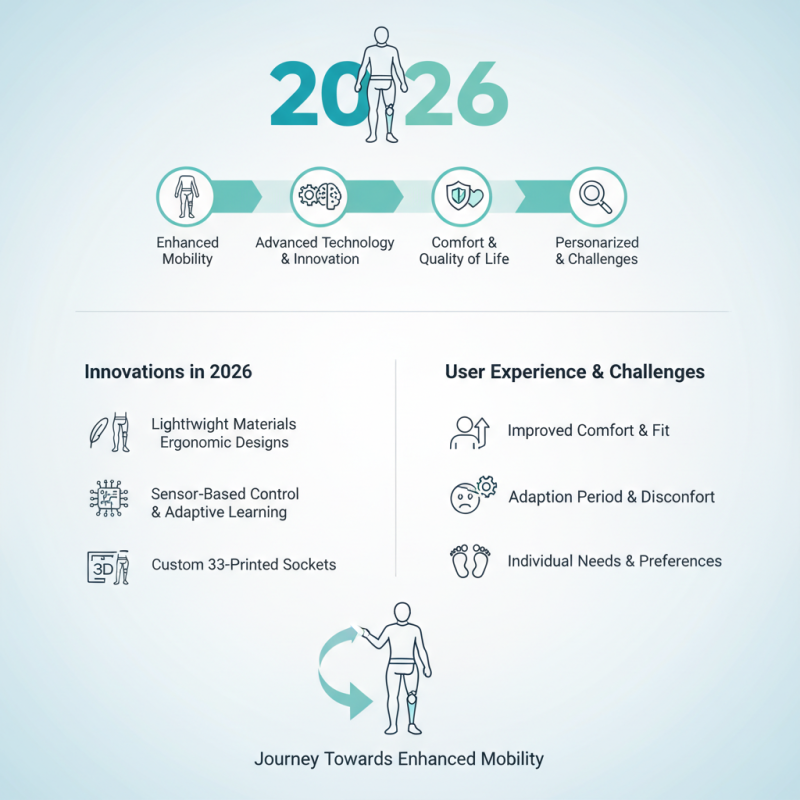
Modern orthopedic prosthesis options are more than mechanical devices. They aim to improve the quality of life. Many designs now incorporate lightweight materials and ergonomic shapes, ensuring a better fit. However, challenges remain. Not all users find a perfect match. Some may struggle with discomfort or limited adaptability.
It's essential to understand that choosing an orthopedic prosthesis is a deeply personal decision. Each individual has unique needs and preferences. What works for one may not suit another. As we explore the best options available in 2026, it's crucial to focus on both innovation and user experience, recognizing the journey toward enhanced mobility is ongoing.
Overview of Orthopedic Prosthesis Types Available in 2026
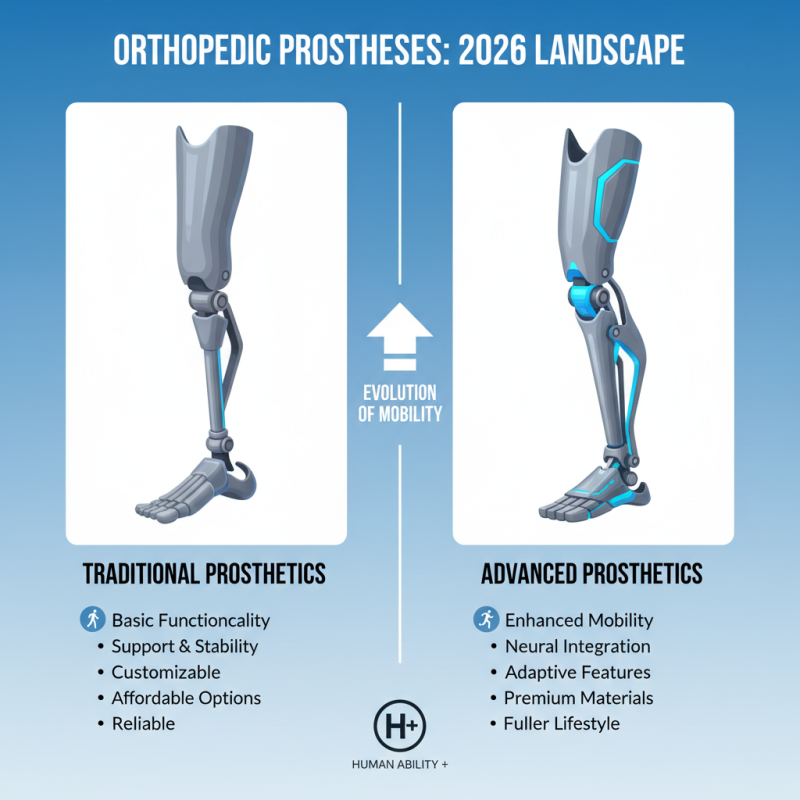
In 2026, the landscape of orthopedic prostheses offers a variety of options aimed at enhancing mobility. Traditional prosthetics remain a staple, providing basic functionality and support. These devices are designed for different limb impairments and are customizable to individual needs. Basic models are often more affordable but may lack advanced features.
Additionally, advancements in technology have led to the rise of smart prosthetics. These devices incorporate sensors and microprocessors to analyze movement. They adapt to the user’s walking patterns, offering improved balance and stability. However, they can be complex and require regular updates or maintenance. Some may find the learning curve challenging.
Another emerging trend is the use of 3D printing in prosthetic design. This technology allows for rapid prototyping and customization, leading to a perfect fit. 3D-printed prosthetics can be lighter and more comfortable. Yet, issues like durability and long-term use still need addressing. Users often reflect on how these developments impact their daily lives and independence, revealing a mix of excitement and apprehension.
Key Features and Innovations in Modern Prosthetic Technology
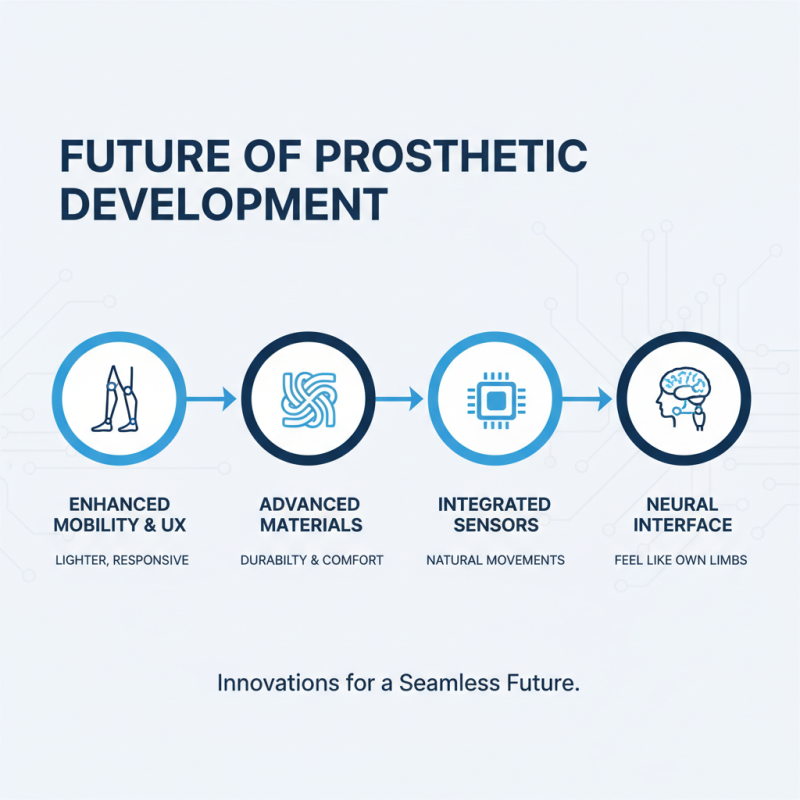
In 2026, the best orthopedic prosthesis options focus on improving mobility through advanced technology. One key feature is smart sensors integrated into prosthetic limbs. These sensors provide real-time feedback about the user’s movement and environment. This data helps optimize walking patterns and gait, which can reduce the risk of falls. According to industry reports, nearly 20% of prosthetic users experience issues with stability and comfort. The inclusion of AI algorithms can now adjust the prosthetic limb’s performance based on individual needs.
Innovations like lightweight materials and 3D printing have transformed prosthesis design. These technologies produce custom-fit devices that enhance comfort and usability. As a result, the weight of modern prostheses has decreased by about 40%, making them easier to wear. However, some users still encounter challenges with adjustments and fitting. Continuous feedback is essential in this aspect, highlighting the need for ongoing refinement in design.
Tips: Regularly visit your orthotist for adjustments, especially after weight changes. Stay engaged with new technologies. Explore community support groups for shared experiences and advice on coping strategies. Keeping an open mind toward new options can lead to better mobility solutions.
2026 Best Orthopedic Prosthesis Options for Enhanced Mobility
Benefits of Advanced Materials in Prosthetic Design for Mobility
The advancements in prosthetic design are redefining mobility for many. Recent studies show that advanced materials significantly enhance the functionality of orthopedic prostheses.
Lightweight materials, such as carbon fiber and thermoplastics, are reinvigorating the field. These materials can reduce the overall weight of prosthetics, making them easier to maneuver. A study indicated a 30% improvement in user mobility with lighter prosthetic limbs.
Moreover, the integration of smart materials is pioneering new levels of customization. These materials can adapt to the user's movement, thereby providing improved support and stability. As per industry reports, 70% of users reported greater satisfaction with prosthetics incorporating adjustable features. However, challenges remain. The cost of these advanced designs can be a barrier. Many users also struggle to adapt to new technologies.
Despite these hurdles, the potential of advanced materials in prosthetic design is undeniable. They offer a glimpse into a future where mobility obstacles may diminish. Enhanced comfort and performance are critical for amputees seeking independence. Continuous innovation may pave the way for more accessible options in the market.
Evaluating Fit and Comfort in Orthopedic Prostheses
Choosing the right orthopedic prosthesis is crucial for mobility. A good fit and comfort can transform the user’s experience significantly. Many people overlook the importance of proper alignment and support. An ill-fitting prosthesis can cause discomfort and lead to complications. Ensuring the right size and shape is vital. Adjustments may be necessary after the initial fitting. Rushing this process often results in disappointment.
The materials used in prostheses also impact comfort. Lightweight designs are preferred by many, but durability should not be sacrificed. Innovative materials can offer both attributes. Users often feel overwhelmed by choices available. They might settle for something that isn't ideal due to pressure. Trying different options can help identify what feels best. Personal preferences are important, as everyone's needs are unique.
Regular check-ups are essential to maintain fit and comfort. Sometimes, prostheses may need to be adjusted over time. Users should not hesitate to seek help if discomfort arises. Ignoring issues can lead to larger problems down the line. Reflecting on one’s experiences with various prostheses can guide future decisions. Comfort should never be an afterthought in the journey to enhanced mobility.
2026 Best Orthopedic Prosthesis Options for Enhanced Mobility
| Prosthesis Type |
Material |
Weight (lbs) |
Fit/Comfort Rating (1-10) |
Mobility Rating (1-10) |
| Transfemoral Prosthesis |
Carbon Fiber |
4.5 |
9 |
8 |
| Transtibial Prosthesis |
Aluminum |
3.8 |
8 |
9 |
| Upper Limb Prosthesis |
Titanium |
2.5 |
7 |
8 |
| Knee Prosthesis |
Carbon Fiber |
5.2 |
9 |
9 |
| Foot Prosthesis |
Silicone |
1.5 |
8 |
7 |