10 Essential Tips for Choosing the Right Bone Screws for Your Needs?
Choosing the right bone screws can significantly impact surgical outcomes. Quality and functionality are paramount in orthopedics. Each type of bone screw serves a specific purpose, from fixation to stabilization. Understanding these differences is essential for every medical professional.
Factors to consider include the screw material, design, and thread type. High-quality bone screws contribute to faster healing and reduce complications. Surgeons must evaluate their patients’ needs carefully. Inadequate choices may lead to failure or extended recovery times.
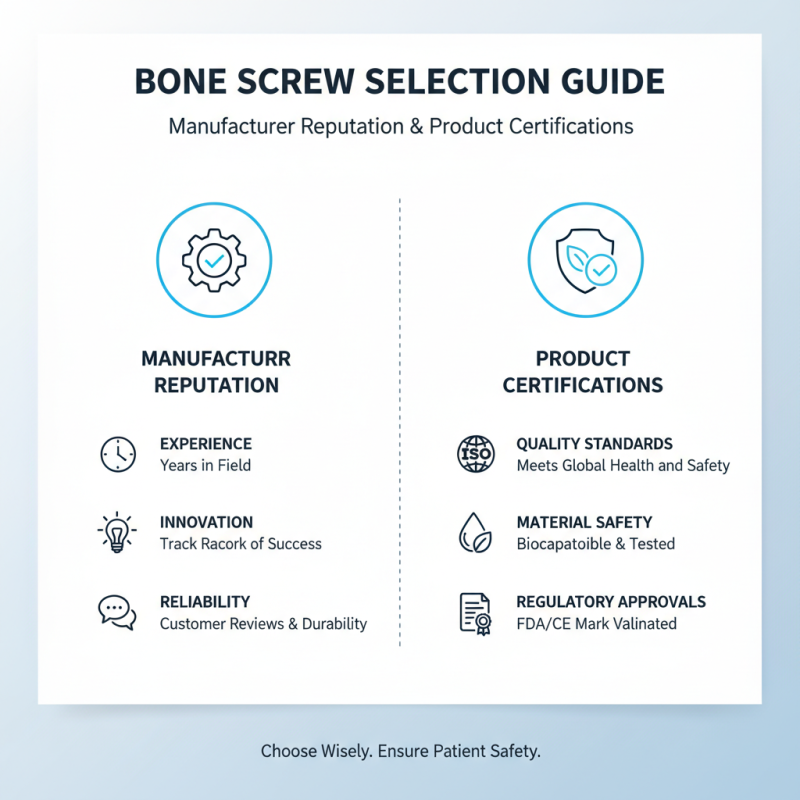
Experts emphasize the importance of proper selection and usage of bone screws. Reliable suppliers offer detailed specifications for their products. This information helps medical professionals make informed decisions. However, many still overlook these critical aspects. Analyzing real-case scenarios reveals the impact of poor choices. Learning from these instances is vital for advancing orthopedic practices.
Understanding the Different Types of Bone Screws Available
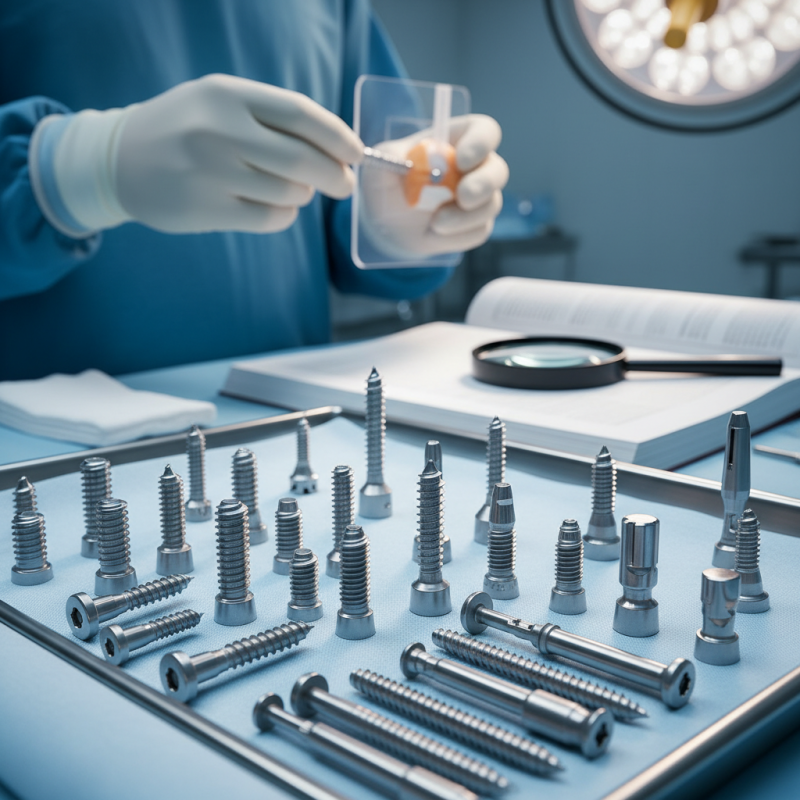
When selecting bone screws, understanding the types available is crucial. Bone screws come in various materials, dimensions, and designs, each serving specific clinical needs. Common materials include titanium, stainless steel, and absorbable polymers. Titanium is favored for its strength and biocompatibility, while absorbable polymers offer a temporary solution for pediatric patients.
One must consider screw design as well. Options include cortical screws, cancellous screws, and locking screws. Cortical screws provide stability in dense bone. Cancellous screws are ideal for porous bone, promoting better fixation. Locking screws enhance construct stability by preventing backout. A recent study indicated that 70% of orthopedic surgeons prefer locking mechanisms for their enhanced reliability.
Choosing the right screw also requires reflection on recent advancements. Novel designs are emerging, but they may not be suitable for all patients. One study revealed that nearly 15% of surgeons experienced complications when using new screw types without adequate training. Ensuring a balance between innovation and traditional techniques remains vital in practice.
10 Essential Tips for Choosing the Right Bone Screws for Your Needs
| Type of Bone Screw |
Material |
Head Type |
Diameter (mm) |
Length (mm) |
Usage |
| Cortical Screw |
Titanium |
Hexagonal |
3.5 |
30 |
Fracture Fixation |
| Cancellous Screw |
Stainless Steel |
Self-Drilling |
6.5 |
40 |
Bone Reconstruction |
| Locking Screw |
Titanium Alloy |
Torx |
4.0 |
45 |
Fracture Stability |
| Screw for Plate |
Cobalt Chrome |
Countersunk |
3.0 |
25 |
Plate Fixation |
| Self-Tapping Screw |
Titanium |
Hexagonal |
2.7 |
20 |
Soft Tissue Fixation |
Evaluating the Material Composition of Bone Screws
When selecting bone screws, understanding material composition is essential. Most bone screws are made from titanium, stainless steel, and bioresorbable polymers. Each material has unique properties affecting their performance in surgical applications. Titanium offers excellent strength-to-weight ratios and corrosion resistance. Studies show that titanium screws have significantly lower rates of infection compared to stainless steel options.
Stainless steel screws are known for their stability and robustness. However, they can cause metal sensitivity in some patients. Bioresorbable screws are gaining popularity. They provide temporary support and gradually dissolve, reducing the need for a second surgery. However, issues like implant quality and strength under strain need further research.
Selecting the right screw requires considering patient needs. Material choice should be based on a thorough evaluation of factors such as strength, biocompatibility, and potential for allergic reactions. A report from the Journal of Orthopaedic Research indicates that improper material selection leads to increased complications in 15% of cases. This highlights the need for careful consideration and expertise in material selection.
Considering the Size and Length Requirements for Your Application
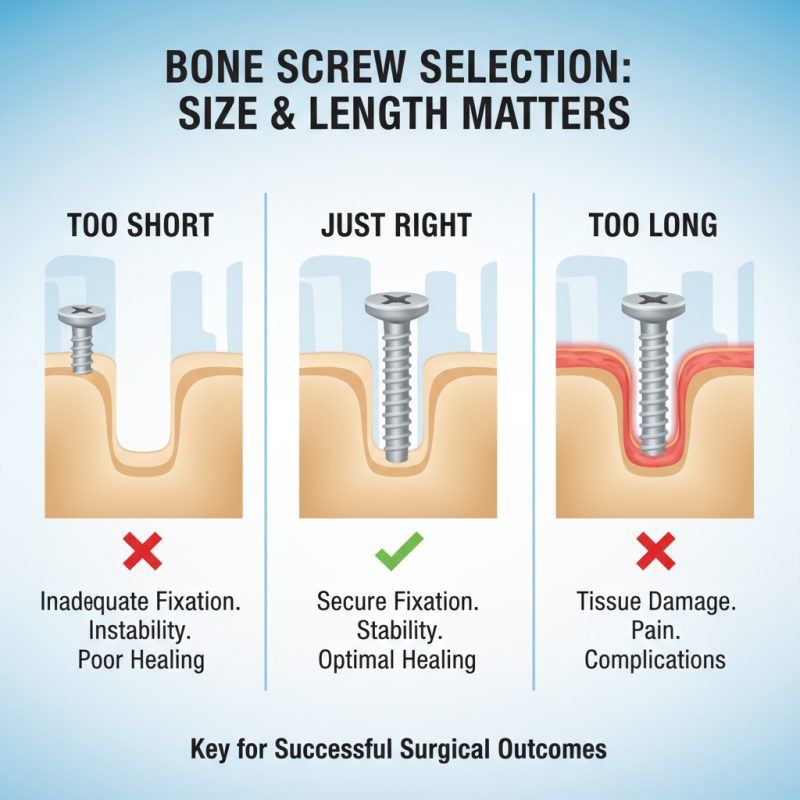
Choosing the right bone screws requires careful consideration of size and length. Proper sizing is crucial for successful implantation and ensuring stability. A screw that is too long may damage surrounding tissues. Conversely, one that is too short might not provide adequate fixation. This careful balance is vital for optimal outcomes in any surgical procedure.
When assessing your needs, precise measurement is essential. Gauge the dimensions of the bone structure you are working with. Use calipers for accuracy. Some applications may require a specific screw length to navigate anatomical variations. Inconsistent measuring techniques can lead to complications. Review past cases to learn from any measurement errors. Adjusting your approach based on these experiences can enhance your technique.
Different surgical scenarios may call for varying lengths. A fractured bone may require longer screws for deeper penetration. However, certain procedures benefit from shorter screws, reducing the risk of adjacent tissue injury. Always consult with experienced professionals when in doubt. Their insights can provide valuable guidance tailored to unique situations. Overall, taking the time to thoroughly assess size and length will improve procedural outcomes significantly.
Assessing the Thread Design and Its Impact on Stability
Choosing the right bone screws involves careful consideration of the thread design. The thread profile can significantly influence the stability of the screws in their intended application. A well-designed thread provides better grip and reduces the risk of loosening over time. When examining the options, think about the material and type of bone where the screw will be used.
Different thread designs offer various benefits. For instance, deeper threads may provide more engagement, while finer threads can improve pull-out strength. It’s crucial to assess the compatibility of these designs with the specific bone structure. Some designs may work well in softer bones, while others are preferable for denser materials. This decision can also impact healing, as stability allows for better bone integration.
In the quest for stability, not all thread designs are suitable for every situation. This mismatch could lead to complications during recovery. It's essential to research and consult with experienced professionals who understand the nuances of these screws. Continuous learning about the evolution of thread designs can sharpen decision-making skills. Engage with clinical studies and peer-reviewed articles to enhance your knowledge.
Impact of Thread Design on Bone Screw Stability