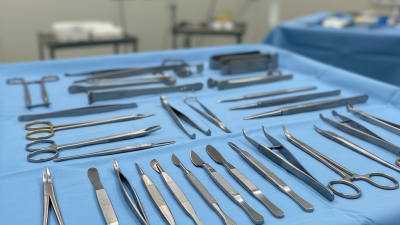
Choosing the best surgical item suppliers worldwide requires more than comparing prices. Hospitals need dependable products, traceable documentation, responsive service, and evidence of consistent quality. A sterile instrument may look flawless under bright operating-room lights, yet its real value depends on packaging integrity, material performance, and delivery reliability.
The World Health Organization and World Bank estimated that five billion people lacked access to safe, affordable surgical care in 2015. The Lancet Commission on Global Surgery also identified a need for up to 143 million additional procedures annually. These figures show why surgical item suppliers influence healthcare access, not merely purchasing budgets. WHO’s Global Patient Safety Action Plan 2021–2030 supports stronger systems, safer procedures, and better learning from failures. Supplier assessment should therefore include ISO 13485 certification, regulatory registration, sterilization controls, complaint handling, and documented batch traceability.
The details matter.
As surgical safety expert Dr. Atul Gawande said, “The checklist is not a comprehensive guide to what to do. It is a tool to help teams make sure they have done the basics.” That principle also fits procurement. A credible supplier should make basic checks visible, from needle sharpness to carton labeling. This guide compares leading global companies through quality systems, product range, geographic coverage, delivery performance, and clinical support. Market rankings are never perfect. Data changes, regional access differs, and a lower-cost option may create higher replacement costs later. Readers should verify current certifications and local requirements before making a purchasing decision.

Surgical item suppliers are companies that provide products used during diagnosis, treatment, and surgical care. Their scope includes instruments, wound-care materials, sterile packs, protective clothing, implants, and selected operating-room equipment. Some suppliers manufacture these items, while others distribute products from qualified producers.
A reliable supplier does more than deliver cartons. It should maintain documented quality systems, lot tracking, sterilization records, and clear storage conditions. Procurement teams may review certificates, product specifications, expiration dates, and complaint-handling procedures.
A shipment of sterile gowns, for example, should arrive sealed, labeled, and protected from moisture.
Small details matter.
The supplier’s role can also include inventory planning, technical training, replacement support, and emergency delivery coordination. However, the definition is not always clean. A distributor may offer strong logistics but limited technical knowledge. A manufacturer may provide expertise but struggle with local availability. This gap deserves careful review.
Buyers should assess experience, regulatory compliance, response times, and evidence from real healthcare settings. Price alone is a weak measure of reliability.
In practice, a dependable supplier connects safe products with consistent documentation and responsible communication. Mistakes still happen, and even established systems need regular checking.
Choosing a surgical supplier in 2026 requires more than comparing catalog prices. Procurement teams should examine documented manufacturing experience, product traceability, and clinical-use feedback. Ask how long each facility has produced the relevant item. Request recent quality certificates, batch records, and complaint-response timelines. Reliable suppliers explain material specifications without vague promises. Their answers should match independent audit findings. A polished website is not evidence. On-site inspections, when practical, reveal storage conditions, staff training, and packaging controls. Small details matter. A loose seal can damage confidence.
Tips: Build a weighted scorecard before contacting suppliers. Include quality systems, regulatory readiness, delivery continuity, technical support, and total cost. Verify certificates through issuing bodies, not screenshots. Request samples from normal production, not specially prepared batches. Check sterilization records, labeling accuracy, and carton strength. Speak with two existing healthcare customers, when permission is available. Ask about a delayed shipment. The response often shows more than a sales presentation. Do not ignore local registration requirements. They vary by market.
Professional judgment also means testing assumptions. The lowest quote may hide higher inspection, freight, or replacement costs. A large factory may still provide weak communication. Smaller suppliers can be responsive, but capacity risks need proof. Review business continuity plans, backup materials, and forecast-sharing procedures. I would score transparency separately from technical capability. That choice is imperfect, yet useful. Reassess suppliers annually, especially after design changes, safety events, or repeated delivery deviations. Keep written evidence for every decision.
2026 Best Surgical Item Suppliers Worldwide?
Leading surgical item suppliers differ by region, regulatory strength, and product category. North American suppliers often provide advanced operating-room equipment, surgical instruments, and implant-support accessories. European suppliers are widely recognized for strict quality systems, infection-control products, and precision instruments. Asia-Pacific remains important for high-volume consumables, examination gloves, sutures, and disposable surgical kits. Latin American, Middle Eastern, and African markets increasingly depend on regional distributors for dependable stock and technical support.
Product category matters more than broad supplier rankings. Hospitals should assess surgical gowns, drapes, masks, wound-care products, sterilization containers, electrosurgical accessories, and reusable instruments separately. A capable supplier should provide traceability records, sterilization validation, material specifications, and clear shelf-life information. Quality systems aligned with ISO 13485 can support confidence, but certificates alone are not enough. Ask about complaint handling, batch recalls, delivery history, and product-change notices.
Small details matter. A missing size can delay a procedure. Poor packaging can compromise sterile storage. From practical sourcing experience, local warehouses often improve urgent delivery, while direct imports may reduce cost. The trade-off deserves careful review. No supplier performs equally well across every category or region. Buyers should compare audit results, clinical feedback, service response times, and total ownership costs. Some public information remains incomplete, so independent verification and trial orders are still necessary.
| Region | Key Surgical Item Categories | Typical Supplier Capabilities | Common Regulatory and Quality Requirements | Main Buyer Segments | Recommended Evaluation Criteria |
|---|---|---|---|---|---|
| North America | Surgical instruments, electrosurgical accessories, orthopedic implants, wound-care products, laparoscopic accessories, sterilization containers and operating-room consumables | High-volume production, advanced machining, private-label manufacturing, sterile packaging, contract manufacturing, traceability systems and customized surgical kits | ISO 13485 quality management; ISO 14971 risk management; ISO 10993 biological evaluation; applicable national medical-device registration, labeling, UDI and post-market surveillance requirements | Hospital systems, ambulatory surgery centers, group purchasing organizations, distributors, orthopedic centers and government healthcare facilities | Regulatory clearance, clinical documentation, supply continuity, sterilization validation, lot traceability, product liability coverage and delivery performance |
| Europe | Reusable surgical instruments, minimally invasive surgery products, trauma and fixation devices, implants, sutures, drapes, gowns and sterile procedure packs | Precision engineering, reusable-device refurbishment, sterile barrier packaging, cleanroom assembly, custom procedure kits and multilingual technical documentation | ISO 13485; ISO 14971; ISO 10993; applicable Medical Device Regulation requirements; CE marking where required; EN 556 for terminally sterilized products; EN ISO 15223-1 and EN ISO 20417 for labeling and information | Public hospitals, private hospital groups, national procurement bodies, specialist clinics, distributors and surgical centers | Conformity assessment route, technical documentation, environmental compliance, reusable-device lifecycle data, language coverage and European distribution capability |
| Asia-Pacific | General surgical instruments, disposable instruments, masks and gowns, sutures, needles, laparoscopic devices, orthopedic products and sterilization supplies | Large-scale manufacturing, cost-efficient stainless-steel processing, injection molding, disposable-device assembly, OEM/private-label production and export-oriented packaging | ISO 13485; ISO 14971; applicable national device registration; ISO 11135 for ethylene-oxide sterilization; ISO 11137 for radiation sterilization; ISO 17665 for moist-heat sterilization | Public hospitals, private healthcare networks, importers, distributors, contract manufacturers, emergency-care programs and international procurement agencies | Factory audit results, process validation, incoming-material control, sterilization records, export documentation, sample consistency and minimum-order flexibility |
| Latin America | Basic surgical instruments, sutures, needles, disposable gowns and drapes, wound-care products, syringes, orthopedic supplies and operating-room consumables | Import distribution, regional assembly, private-label supply, hospital consumables, basic instrument manufacturing and customized packaging for local tenders | ISO 13485; ISO 14971; national registration and import licensing; applicable Good Manufacturing Practice requirements; validated sterile packaging and labeling in the required local language | Public hospitals, private clinics, local distributors, procurement contractors, humanitarian programs and regional healthcare networks | Local registration support, customs documentation, Spanish or Portuguese labeling, distributor coverage, tender experience, shelf life and reliable after-sales service |
| Middle East and Africa | General surgical instruments, sterile procedure packs, wound-care products, disposable protective apparel, sutures, needles, trauma products and basic operating-room equipment | Regional distribution, tender supply, customized kits, import-based sourcing, emergency stockholding, basic assembly and products designed for challenging logistics environments | ISO 13485; ISO 14971; national or regional device registration; ISO 15223-1 symbols; ISO 20417 information supplied by the manufacturer; documented sterilization and shelf-life validation | Government hospitals, private healthcare groups, medical distributors, aid organizations, military hospitals and international procurement programs | Local representative capability, tender compliance, product availability, climate-resistant packaging, inventory support, delivery reliability and technical training |
2026 Best Surgical Item Suppliers Worldwide?
Quality, Regulatory Compliance, and Supply Chain Comparison
Choosing surgical item suppliers in 2026 requires more than comparing unit prices. Quality begins with documented material specifications, validated production steps, and consistent batch testing. During supplier audits, I look for traceable lot numbers, intact sterile barriers, and clear instructions for use. Small details matter. A missing seal record can delay an entire hospital order.
Regulatory compliance should match the destination market and product risk. Reliable suppliers maintain current quality certificates, technical files, risk assessments, and post-market monitoring records. They should explain how complaints are investigated and how corrective actions are verified. A polished certificate file is not enough. I have seen strong paperwork hide weak communication, so direct answers and realistic evidence deserve equal attention.
Supply chain performance needs practical testing. Compare lead times, minimum order quantities, safety stock policies, and temperature-controlled transport where required. Ask whether production depends on one factory or one raw-material source. Track delivery accuracy across several purchase cycles, not one successful shipment. Unexpected delays happen. The better supplier reports them early and offers documented alternatives without changing approved specifications. Regional warehouses can shorten delivery routes, but they may increase inventory age. That trade-off deserves careful review. Supplier scorecards should combine quality findings, regulatory updates, delivery data, and response times. Procurement teams should revisit them regularly, because performance can change after a capacity increase or process adjustment.
Hospitals choosing a surgical supplier in 2026 need more than competitive pricing. They need dependable products, clear documentation, and responsive support. A practical evaluation should begin with the hospital’s procedure mix, patient volume, and storage capacity. A trauma center may require different instruments and delivery schedules than a small outpatient facility. The details matter.
Ask suppliers for material specifications, sterilization instructions, shelf-life data, and traceability records. Each product should have a clear lot number and usable quality documentation. Review manufacturing controls, inspection methods, and complaint-handling procedures. Independent audits can add confidence, but they should not replace direct questions. Visit the production site when possible. Look closely at packaging, labeling, and staff training.
Delivery performance deserves careful testing. Request recent lead-time records, back-order rates, and emergency fulfillment procedures. A supplier may promise fast service, yet routine orders can reveal another reality. Start with a controlled trial rather than changing the entire supply chain. Let surgeons, nurses, infection-control staff, and purchasing teams assess the products together. Their feedback may conflict. That is useful. It exposes overlooked problems, such as difficult packaging or instruments that slow preparation. Hospitals should also review contract terms, product-change notices, technical training, and communication during recalls. No selection process is perfect. A written scorecard, reviewed every few months, can show where assumptions were wrong.