How to Choose the Best Surgical Tools for Your Needs?
Choosing the right surgical tools is crucial for successful procedures. Dr. Emily Carter, a renowned expert in surgical instrument design, emphasizes, “The right tools can enhance precision and safety.” This highlights the importance of selecting the best tools for diverse needs.
Surgeons face unique challenges in selecting surgical tools. Each procedure requires careful consideration of instrument types, materials, and ergonomics. A tool that works well in one scenario may not be suitable in another. Understanding these nuances is essential for effective surgery.
Moreover, the rapid advancement in surgical technology can be overwhelming. New tools emerge frequently, making it vital for professionals to stay informed. Evaluating tools means not just looking at the brand but also understanding functionality and safety requirements. Balancing innovation with proven reliability can be a tough decision.
Understanding Different Types of Surgical Tools and Their Functions
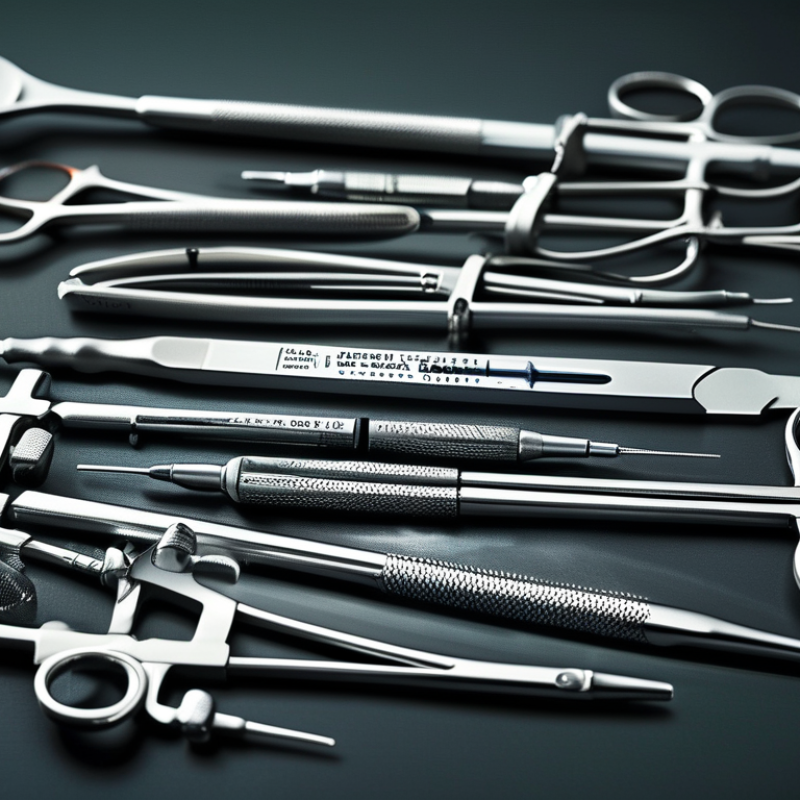
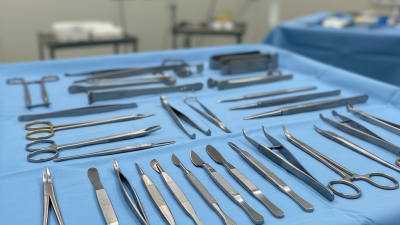
Choosing the right surgical tools is essential for successful procedures. Understanding various types can guide the selection process. Surgical tools range from scalpels to forceps, each having specific functions. Scalpels are commonly used for incisions, while forceps help in grasping tissues.
According to a report from the World Health Organization, nearly 234 million surgeries are performed annually worldwide. This highlights the importance of selecting appropriate tools. For instance, scissors and electrosurgical devices play pivotal roles in surgeries, influencing outcomes significantly. It's vital to ensure tools are both ergonomic and suitable for the specific environment.
Tips: Always prioritize quality over cost. A well-designed tool can enhance precision and comfort. Review user feedback from professionals to understand potential limitations. Regular maintenance is also crucial; tools should be checked for functionality before each use to mitigate risks. Consider testing multiple tool options to identify what best suits your needs.
Assessing Quality Standards for Surgical Instruments
When choosing surgical instruments, assessing quality standards is paramount. Instruments must meet rigorous safety and performance standards. According to the World Health Organization, the right tools can significantly reduce surgical complications. Quality surgical instruments enhance precision and minimize patient risk.
In examining quality, consider materials used in manufacturing. Stainless steel is a common choice due to its durability and resistance to corrosion. Instruments made from high-quality materials often last longer and maintain sharper edges. Reports indicate that instruments with superior quality can improve operational efficiency by up to 30%.
Another factor to consider is certification. Instruments should be compliant with relevant regulatory frameworks. The ISO 13485 standard, for example, outlines requirements for a quality management system in medical devices. Instruments that lack proper certification could compromise patient safety. While some suppliers may offer lower prices, this often correlates with inferior quality. Reflecting on these aspects helps medical professionals make informed decisions when selecting surgical tools.
Factors to Consider When Choosing Surgical Tools for Specific Procedures
Choosing the right surgical tools is crucial for successful procedures. The selection process involves various factors tailored to specific needs. Understanding these elements can greatly enhance surgical outcomes.
One key factor is the material of the tools. Stainless steel is widely used for its durability and resistance. However, some procedures may benefit from titanium. A study showed that 75% of surgeons prefer titanium for specific applications due to its lightweight and strength. In addition, ergonomics matter. Tools should fit comfortably in the hand, reducing fatigue during long surgeries.
Technique and procedure type also dictate tool choice. For minimally invasive surgeries, specialized instruments are often essential. A report indicated that 82% of surgical errors stem from improper tool selection. Regular training and feedback can help improve awareness and decision-making in tool use, ensuring safety and efficacy. Balancing these factors is vital in selecting the best surgical tools for each unique case.
Evaluating Ergonomics and Usability in Surgical Instruments
When selecting surgical instruments, ergonomics and usability should be key factors.
Ergonomic design reduces strain during procedures. Surgeons often face long hours in challenging positions.
This can lead to fatigue and decreased concentration. A well-designed tool naturally fits in hand, allowing for better precision and control.
Usability goes beyond comfort. It is about the intuitive use of instruments.
Instruments should be simple to grip and operate. For instance, the weight of a scalpel can influence its handling.
Heavier tools may provide stability, but could also cause fatigue.
Testing various instruments in realistic scenarios is crucial.
Feedback from surgical teams is invaluable. Each experience may highlight different challenges.
What works for one surgeon might not suit another. It's essential to reflect on personal preferences and experiences.
The nuances of each procedure impact instrument choice. Engaging in discussions with peers can reveal insights into ergonomics that might otherwise be overlooked.
Budgeting and Cost-Effectiveness of Surgical Tool Purchases
Budgeting effectively for surgical tool purchases requires a clear understanding of the costs involved. According to a report from the Healthcare Financial Management Association, surgical tools can account for up to 30% of a facility's surgical costs. Balancing quality and budget is crucial for surgical efficiency and patient safety. Investing in high-quality tools may seem costly upfront but can lead to reduced complication rates and better outcomes, ultimately saving money in the long run.
Tip: Assess the total cost of ownership when evaluating tools. This includes initial costs, maintenance, and disposal expenses. High-quality instruments may require lower maintenance costs and have a longer lifespan.
Another important consideration is the trend toward cost-effectiveness. The surgical industry is seeing a shift towards value-based purchasing, focusing on purchasing tools that improve patient outcomes and reduce overall costs. A recent analysis found that hospitals prioritizing cost-effectiveness saw a 15% decrease in surgical complications, translating to significant savings.
Tip: Always request product demos. Seeing a tool in action can help ensure it meets your needs. Evaluate how well the tools align with your surgical practices and their potential ROI.
How to Choose the Best Surgical Tools for Your Needs? - Budgeting and Cost-Effectiveness of Surgical Tool Purchases
| Surgical Tool |
Average Cost (USD) |
Durability (Years) |
Maintenance Cost (Annual USD) |
Cost-Effectiveness Rating |
| Scalpel |
150 |
5 |
20 |
4.5 |
| Forceps |
100 |
7 |
15 |
4.7 |
| Scissors |
200 |
6 |
25 |
4.3 |
| Needle Holder |
120 |
4 |
10 |
4.2 |
| Electrocautery |
400 |
10 |
50 |
4.0 |