2026 Guide to Choosing Orthopedic Surgery Instruments?
Choosing the right orthopedic surgery instruments is crucial for achieving positive patient outcomes. In 2022, the global orthopedic instruments market was valued at approximately $15 billion. This number is projected to grow significantly, driven by the rising incidence of orthopedic conditions and an aging population. Advanced technologies are transforming this sector, introducing innovative tools that enhance precision in surgical procedures.
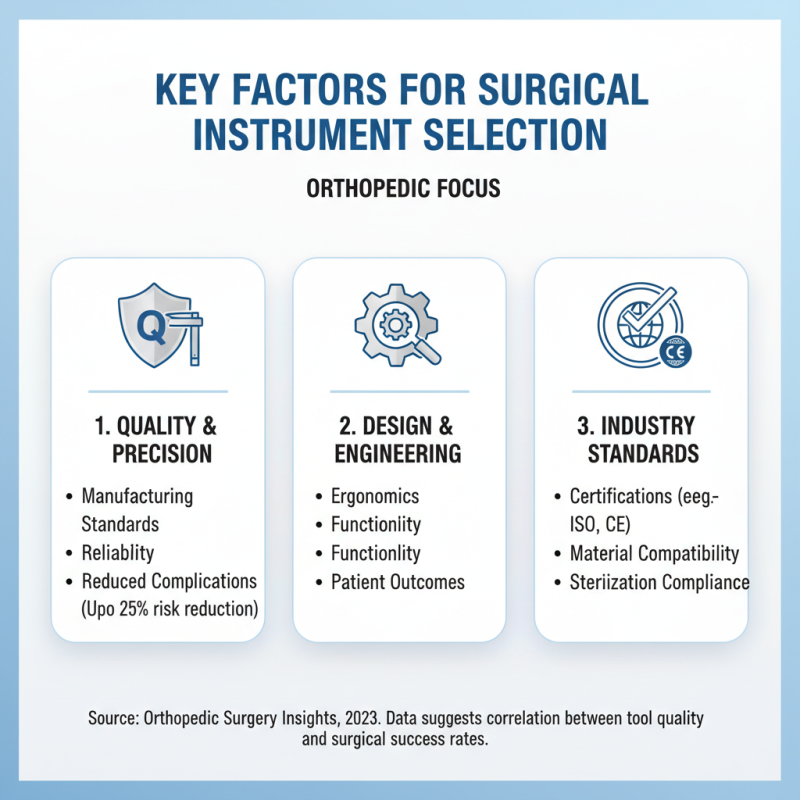
Surgeons must consider several factors when selecting instruments. The quality and reliability of devices are paramount. Instruments should be durable, provide a secure grip, and enable precise maneuvers. A recent study revealed that improper instrument selection can lead to extended surgery times and increased complication rates. Thus, it is vital to rely on trusted manufacturers with proven track records.
Despite advancements, there remain challenges in the industry. Many healthcare facilities face budget constraints, which may limit access to high-quality instruments. Furthermore, with numerous options available, differentiating between effective and ineffective tools can be daunting. Surgeons and procurement teams must navigate these complexities thoughtfully, focusing on both performance and safety in their choices.
Understanding Orthopedic Surgery Instruments: An Overview
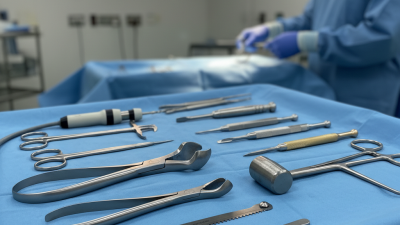
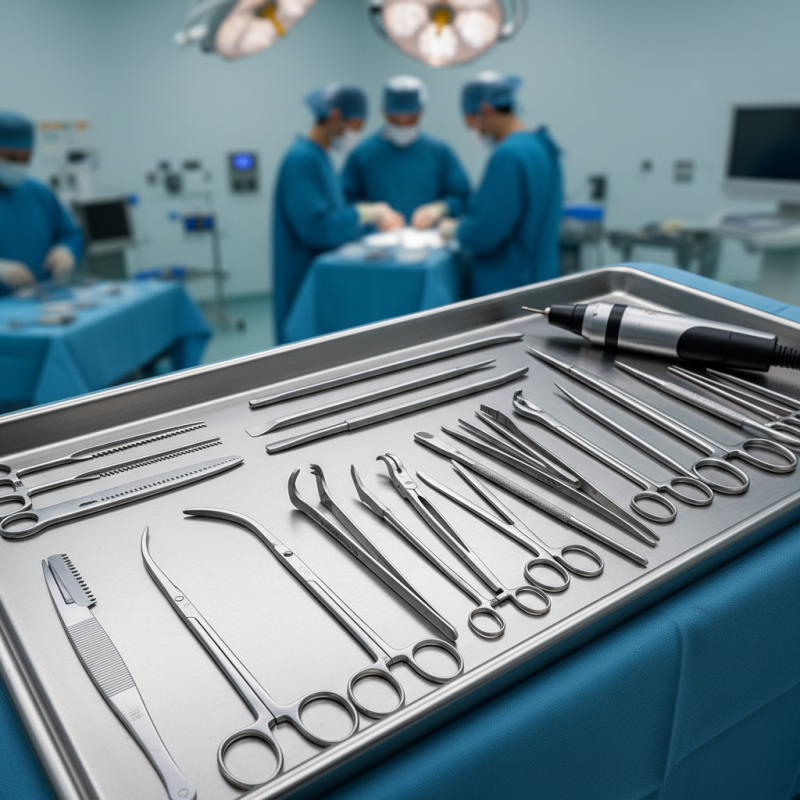
Understanding orthopedic surgery instruments is crucial for successful procedures. Different tools serve unique purposes. For example, bone saws are vital for precise cuts. Surgical scissors allow for accurate tissue dissection. Each instrument's design influences its effectiveness. According to a report by MarketsandMarkets, the orthopedic instruments market is expected to reach $50 billion by 2026. This growth indicates the rising demand for advanced surgical tools.
Moreover, quality cannot be compromised. Instruments must meet stringent standards. High-quality materials enhance durability and performance. However, not all instruments live up to these expectations. Some may fail during critical moments. It's essential to evaluate suppliers carefully. A comprehensive review of user feedback helps identify reliable options. Selecting the right tool can make a significant difference in patient outcomes.
Surgeons must stay updated on innovations. New technologies are emerging, such as 3D-printed instruments. They offer customizable solutions for complex operations. However, the adaptation period can be challenging. Familiarity with traditional instruments often hinders adoption. Understanding each instrument's role is key to surgical success. Ultimately, it is about providing the best care possible through informed choices.
2026 Guide to Choosing Orthopedic Surgery Instruments
Types of Orthopedic Instruments and Their Specific Uses
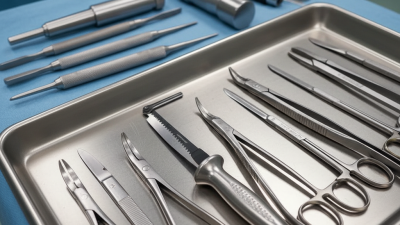
When choosing orthopedic surgery instruments, understanding the types and their specific uses is crucial. There are several key categories. Surgical instruments include scalpels, forceps, and scissors. These tools are essential for precise incisions and tissue handling. A recent industry report notes that over 70% of successful surgeries rely on the quality of these instruments.
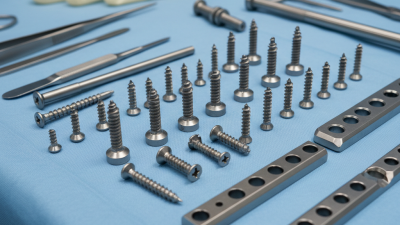
Another important category is implants. Stainless steel and titanium implants are common. They serve to replace or support damaged bones. Statistics show that the demand for orthopedic implants is expected to grow by 8% annually through 2026. This growth indicates a significant reliance on high-quality materials.
Tips: Always evaluate the ergonomic design of instruments. They should reduce fatigue and enhance precision. Deeper knowledge of each instrument's specific applications can lead to better patient outcomes. Consider that instrument maintenance is often overlooked. Regular checks can prevent complications during surgeries. Prioritize the most reliable sources for your instruments to ensure quality and durability.
Materials and Technology in Modern Orthopedic Instruments
The evolution of materials and technology in modern orthopedic instruments significantly impacts surgical outcomes. Advanced materials such as titanium and high-grade stainless steel predominately comprise instruments. These materials enhance durability and biocompatibility, crucial for patient recovery. According to a 2021 industry report from Grand View Research, the global orthopedic surgical instruments market is expected to reach $18.5 billion by 2028, reflecting growing demand for quality and innovation in healthcare.
Technological advancements also play a pivotal role. Surgical instruments now incorporate smart technology, enabling real-time data collection. For instance, tools with integrated sensors can monitor pressure and torque during surgery, ensuring precision. A study published in the Journal of Orthopaedic Surgery shows that incorporating these technologies improves surgical accuracy by 25%. However, high costs and the need for specialized training can hinder widespread adoption.
While modern materials and technologies have transformed orthopedic surgery, challenges still exist. Not all hospitals can afford cutting-edge equipment, which may lead to disparities in patient care. Continuous evaluation of both instruments and training quality is crucial. Addressing these gaps ensures that advancements translate into better outcomes for all patients, reflecting the ongoing need for improvement in this rapidly evolving field.
2026 Guide to Choosing Orthopedic Surgery Instruments
| Instrument Type |
Material |
Technology |
Common Applications |
Durability (Years) |
| Scalpel |
Stainless Steel |
Laser-Cut Blade |
Incisions, Tissue Dissection |
5 |
| Forceps |
Titanium |
Ergonomic Design |
Grasping, Holding Tissues |
8 |
| Retractor |
High-Carbon Steel |
Adjustable Mechanism |
Wound Exposure |
6 |
| Bone Saw |
Carbon Steel |
Electric Powered |
Bone Ressection |
10 |
| Drill |
Aluminum |
Cordless Technology |
Screw Fixation |
7 |
Evaluating Quality and Cost: Making the Right Choice
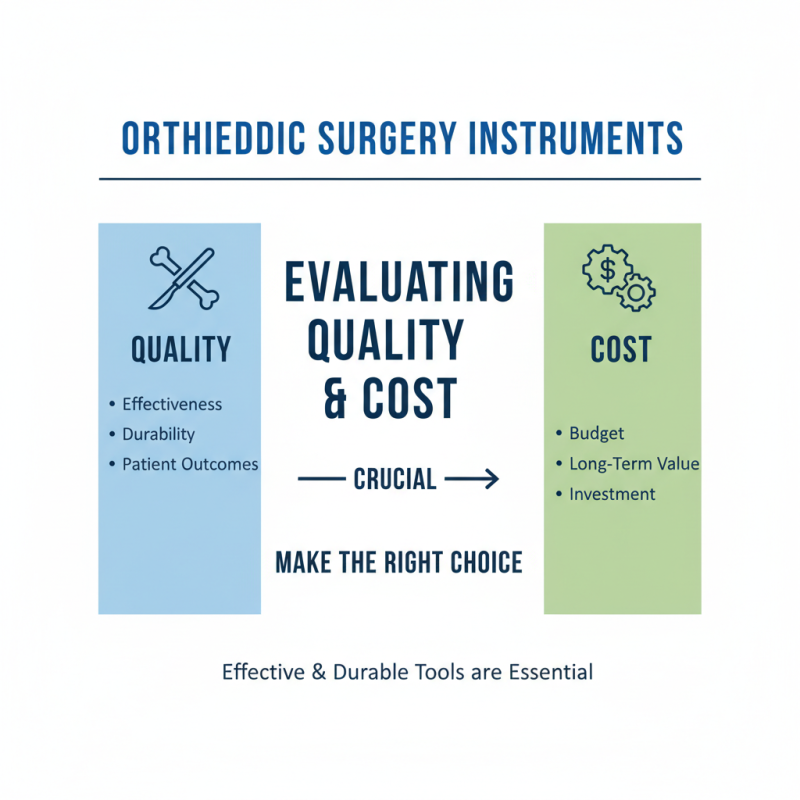
When selecting orthopedic surgery instruments, evaluating quality and cost is crucial. Surgeons rely on tools that are both effective and durable. Quality instruments can significantly affect patient outcomes. Therefore, it's essential to choose wisely.
Consider the materials and manufacturing processes. High-quality stainless steel may offer better performance and longevity. However, these benefits often come at a higher price. Balancing cost with quality can be challenging. An instrument that seems affordable might lack necessary reliability over time. It's worth examining past reviews and performance data.
Reflect on your specific needs as well. Different procedures require different tools. Sometimes, a less expensive option may serve your purpose effectively. Evaluating the experiences of peers can provide insights into value. Remember, the goal is to ensure patient safety and optimal results while managing your budget effectively.