2026 Top Titanium Hip Replacement Trends and Innovations?
The titanium hip replacement market is rapidly evolving. According to a recent report by Grand View Research, the global titanium hip implant market is expected to reach $9 billion by 2026. Innovations continue to emerge, promising better outcomes and fewer complications. Industry expert Dr. Emily Raines states, “The future of titanium hip replacements lies in personalized medicine.” This shift reflects a growing acknowledgment that tailored solutions can enhance patient recovery and satisfaction.
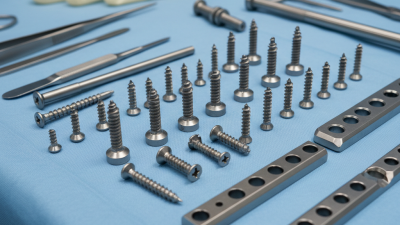
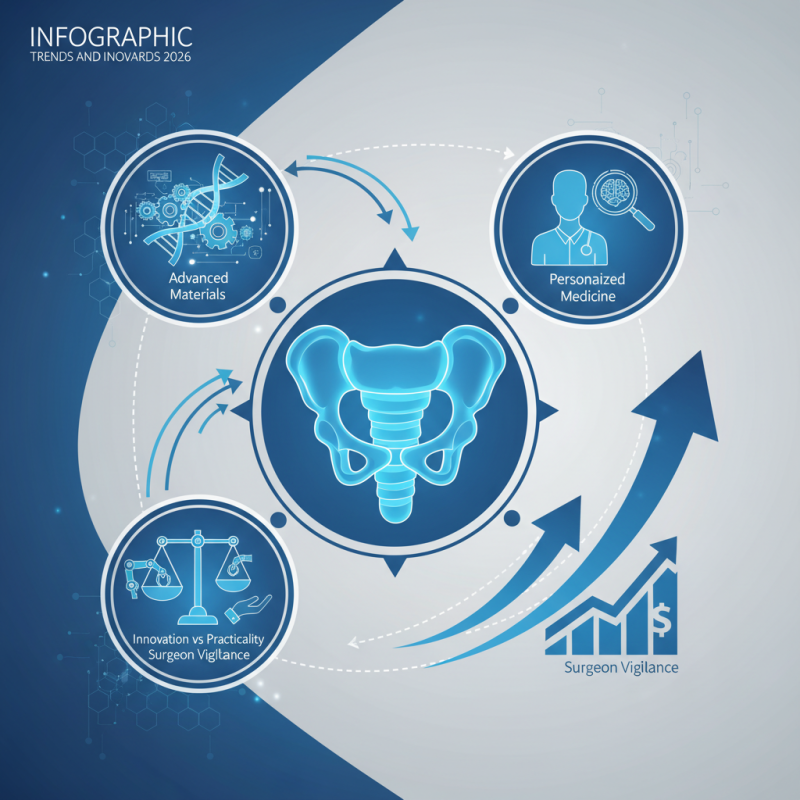
One key trend is the development of advanced materials. New titanium alloys improve durability while reducing weight. These innovations aim to minimize wear and tear, which is critical for long-term success. Additionally, additive manufacturing techniques are streamlining production, allowing for custom-fit components. Yet, not all innovations lead to perfect outcomes. Surgeons must remain vigilant about the varying responses of patients to new implants.
Patient education also plays a critical role. Many patients are unaware of their options regarding titanium hip replacements. Informative resources can empower individuals to make informed choices. Nevertheless, challenges remain. Not all medical professionals are up to date on the latest advancements. Striking a balance between innovation and practicality will be crucial as we approach 2026 in the titanium hip industry.
Emerging Materials in Titanium Hip Replacements for Enhanced Durability
Emerging materials in titanium hip replacements are crucial for enhancing durability and patient outcomes. Research indicates that titanium alloys show significant potential in reducing wear. In fact, according to a recent report by the Journal of Orthopedic Research, newer titanium composites can decrease surface wear rates by nearly 30%. This is vital, as wear-related issues often lead to implant failure.
Another promising material is porous titanium. This type mimics natural bone structure. It promotes better osseointegration, which is crucial for stability. Studies reveal that implants with porous titanium enhanced integration by 25% compared to traditional titanium. Increased integration can minimize complications. However, there are challenges. The manufacturing processes of these materials are complex. They require precision to ensure the desired characteristics.
Furthermore, the cost of developing these advanced materials can be high. Some facilities may hesitate to invest in the latest technologies. Balancing cost, safety, and effectiveness remains a pressing issue. Continuous research is necessary to refine these materials for broader use. With time, these innovations could significantly improve the quality of life for patients.
2026 Titanium Hip Replacement Materials Trends
Minimally Invasive Techniques Transforming Titanium Hip Replacement Procedures
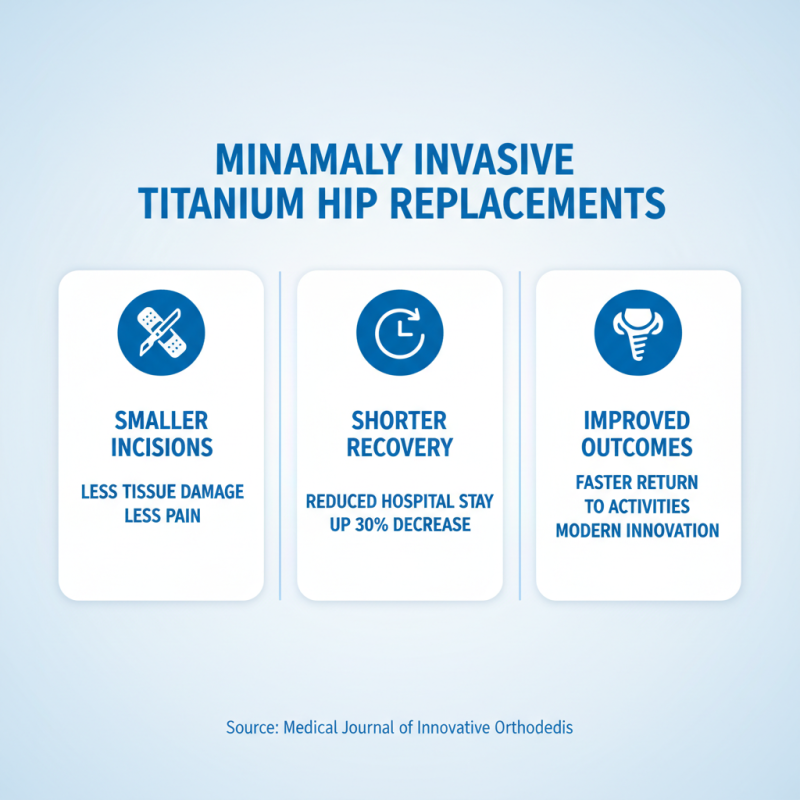
Minimally invasive techniques are changing the landscape of titanium hip replacements. Surgeons now use smaller incisions, reducing tissue damage. This innovation often leads to shorter recovery times. Patients typically experience less pain post-surgery. Data shows that minimally invasive procedures can decrease hospital stays by up to 30%.
However, these methods come with challenges. Not all surgeons are trained in these new techniques. Moreover, not every patient is a suitable candidate. Complications can arise, especially in complex cases. A study revealed that about 15% of patients experienced issues related to minimally invasive surgeries.
Long-term outcomes remain an area for reflection. Data suggests that while recovery is faster, durability may differ from traditional procedures. Some surgeons argue that conventional methods still offer better stability in high-demand patients. As more research is conducted, the balance between innovation and patient safety must be ongoing.
Patient-Centric Innovations in Titanium Hip Replacement Approaches
In recent years, patient-centric innovations in titanium hip replacement have gained traction. More surgeons are shifting focus to personalized solutions. Tailoring each procedure to the individual's anatomy enhances overall satisfaction. Innovations such as 3D printing allow for custom implants that fit better. This technology addresses the unique needs of patients, resulting in quicker recovery.
Furthermore, advancements in minimally invasive techniques are noteworthy. These methods reduce muscle damage and shorten hospital stays. Patients appreciate less pain and faster rehabilitation. Enhanced imaging technology assists surgeons in precision. Yet, not every patient benefits equally from these innovations. Some experience complications or have implants that don’t fully align.
Moreover, the importance of aftercare remains undeniable. Innovations in rehabilitation technologies aid recovery but can be overwhelming for some. Virtual reality and mobile apps guide patients through exercises. However, technology doesn't replace human interaction. Medical professionals need to balance tech use with personal care. Each patient's journey is unique, and their experiences deserve attention.
2026 Top Titanium Hip Replacement Trends and Innovations
| Trend/Innovation |
Description |
Patient Benefits |
Projected Adoption Year |
| Robotic-Assisted Surgery |
Use of robotic systems to enhance precision in hip replacement surgeries. |
Less invasive, faster recovery times, reduced pain. |
2026 |
| Personalized Implant Design |
Customization of titanium implants using 3D printing technology. |
Improved fit, increased longevity of implants. |
2026 |
| Smart Implants |
Integration of sensors to monitor implant performance and adjust care. |
Real-time data collection for better post-operative care. |
2026 |
| Enhanced Recovery Protocols |
Improved post-operative care and rehabilitation strategies for patients. |
Faster recovery, reduced hospital stays. |
2026 |
| Biocompatible Coatings |
New titanium coatings that reduce wear and improve integration with bone. |
Longer-lasting implants, lower risk of rejection. |
2026 |
Post-Operative Recovery Innovations for Titanium Hip Replacement Patients
Recent advancements in post-operative recovery for titanium hip replacement patients show promising trends. With about 450,000 titanium hip replacements performed annually in the U.S., optimizing recovery is crucial. Reports indicate that over 80% of patients are seeking faster recovery times and better mobility. Innovations such as enhanced pain management protocols are emerging as a focus area. These approaches often combine multimodal analgesia with techniques such as nerve blocks, aiming to reduce opioid use and side effects.
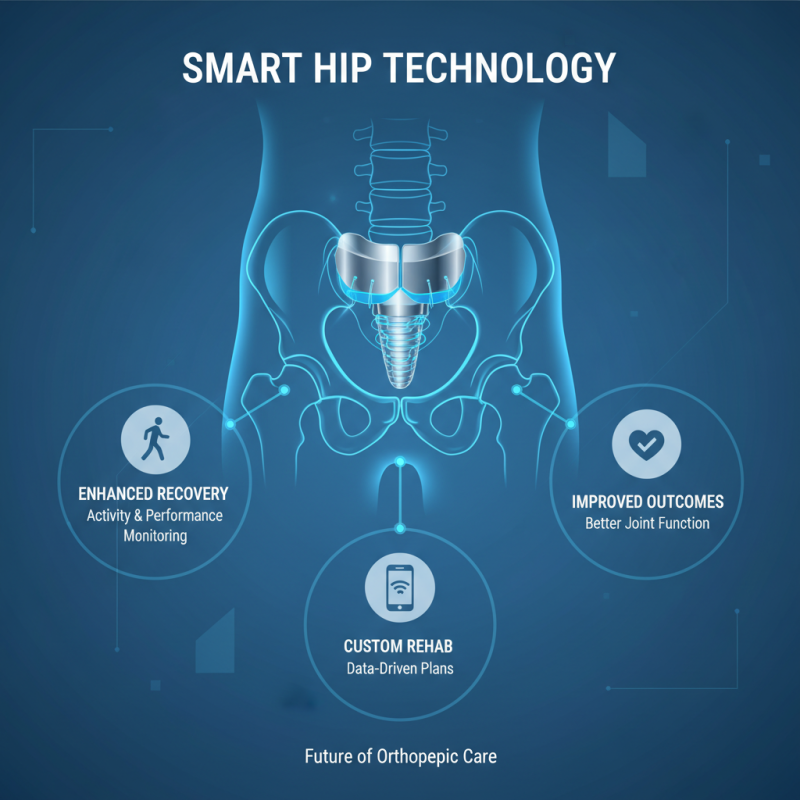
In addition to pain management, rehabilitation technology is gaining traction. Wearable devices offer real-time monitoring of recovery progress. These devices can alert healthcare providers about abnormal recovery patterns. Studies reveal that patients using rehabilitation apps improve their mobility by 30% within the first month post-surgery. This is a significant result, yet some patients still struggle with adherence to rehabilitation routines. Human factors, such as motivation and education, play a critical role here.
Despite advancements, challenges remain. Disparities in access to recovery resources can hinder outcomes for some patients. The integration of telehealth for follow-up consultations shows promise but may not be universally accessible. There is still a long way to go. Continuous research and patient-centered strategies are essential to enhance overall recovery experiences for all titanium hip replacement patients.