2026 Top Orthopedic Surgery Equipment Innovations You Should Know?
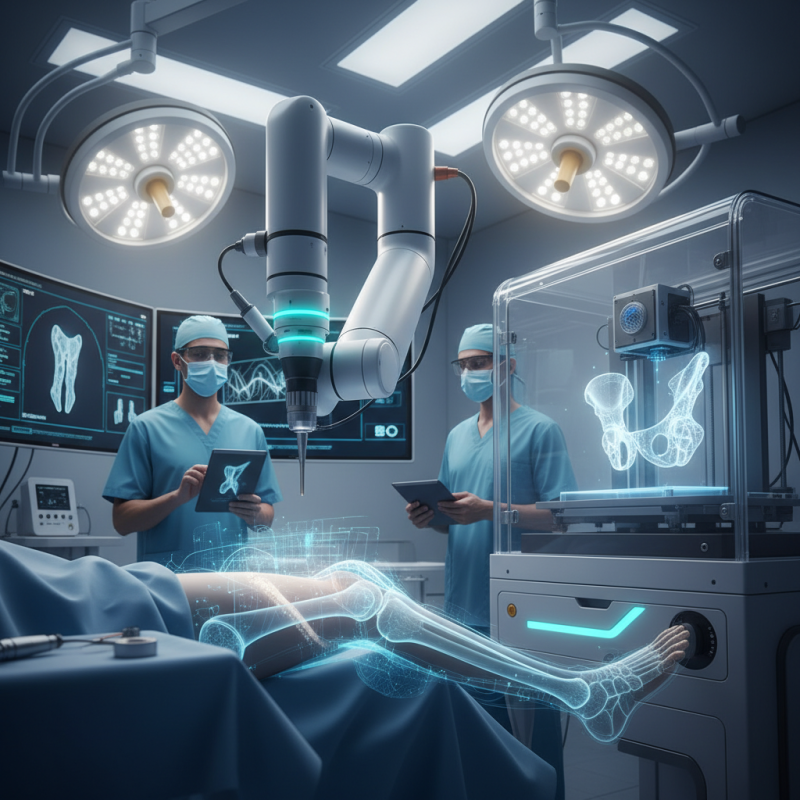
The field of orthopedic surgery is rapidly evolving. Innovations in orthopedic surgery equipment greatly enhance patient outcomes. New technologies improve precision and reduce recovery times.
For instance, robotic-assisted surgery tools are transforming how procedures are performed. They offer advantages such as improved accuracy. Surgeons find these advancements invaluable in delicate operations. Yet, some professionals express concerns about the learning curve involved.
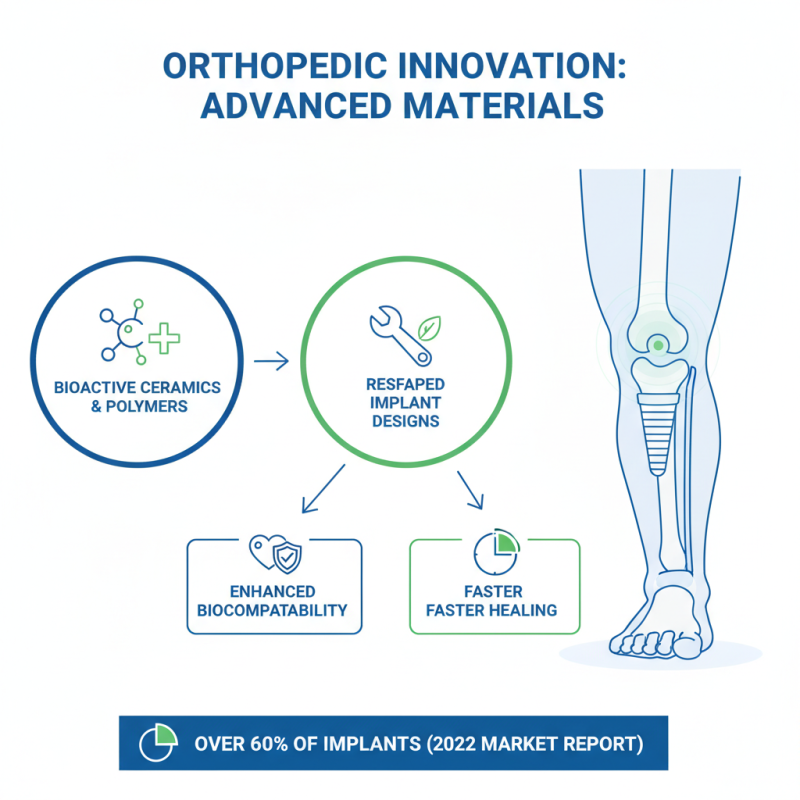
Moreover, 3D printing is revolutionizing equipment design. Customized implants perfectly fit patients’ unique anatomies. This approach promises better integration and fewer complications. However, the cost of such equipment can be daunting for some clinics. Overall, the future of orthopedic surgery equipment is exciting, yet it brings challenges that need careful consideration.
Emerging Technologies in Orthopedic Surgery Equipment for 2026
As we look toward 2026, orthopedic surgery equipment is on the brink of remarkable innovations. Emerging technologies are transforming how surgeries are performed. Robotics, for instance, can enhance precision. Surgeons may rely on robotic assistance to improve outcomes. This technology could lead to shorter recovery times and less trauma to surrounding tissues.
Virtual reality is another exciting avenue. Surgeons can practice procedures in a simulated environment. This allows for better preparation and skill refinement. Imagine stepping into a VR world where you can rehearse complex surgeries repeatedly. Yet, this technology is still being perfected, and not all facilities may implement it effectively.
Tips: Always stay updated with new tech developments in surgery. Join forums and attend workshops. Engage with peers to share experiences and insights. Explore how these innovations might improve your practice. Being proactive can make a significant difference in patient care.
2026 Top Orthopedic Surgery Equipment Innovations You Should Know
| Innovation |
Description |
Impact on Surgery |
Expected Adoption Rate (%) |
| Smart Surgical Instruments |
Instruments with integrated sensors and AI for real-time guidance. |
Increased precision and reduced surgery time. |
75% |
| 3D-Printed Implants |
Custom implants tailored to individual patient anatomy. |
Improved biocompatibility and patient outcomes. |
65% |
| Robotic-Assisted Surgery |
Use of robotic systems to assist surgeons during operations. |
Enhanced dexterity and reduced fatigue for surgeons. |
80% |
| Wearable Monitoring Devices |
Devices that monitor patient recovery metrics in real time. |
Facilitates timely interventions and personalized care. |
70% |
| Augmented Reality (AR) Visualization |
AR technologies for enhanced visualization during surgery. |
Improves anatomical understanding and surgical planning. |
68% |
Robotic Systems Revolutionizing Orthopedic Procedures
Robotic systems are transforming orthopedic procedures in remarkable ways. These advanced technologies enhance precision during surgeries. Surgeons now rely on robotic assistance for complex joint replacements and spinal surgeries. This reduces human error and improves patient outcomes. With robotics, smaller incisions are possible. This leads to quicker recovery times and less post-operative pain.
However, adopting robotic systems isn't without challenges. The learning curve for surgeons can be steep. Some may struggle to adapt to new technologies. Adequate training and practice are essential for effective use. Costs for these systems can also be substantial, raising concerns for healthcare institutions. Despite these hurdles, the potential benefits are significant. Improved accuracy and efficiency could redefine orthopedic care.
As these robotic innovations continue to evolve, ongoing assessment is crucial. Their integration into daily practices must prioritize patient safety and medical efficacy. The promise of robotic systems is immense, but so are the responsibilities that come with them. Balancing innovation with practical application will shape the future of orthopedic surgery.
2026 Top Orthopedic Surgery Equipment Innovations
This chart illustrates the adoption rates of various innovative orthopedic surgery equipment in 2026. The robotic arm innovations lead the way with a significant adoption rate, followed by minimally invasive surgical tools and 3D printed implants. The data reflects the growing integration of advanced technologies in orthopedic procedures.
Advancements in Imaging and Navigation Technologies
Advancements in imaging and navigation technologies are reshaping orthopedic surgery. According to a recent report by the Global Market Insights, the orthopedic imaging market is expected to exceed $5 billion by 2026. Surgeons increasingly rely on advanced imaging techniques to enhance precision. These tools provide real-time visualizations of the patient's anatomy, improving outcomes.
Navigation systems offer new ways to improve surgical accuracy. They guide surgeons during complex procedures, reducing the likelihood of complications. For instance, studies show that using 3D navigation reduces malalignment rates in joint replacement surgeries by 15%. However, challenges remain. Integration with existing systems can be cumbersome. Many facilities struggle to keep up with technological advancements.
Surgeons must be trained to use these sophisticated systems effectively. The learning curve could potentially overwhelm some professionals. Moreover, while these innovations promise improved outcomes, they also raise questions about accessibility. High costs can limit the implementation of cutting-edge technologies in underfunded hospitals. Balancing innovation with real-world applications remains a crucial issue.
Smart Surgical Instruments Enhancing Precision and Safety
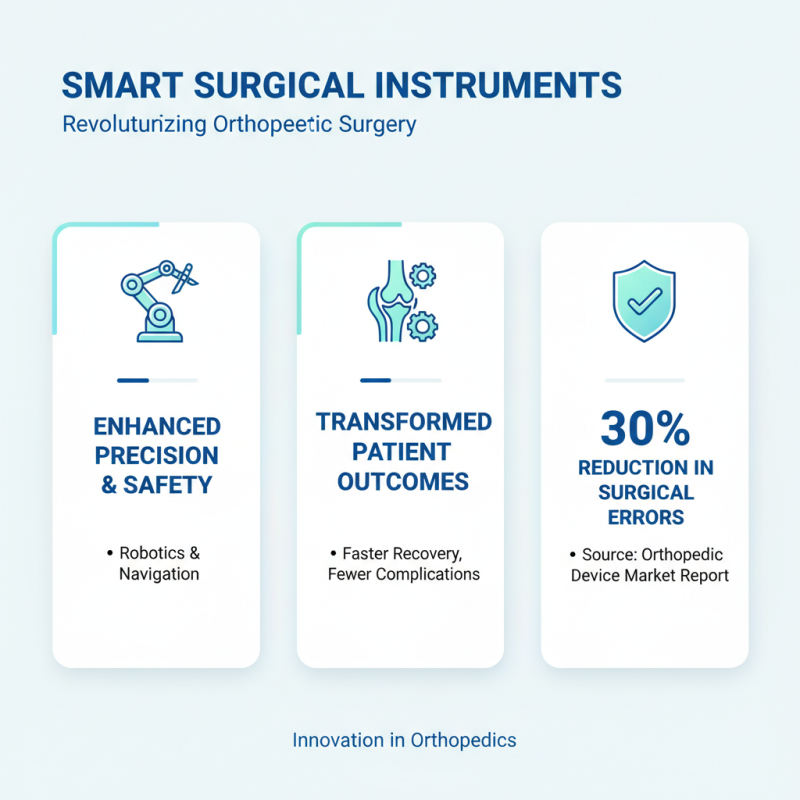
Smart surgical instruments are revolutionizing orthopedic surgery. These tools enhance precision and safety, transforming patient outcomes. According to a recent report by the Orthopedic Device Market, the adoption of smart technologies could reduce surgical errors by up to 30%. This is a significant improvement in an industry where precision is critical.
Robotic-assisted systems allow surgeons to perform complex procedures with greater accuracy. These systems can analyze data in real-time, providing insights that guide surgical decisions. An industry report highlighted a 25% reduction in recovery time when using advanced robotic techniques in joint replacements. Yet, some challenges remain. High costs and the need for specialized training can slow down widespread adoption.
Moreover, integrating these smart tools into existing workflows can be difficult. Surgeons often face a learning curve, which can temporarily affect surgical speed and efficiency. The potential benefits are undeniable, but the transition requires reflection and commitment from medical institutions. As technology continues to evolve, so too must the practices surrounding its implementation in the surgical field.