2026 Top Ortho Surgery Instruments for Global Buyers?
The world of ortho surgery instruments is rapidly evolving. As practitioners seek improved precision and efficiency, innovation becomes crucial. Dr. Sarah Johnson, an orthopedic surgeon with over 15 years of experience, states, “The right instruments can significantly enhance surgical outcomes.” Her insight highlights the importance of selecting the best tools available.
A wide range of ortho surgery instruments is available to global buyers in 2026. Each instrument offers unique benefits tailored to specific orthopedic procedures. For example, advanced fixation devices provide stability for complex fractures. Meanwhile, minimally invasive surgical tools minimize patient recovery time. These advancements reflect the increasing demand for quality and reliability in surgical settings.
However, not all instruments uphold the highest standards. Some tools may be outdated or ineffective, raising concerns among practitioners. Buyers must remain vigilant in evaluating their options. The proper selection of ortho surgery instruments is essential for ensuring patient safety and achieving successful surgical results.

2026 Overview of Orthopedic Surgery Instruments for International Markets
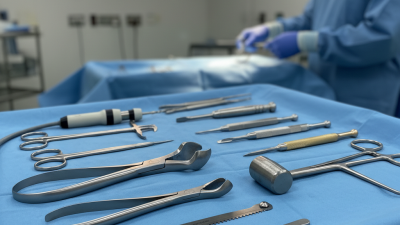
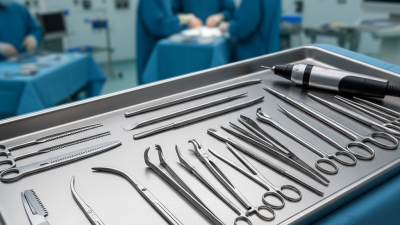
The orthopedic surgery instrument market is expanding globally. Surgeons are increasingly seeking advanced tools for better outcomes. In 2026, a variety of instruments will dominate. Innovative designs enhance precision. Instruments like orthopedic drills, saws, and fixation devices will be critical. Each serves a unique role in surgery.
Quality and reliability are paramount. Surgeons need instruments that withstand rigorous use. Yet, not all products meet stringent standards. Flaws can lead to complications. It’s essential for buyers to research manufacturers. Understanding material quality and design is crucial. Feedback from the surgical community offers insights into performance.
Emerging markets present both challenges and opportunities. Pricing strategies vary significantly across regions. Organizations must adapt to local needs. There is a demand for training on new instruments. Inadequate training can result in misuse and negatively impact patient care. Buyers must address these aspects to ensure success in the global market.
Key Features and Innovations in 2026 Orthopedic Surgery Instruments
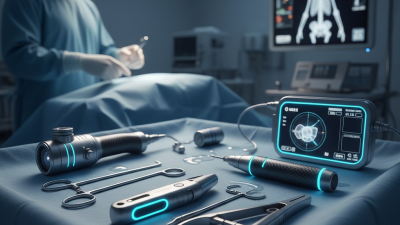
Orthopedic surgery instruments have seen significant advancements in 2026. One notable innovation is the incorporation of smart technology. These instruments now feature sensors that provide real-time data to surgeons. This data helps in making informed decisions during procedures. Surgeons can apply precise techniques, enhancing patient outcomes.
Another key feature is ergonomic design. Many new instruments focus on reducing hand fatigue. Lightweight materials and improved grips allow for extended use without compromising precision. This is vital, especially in lengthy surgeries. Surgeons have expressed the need for better tools that prioritize comfort.
Despite these advancements, challenges remain. Some instruments may still lack durability under high-stress situations. Feedback from the field indicates a desire for more robust options. Continuous improvement in design and materials is necessary. These factors should be considered as manufacturers look to meet the evolving needs of the healthcare industry.
2026 Top Ortho Surgery Instruments for Global Buyers
| Instrument Name |
Key Features |
Innovations |
Material |
| Power Drill |
Variable speed settings, ergonomic handle |
Noise reduction technology, lightweight design |
Titanium alloy |
| Surgical Saw |
Precision blades, controlled depth cutting |
Smart sensors for feedback, reduced vibration |
Stainless steel |
| Endoscope |
High-definition optics, flexible design |
3D visualization capabilities, increased maneuverability |
Medical-grade silicone |
| Bone Plates |
Variety of shapes, pre-drilled holes |
Bioactive coatings for better healing |
Polymer composites |
| Surgical Forceps |
Precision gripping, versatile designs |
Anti-slip surfaces, customizable tips |
Carbon steel |
Leading Manufacturers and Brands of Orthopedic Instruments in 2026
In 2026, the demand for orthopedic instruments continues to rise globally. This trend is motivated by the increasing prevalence of musculoskeletal disorders. A report by the Global Market Insights indicates that the orthopedic instruments market is projected to exceed $50 billion by 2026. This significant growth is driven by advancements in surgical techniques and the aging population.
Leading manufacturers are focusing on innovation and sustainability. Companies are increasingly working on products made with biodegradable materials. Their commitment to eco-friendly practices is changing the landscape of orthopedic instruments. A considerable portion of buyers now prioritizes sustainability alongside quality and effectiveness.
Tips: When selecting orthopedic instruments, consider ergonomics and usability. Instruments that enhance surgeon comfort can improve surgical outcomes. Stay informed about the latest innovations in the industry; they could offer better solutions. Regularly updating your inventory based on market trends will ensure you are always equipped with the best tools.
Market Trends and Demand for Orthopedic Surgery Instruments Globally
The global orthopedic surgery instruments market is witnessing significant growth. Recent reports indicate a projected CAGR of 5.2% from 2023 to 2028. This growth is driven by the rising incidence of orthopedic conditions and an aging population. The demand for minimally invasive surgeries is influencing instrument designs. Surgeons prefer tools that enhance precision and reduce recovery time.
Technological advancements are reshaping the orthopedic field. Robotics and 3D printing are becoming crucial in instrument manufacturing. A study found that 65% of orthopedic surgeons are integrating new technologies within their practices. However, the adoption rate varies. Some practitioners hesitate due to cost or a lack of training. This creates a need for ongoing education and financial support.
Supply chain disruptions also impact instrument availability. During the pandemic, many facilities faced shortages, highlighting the need for resilient supply chains. As global markets stabilize, a focus on reliable sourcing will become essential. Balancing innovation and accessibility will be a challenge. The orthopedic industry must continually adapt to align with evolving market demands and surgeon preferences.
2026 Top Orthopedic Surgery Instruments Market Trends
Guidelines for Selecting Orthopedic Surgery Instruments for Buyers
Choosing the right orthopedic surgery instruments is crucial for successful outcomes. Buyers must consider various factors to ensure they select high-quality tools. Understanding the specific needs of each surgery is essential. Not all instruments serve the same purpose. Each procedure may require unique tools.
Tips: Identify the types of surgeries performed most frequently. This knowledge helps narrow down essential instruments. Pay attention to the materials used in instrument construction. Durable materials can lead to increased longevity.
Another important aspect is the ergonomics of the instruments. Comfortable handles and balanced designs reduce fatigue during long surgeries. Surgeons should feel confident when using each tool. Proper instrument maintenance is vital too. Regular cleaning and inspection can prevent complications.
Tips: Always consult with experienced peers about their favorite instruments. Their insights can provide valuable recommendations. Don't hesitate to research new developments in orthopedic technology. Innovations can lead to better patient care and outcomes. Reflection on past experiences can highlight areas for improvement when selecting instruments.