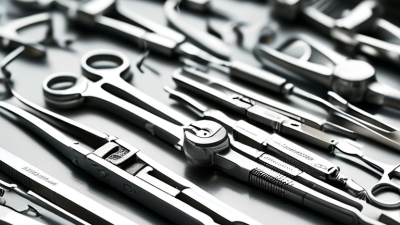
Choosing orthopedic surgery tools in 2026 requires more than comparing prices or browsing attractive product catalogs. Global buyers must evaluate performance, safety, traceability, and long-term support. A bone saw may look efficient online, yet its vibration, blade compatibility, and cleaning requirements can influence surgical workflow. Precision matters. Small details affect patient care.
This guide examines orthopedic surgery tools for hospitals, distributors, and surgical centers across different markets. It considers drills, saw systems, retractors, osteotomes, bone-holding forceps, and supporting accessories. Each category deserves practical review. Buyers should check material quality, ergonomic design, sterilization instructions, packaging integrity, and maintenance access. Evidence from manufacturers, clinical users, and qualified technical teams can strengthen purchasing decisions. Certifications may include ISO 13485, CE marking, or other market-specific requirements. However, approval in one region does not automatically guarantee acceptance elsewhere.
Reliable sourcing also depends on supplier transparency. Ask for technical files, batch information, warranty terms, training support, and service response times. Request samples when appropriate. Test instruments under realistic handling conditions. A tool that feels balanced during a brief demonstration may become tiring during a lengthy procedure. That matters. Some recommendations in this guide may require local clinical or regulatory review. No global checklist can replace professional judgment. Product specifications can change, and online information may become outdated. Buyers should verify current documentation before placing orders. The strongest purchasing process combines surgeon experience, biomedical engineering review, infection-control knowledge, and careful supplier communication. It is not flawless. It should remain open to correction.
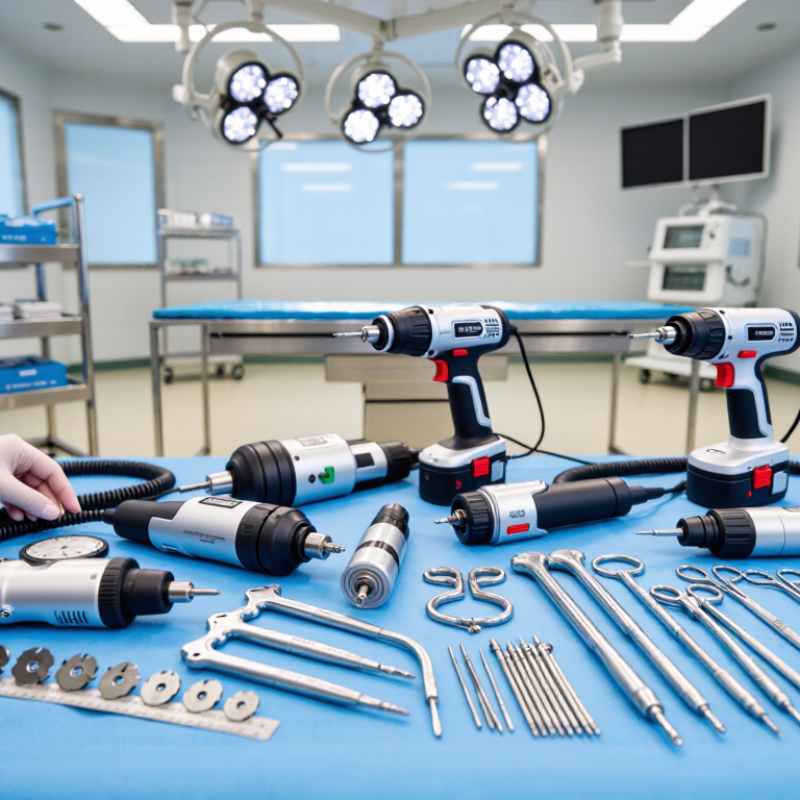
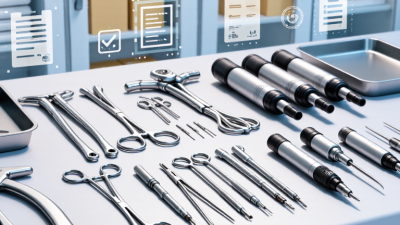
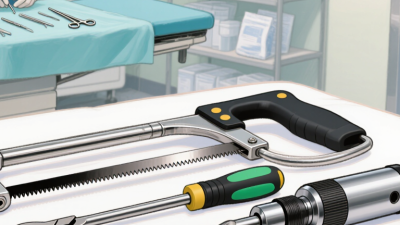
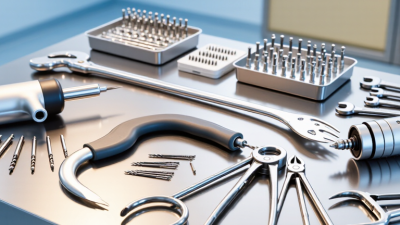
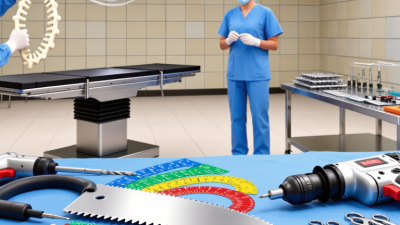
Orthopedic surgery tools are specialized instruments used to assess, prepare, stabilize, and repair bones, joints, and soft tissues. Their scope includes cutting guides, bone saws, drills, retractors, forceps, reduction tools, measuring devices, and implant-handling instruments. Each tool supports a defined clinical purpose, from exposing a fracture to preparing a joint surface with controlled accuracy.
For global buyers, selection should reflect procedure type, surgeon experience, operating-room layout, and local regulatory requirements. Material quality matters because repeated sterilization can affect surfaces, joints, and cutting edges. A well-balanced handle may reduce fatigue during lengthy procedures. Clear markings also help teams confirm depth, alignment, and size under pressure. However, a polished catalog does not prove clinical value. Performance data, traceability, cleaning instructions, and service support deserve equal attention. Some tools look similar but behave differently in dense cortical bone.
Tips: Match every instrument to a documented procedure. Check compatibility with existing trays and sterilizers. Ask for inspection records and validated reprocessing guidance. Train staff to identify loose hinges, dull edges, corrosion, and damaged insulation before use. Small defects can become serious during surgery. Cost comparisons should include maintenance, replacement cycles, training, and downtime. Buyers should also review applicable safety standards with qualified clinical and regulatory professionals. No checklist replaces practical evaluation, and experienced teams may still overlook workflow problems during rushed purchasing.
Orthopedic surgery tools are reusable or single-use instruments designed for bone cutting, drilling, preparation, reduction, fixation, and implant placement. Their clinical scope covers trauma surgery, joint replacement, sports medicine, spine procedures, and reconstructive orthopedics.
The chart presents representative clinical size ranges in millimeters for commonly used orthopedic tools. These ranges are intended for product-scope comparison rather than ranking or procurement specification; exact dimensions vary by procedure, anatomy, instrument system, and manufacturer instructions for use.
Orthopedic instrument selection begins with procedure, anatomy, and workflow, not with a glossy catalog. Cutting tools include osteotomes, bone saws, and curettes for shaping or removing bone. Drills and reamers prepare precise channels for screws, nails, and joint implants. They need stable grips and predictable cutting performance. Small differences matter. A poorly balanced handle can increase fatigue during a long case.
Grasping instruments, reduction forceps, and bone-holding clamps help surgeons align fractured segments. Retractors maintain exposure while protecting soft tissue from unnecessary pressure. Fixation tools include screwdrivers, depth gauges, torque-limiting drivers, and targeting guides. Each tool should match the selected fixation system and surgical technique. In joint procedures, rasps and broaches shape bone for component seating. Arthroscopic shavers, punches, and graspers support minimally invasive inspection and tissue treatment.
Power equipment can improve efficiency, but it demands careful control, battery checks, and compatible attachments. Reusable instruments require validated cleaning, inspection, packaging, and sterilization processes. Global buyers should verify corrosion resistance, measurement accuracy, service support, and documentation for local regulatory review. Surgeon feedback remains essential because catalog specifications cannot show every handling problem. No checklist is perfect. I would reassess instrument choice after real procedures, especially when visibility, access, or hand fatigue causes delays. That practical review often reveals needs missed during procurement.
A practical reference for evaluating commonly used orthopedic instruments by procedure, function, and purchasing considerations.
| Core Category | Representative Instruments | Primary Surgical Use | Typical Procedures | Common Materials | Key Buyer Considerations |
|---|---|---|---|---|---|
| Bone Cutting and Reshaping | Oscillating saw blades, reciprocating saw blades, osteotomes, gouges, bone files | Cutting, contouring, splitting, or removing bone | Joint replacement, corrective osteotomy, fracture reconstruction, bone graft preparation | Surgical stainless steel, hardened steel, carbide-tipped components | Blade compatibility, cutting efficiency, heat generation, sterilization durability, replacement availability |
| Drilling and Reaming | Drill bits, cannulated drills, flexible reamers, acetabular reamers, intramedullary reamers | Creating holes, preparing canals, and sizing implant beds | Fracture fixation, intramedullary nailing, hip arthroplasty, shoulder arthroplasty | Stainless steel, cobalt-chromium alloys, titanium alloys, polymerized cutting surfaces | Diameter accuracy, cannulation, connection type, torque resistance, cleaning of internal channels |
| Reduction and Holding | Reduction forceps, pointed reduction clamps, bone-holding forceps, pelvic reduction clamps | Aligning and temporarily stabilizing bone fragments | Open reduction and internal fixation, pelvic surgery, periarticular fracture repair | Stainless steel, titanium, anodized aluminum for selected non-load-bearing components | Jaw geometry, grip strength, ratchet reliability, atraumatic contact surfaces, radiographic visibility where relevant |
| Implant and Plate Handling | Plate benders, plate-holding forceps, implant pushers, depth gauges, screw-holding forceps | Positioning, contouring, measuring, and securing orthopedic implants | Plate-and-screw fixation, periarticular plating, spinal and small-fragment procedures | Stainless steel, titanium, cobalt-chromium alloys, engineering polymers for handles | Fit with implant systems, measurement readability, controlled bending, surface protection, modularity |
| Screwdriving and Fixation | Hexalobular, hexagonal, and cruciform drivers; torque-limiting handles; tap sets | Tapping bone and inserting, tightening, or removing fixation screws | Trauma fixation, spinal fixation, hand and foot surgery, external-fixator assembly | Hardened stainless steel, chrome-molybdenum steel, titanium-compatible driver materials | Interface precision, torque calibration, wear resistance, color coding, compatibility with screw heads |
| Intramedullary Nailing | Entry awls, guide wires, ball-tip guide rods, reaming systems, targeting guides | Accessing and preparing the medullary canal and guiding nail insertion | Femoral, tibial, and humeral shaft fracture fixation | Stainless steel, nickel-titanium or similar flexible alloys for selected guide wires, polymers for handles | Guide-wire flexibility, radiopacity, targeting accuracy, reamer performance, system interoperability |
| Arthroplasty Instrumentation | Broaches, rasp handles, trial heads, trial liners, alignment guides, impactors, extraction tools | Preparing bone and assessing implant size, alignment, and joint stability | Total hip, knee, shoulder, and partial joint replacement | Stainless steel, cobalt-chromium alloys, titanium alloys, radiolucent polymers for selected guides | Dimensional accuracy, alignment reproducibility, trial identification, impact resistance, instrument tracking |
| Arthroscopy | Arthroscopes, cannulas, trocars, graspers, punches, shavers, tissue probes | Visualizing and treating joint structures through small portals | Knee meniscal repair, shoulder instability repair, rotator cuff procedures, hip arthroscopy | Stainless steel, surgical-grade polymers, optical glass, ceramic or sapphire lens components | Image quality, working-channel size, seal integrity, cleaning access, compatibility with light and camera systems |
| Soft-Tissue and Tendon Repair | Tendon forceps, suture passers, needle holders, tissue elevators, meniscal repair instruments | Handling, mobilizing, suturing, and anchoring tendons, ligaments, and capsule tissue | Rotator cuff repair, ligament reconstruction, tendon repair, meniscal repair | Stainless steel, titanium, medical-grade polymers, silicone components in selected handles or seals | Atraumatic jaws, suture compatibility, tactile control, tip geometry, resistance to repeated sterilization |
| Spinal Surgery | Rongeurs, Kerrison punches, pedicle probes, ball-tip feelers, rod benders, rod reducers | Removing bone or disc material and placing or contouring spinal fixation components | Decompression, laminectomy, spinal fusion, deformity correction | Stainless steel, titanium alloys, cobalt-chromium alloys, high-performance polymers | Fine-tip control, jaw alignment, ergonomic access, torque handling, compatibility with navigation workflows |
| External Fixation | Schanz pin drivers, pin cutters, frame wrenches, clamps, tensioning devices | Applying pins and assembling adjustable frames outside the body | Complex fractures, open fractures, limb lengthening, temporary stabilization | Stainless steel, titanium, aluminum alloys, carbon-fiber frame components | Clamping range, pin-driver fit, frame rigidity, corrosion resistance, field-adjustment capability |
| Casting and Immobilization | Plaster shears, cast spreaders, cast knives, bandage scissors, padding cutters | Applying, trimming, opening, and removing casts or splints | Fracture immobilization, postoperative protection, pediatric orthopedic care | Stainless steel, coated steel, non-slip polymers | User safety, blade protection, corrosion resistance, ambidextrous handling, ease of cleaning |
| Measuring and Alignment | Depth gauges, calipers, alignment rods, angle guides, templating tools, goniometers | Measuring bone dimensions and maintaining surgical alignment | Fracture fixation, osteotomy, arthroplasty, limb alignment assessment | Stainless steel, aluminum alloys, radiolucent polymers, laser-marked scales | Scale readability, calibration stability, measurement range, radiographic compatibility, cleaning validation |
| Instrument Care and Sterile Processing | Instrument trays, silicone mats, cleaning brushes, lubrication accessories, sterilization containers | Organizing, cleaning, inspecting, protecting, and sterilizing surgical instruments | All orthopedic procedures requiring reusable instruments | Stainless steel, anodized aluminum, silicone, medical-grade engineering polymers | Steam-sterilization compatibility, drainage, instrument identification, corrosion control, serviceability |
Purchasing note: Product selection should be based on the intended procedure, applicable medical-device regulations, validated sterilization instructions, surgeon preference, hospital reprocessing protocols, and verified instrument compatibility.
Modern orthopedic surgery tools must balance strength, control, and safe handling. High-grade stainless steel remains common for scalpels, rongeurs, osteotomes, and bone-cutting instruments. It resists corrosion and tolerates repeated sterilization. Titanium offers lower weight and useful strength for selected powered or precision instruments. Some handles use medical-grade polymers for grip comfort and insulation.
Small details affect surgical performance. Textured handles can improve control when gloves become wet. Clear depth markings help surgeons judge implant preparation more accurately. Torque-limiting drivers reduce the risk of over-tightening fixation components. Battery-powered drills and saws should provide stable speed, low vibration, and quick cleaning access. Modular designs may simplify maintenance, but extra joints can trap contamination if cleaning instructions are unclear.
Not every polished instrument performs well. Finish matters. Yet balance, alignment, and service support often matter more. Procurement teams should check material certificates, sterilization compatibility, dimensional accuracy, and repair procedures. Compatibility with trays, navigation systems, and commonly used fixation sets also deserves attention. Clinical engineers can test grip fatigue and cutting precision before large orders. A tool may look excellent in a catalog but feel awkward after ten minutes of use. That practical gap is easy to miss. Global buyers should request representative samples, inspect packaging integrity, and confirm documentation for their destination market. Celsius, voltage, and connector differences can create avoidable problems.
For 2026 orthopedic surgery tools, global buyers should assess clinical fit before purchase price.
The WHO Global Report on Assistive Technology (2022) estimates that more than 2.5 billion people need assistive products. That figure may exceed 3.5 billion by 2050. Orthopedic facilities therefore need instruments that support growing surgical demand, not just attractive catalogs.
Start with intended procedures, tissue handling, and surgeon experience. Check material composition, corrosion resistance, grip control, and compatibility with validated sterilization cycles.
ISO 13485:2016 emphasizes risk-based quality management for medical devices. Buyers should request batch traceability, inspection records, cleaning instructions, and verification data.
Local registration also matters. Requirements differ across markets. A tool approved in one country may still need separate evaluation elsewhere.
Workflow evidence is equally important.
The OECD Health at a Glance 2023 report shows substantial variation in joint replacement activity across countries. Facilities should compare instruments with local procedure volumes, staffing, and training capacity.
Ergonomic handles can reduce fatigue, but claims need practical testing. Ask surgeons to trial representative sets under operating-room conditions. Measure setup time, visibility, reprocessing effort, and failure rates.
Do not ignore service access or replacement lead times. A low unit price can hide costly downtime.
No checklist is perfect. Buyers may still overvalue specifications and undervalue daily usability.
A documented scoring system, reviewed by surgeons, sterile-processing staff, procurement teams, and biomedical engineers, creates a more reliable decision.
Global orthopedic buyers are looking beyond sharper edges and lighter handles in 2026. The strongest designs connect operating-room usability with documented risk control. Surgeons increasingly expect balanced grips, clear orientation marks, modular components, and tactile feedback during deep procedures. These details matter when gloves are wet or visibility is limited. Small choices matter.
Torque-limiting drivers, controlled cutting geometry, and atraumatic contact surfaces can reduce avoidable handling errors. However, no feature replaces validated cleaning and sterilization instructions. Manufacturers should show material specifications, reprocessing limits, test methods, and traceability data in accessible files. That evidence helps procurement teams compare instruments without relying on sales language. Some digital tracking features improve traceability but add training, connectivity, and maintenance demands. The most advanced option is not always the best one.
Compliance is becoming more visible in daily purchasing decisions. Global buyers may need ISO 13485 alignment, ISO 14971-based risk files, and market-specific technical documentation. Sterile packaging, labeling, UDI readiness, and post-market feedback also deserve practical review. Paperwork is part of safety. Still, compliance claims can hide gaps. A complete-looking dossier may lack regional validation or clear reprocessing evidence. Buyers should ask uncomfortable questions, request current records, and involve clinical users before approval. That extra scrutiny can slow a purchase, but it may prevent an expensive mistake.