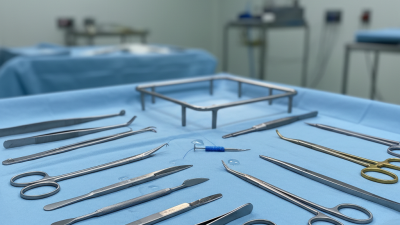
2026 Best Orthopedic Surgical Tools for Enhanced Precision and Safety?
In today's rapidly evolving medical field, orthopedic surgical tools play a crucial role. These instruments directly impact surgical outcomes and patient safety. Precision is essential in orthopedic procedures, as even a minor error can have significant consequences.
Innovations in surgical tools enhance the ability of surgeons. For instance, advanced imaging techniques allow for better visualization. This results in more accurate incisions and improved alignment of bones. Still, not all tools are flawless. Some remain costly and complex, posing challenges for adoption.
Surgeons must continually evaluate their tools. The best orthopedic surgical tools are those that combine effectiveness with ease of use. As the industry progresses, ongoing reflection on tool selection and application will be vital for achieving optimal results.
Overview of Orthopedic Surgical Tools in 2026
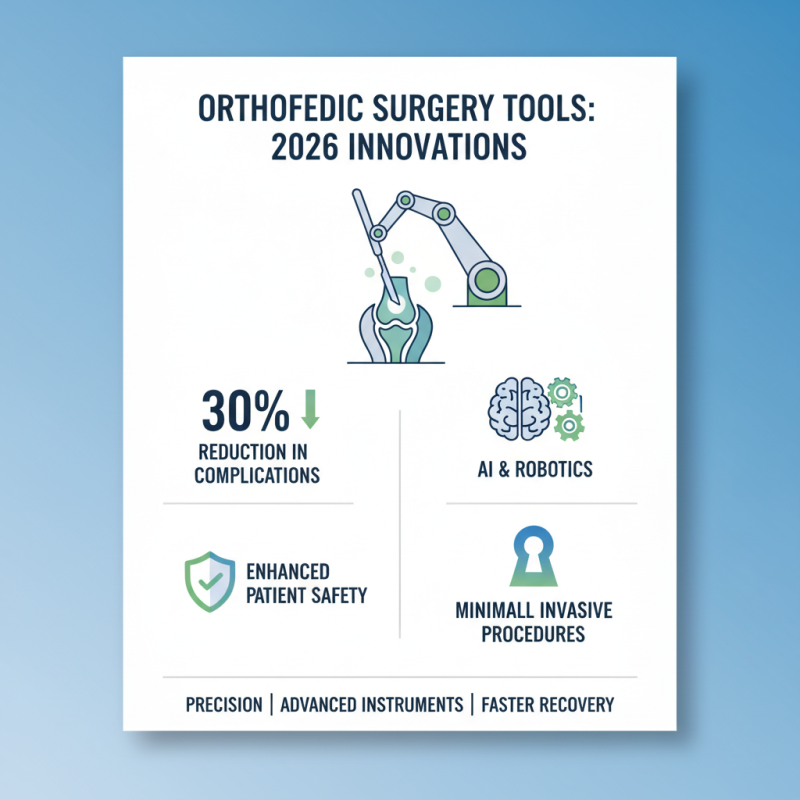
In 2026, the field of orthopedic surgery has seen significant advances in surgical tools. These tools enhance precision and ensure patient safety during operations. A recent report indicates that refined instruments can reduce complications by up to 30%. Surgeons now rely on robotics and smart technology, allowing for minimally invasive procedures.
**Tip:** Consider practicing with simulation training. It builds confidence and familiarity with new tools.
New materials, such as stronger alloys and lighter composites, have transformed tool design. These innovations help reduce fatigue during lengthy surgeries. However, not every tool meets the highest standards. It’s crucial for orthopedic professionals to evaluate the performance of their instruments rigorously.
**Tip:** Regularly assess your surgical tools for wear. This can prevent unexpected failures during crucial moments.
Training staff on proper tool usage is vital. A recent survey showed that 15% of surgical errors were linked to misused instruments. Continuous education programs can address this gap. Keeping abreast of evolving technologies can enhance the entire surgical team's effectiveness.
Key Features Enhancing Precision in Orthopedic Surgery
Precision in orthopedic surgery is paramount. Surgeons rely on advanced tools to improve patient outcomes. Key features enhancing precision include ergonomic designs and advanced imaging technologies. Studies show that accurate alignment during procedures can reduce complication rates by up to 25%. Tools that offer real-time feedback help surgeons make informed decisions instantly.
The integration of robotics in surgery marks a significant leap forward. Robotic-assisted instruments allow for smaller incisions and better visibility. Research indicates that these methods improve surgical precision and recovery times. However, the reliance on technology raises concerns about training for effective use. Surgeons must be adept at both traditional techniques and advanced tools.
Moreover, data suggest that even with high-tech tools, human factors play a critical role. Fatigue and stress can affect performance. Addressing these factors is essential. Continuous education and support systems are necessary for surgeons to thrive. Balancing technology with human skills is a vital aspect of enhancing surgical precision.
2026 Best Orthopedic Surgical Tools for Enhanced Precision and Safety
| Tool Name |
Key Features |
Precision Level |
Safety Features |
Weight (grams) |
| Surgical Scalpel |
Ultra-sharp blade, ergonomic handle |
High precision |
Safety guard |
30 |
| Orthopedic Drill |
High-speed rotation, adjustable torque |
Very high precision |
Automatic shut-off |
500 |
| Surgical Saw |
Lightweight design, variable speed |
High precision |
Safety lock |
800 |
| Bone Clamp |
Non-slip grip, adjustable pressure |
Moderate precision |
Padding for protection |
150 |
| Surgical Forceps |
Fine tips, locking mechanism |
High precision |
Ergonomic design |
200 |
Safety Innovations in Modern Orthopedic Instruments
In the field of orthopedics, safety innovations are crucial. Modern instruments incorporate advanced materials, which enhance durability and reduce the risk of infection. A report from the Orthopedic Research Society highlights that 30% of surgical site infections stem from instrument contamination. Therefore, innovation focuses on ease of cleaning and sterilization.
Manufacturers now employ antimicrobial coatings on their tools. These coatings actively inhibit bacterial growth. According to a study published in the Journal of Bone and Joint Surgery, such innovations can lower infection rates by up to 50%. Precision in surgical tools also minimizes tissue damage, reducing recovery time for patients.
Tips: Regularly examine your surgical instruments for wear and tear. Quality checks should be routine. Consider investing in advanced sterilization equipment to ensure safety. Remember, even minor improvements in technology can significantly impact patient outcomes.
Comparative Analysis of Top Surgical Tools Available in 2026
As we look ahead to 2026, the landscape of orthopedic surgical tools is evolving rapidly. Precision and safety are crucial in surgery. Surgeons need quality instruments that enhance their capabilities. Tools that offer ergonomic designs will reduce strain during long procedures. Lightweight materials are becoming standard. These advancements can improve overall patient outcomes.
Tips: Always prioritize comfort in tool design. Ergonomics matter greatly in the operating room. Choose tools that allow for easy maneuverability.
Comparative analyses indicate that innovations in instrumentation are focused on reducing errors. Enhanced imaging integration allows surgeons to visualize anatomy more clearly. Some tools now feature real-time feedback. However, not all tools are intuitive to use. Training on new tech is essential but can be a barrier.
Tips: Invest time in training. Familiarization with new tools will prevent mistakes. Don’t underestimate the learning curve. Each tool has unique features that require practice.
Future Trends in Orthopedic Surgical Technology and Tool Development
The future of orthopedic surgical technology is evolving rapidly. Enhanced precision and safety in surgery are becoming the primary goals. Tools are being designed with advanced materials and smart technology. These innovations aim to streamline complex procedures and improve patient outcomes.
Consider robotic-assisted tools. They offer surgeons greater accuracy and reduce variability during procedures. However, their implementation requires training and adaptation. Not all medical professionals are on board with these changes. Some fear reliance on technology may overshadow hands-on skills. Balancing innovation with tried-and-true techniques remains a challenge.
Another trend is the use of augmented reality. Surgeons can visualize anatomy in real-time. This allows for better decision-making during surgery. Yet, this technology is not foolproof. It relies heavily on software, which can malfunction. Ensuring reliability in high-stakes scenarios is crucial. It raises questions about technology's role in surgical environments.