How to Choose the Right Orthopedic Surgery Tools for Your Practice
Choosing the right orthopedic surgery tools is crucial for successful patient outcomes. According to a recent report from the Orthopedic Surgery Journal, 70% of surgical complications stem from improper instrument selection. This statistic highlights the importance of carefully evaluating each tool for its specific application.
Orthopedic practices must consider the latest technology and materials available. For instance, titanium versus stainless steel tools can greatly affect the durability and patient recovery times. Moreover, many surgeons report difficulty in accessing the right tools, leading to inefficient procedures. Optimizing your selection process can alleviate this issue.
It's vital to stay updated on advancements in orthopedic surgery tools. New innovations can improve precision and reduce recovery time. However, the overwhelming number of options can be daunting. Practices must continually reflect on their toolset and adapt to changes in surgical techniques and patient needs. Emphasizing education and feedback from surgical teams can aid in making informed choices in this constantly evolving field.

Factors to Consider When Selecting Orthopedic Surgery Tools
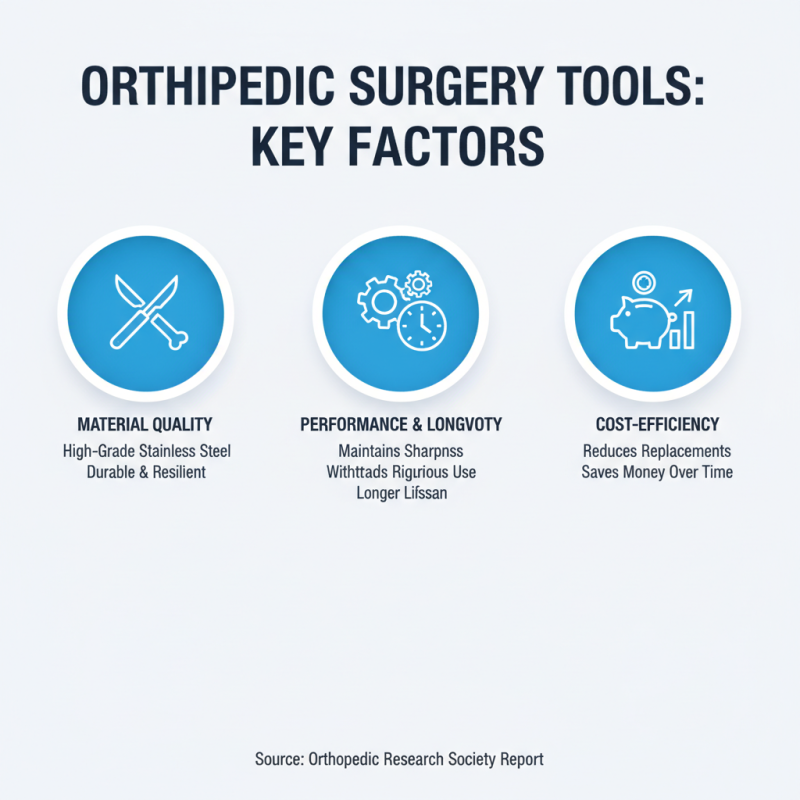
When selecting orthopedic surgery tools, several key factors come into play. The quality of materials is paramount. Surgical instruments must withstand rigorous usage while maintaining sharpness and durability. A report from the Orthopedic Research Society notes that high-quality stainless steel instruments last significantly longer than inferior options. This leads to cost efficiency over time.
Another important aspect is ergonomics. Instruments must fit well in a surgeon’s hand to minimize fatigue. A comfortable grip helps maintain precision during complex procedures. Studies show that ergonomic tools can reduce the rate of errors by up to 15%. This is critical, as even minor mistakes can lead to significant patient complications.
**Tip:** Always consider the weight of the tools. Heavier instruments can lead to strain during lengthy surgeries.
Furthermore, evaluate the range of tools available. A well-equipped practice often accommodates various surgical techniques and patient needs. Diversity in tools can enhance procedural flexibility. Yet, it’s essential to balance variety and practicality.
**Tip:** Frequent consultations with surgical teams can reveal real-world needs. Engaging with your staff ensures the selected tools align with daily practices and challenges.
Types of Orthopedic Tools and Their Specific Applications
When selecting orthopedic tools, understanding their specific applications is crucial. Different surgical procedures require distinct instruments. For instance, a report from the American Academy of Orthopaedic Surgeons highlights the importance of precision tools, such as oscillating saws and retractors, in joint replacement surgeries. These tools ensure less tissue damage and quicker recovery times.
Another type of tool is the orthopedic drill, essential for fixation procedures. According to a recent survey, nearly 70% of surgeons favored electric drills over manual ones for their efficiency. Electric drills reduce fatigue during long surgeries and enhance precision. However, some surgeons still question their reliability compared to traditional manual drills.
Surgical navigation systems are on the rise, providing real-time imaging. While these systems improve accuracy, they require significant training. Many practitioners express concerns about their complexity. Balancing advanced technology with ease of use remains a challenge. Selecting the right orthopedic tools demands understanding their potentials and limitations. In the evolving landscape of orthopedic surgery, continuous learning is key to optimizing patient outcomes.
Evaluating the Quality and Reliability of Surgical Instruments
Choosing the right orthopedic surgery tools is crucial for successful outcomes. To evaluate the quality and reliability of surgical instruments, several factors should be considered. Materials used should be durable yet lightweight. High-quality steel is commonly preferred. Instruments should withstand repeated sterilization without losing their edge. Improper tools could lead to complications.
Tips for evaluation: Check certifications of the instruments. Ensure they meet industry standards. Look for user reviews about their performance. Pay attention to feedback from fellow surgeons. Sometimes, instruments that seem reliable may fail during crucial moments. Investigate the manufacturing details.
Another aspect to consider is the ergonomics of the tools. They should be comfortable to handle. An uncomfortable grip can lead to fatigue. Fatigue can affect precision during surgery. Always test instruments before making a bulk purchase. Remember, cost does not always equal quality. Investing time in evaluation can save future headaches.
Importance of Ergonomics in Orthopedic Tool Selection
When selecting orthopedic tools, ergonomics plays a crucial role. Choosing tools that fit comfortably in your hand can reduce strain during long surgeries. Consider the weight and design of each tool. Heavier tools can lead to fatigue, especially when used frequently. A well-balanced instrument allows for precision without unnecessary exertion.
Pay attention to grip design. Some tools come with ergonomic handles that prevent slippage and enhance control. This can be vital in delicate procedures. Additionally, the angle of the tool's head can impact your posture. Tools that align with the body's natural movements can prevent injuries over time.
Evaluate the materials used in the tools as well. Some materials might feel comfortable initially but can cause issues later. Always prioritize your health and that of your team. A tool that helps you operate efficiently may not be the best if it compromises your safety or comfort in the long run. Reflect on your experiences with different tools and choose wisely.
How to Choose the Right Orthopedic Surgery Tools for Your Practice - Importance of Ergonomics in Orthopedic Tool Selection
| Tool Type |
Material |
Weight (grams) |
Ergonomic Design |
Recommended Use |
| Scalpel |
Stainless Steel |
50 |
Yes |
Skin Incisions |
| Bone Saw |
Carbon Steel |
2000 |
No |
Bone Cutting |
| Forceps |
Titanium |
120 |
Yes |
Tissue Grasping |
| Scissors |
Stainless Steel |
80 |
Yes |
Cutting Sutures |
| Drill |
Aluminum |
1500 |
Yes |
Bone Drilling |
Cost-Benefit Analysis of Orthopedic Equipment Investments
Investing in orthopedic equipment is a significant decision for any practice. A recent report indicates that nearly 40% of surgical practices struggle with equipment costs versus patient volume ratios. Evaluating the cost-benefit of tools is crucial for long-term success. For instance, high-quality surgical instruments can increase efficiency and reduce operation time. Studies show that quicker procedures lead to improved patient satisfaction and enhanced recovery outcomes.
However, many practices still hesitate. They might fear substantial upfront costs. Yet, a study from the Orthopedic Journal reveals that practices investing 20% more in equipment often see a 30% return on investment within two years. The initial expense can be daunting, but long-term savings are substantial. It’s essential to consider not just the price, but also the value. Equipment that minimizes complications can lead to fewer follow-up surgeries, which ultimately saves money.
Balancing the scales of quality and cost requires careful thought. Practices must ask themselves tough questions about their needs. Are lower-priced options sacrificing performance? Or is there an opportunity to enhance workflows with premium tools? Reflecting on these aspects helps ensure that investments align with expected patient outcomes and overall practice goals.
Cost-Benefit Analysis of Orthopedic Equipment Investments