Top 10 Essential Surgery Tools Every Surgeon Should Know?
In the realm of medicine, the right surgery tools can make all the difference. Surgeons rely on these essential instruments to perform intricate procedures safely and efficiently. Each tool serves a unique purpose, from cutting to suturing. A deep understanding of these instruments is crucial for successful outcomes.
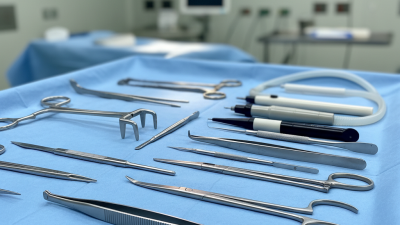
Some tools are simple, yet vital. Scalpels and scissors allow for precision incisions. Forceps are critical for grasping tissue. Other tools, like retractors, help visualize the surgical field. Without them, surgery would be challenging. Yet, even proficient surgeons sometimes encounter issues. Tools can fail, leading to unexpected complications.
Familiarity with surgery tools is a continuous journey. New technology emerges regularly, enhancing surgical methods. Surgeons must adapt and learn. Reflecting on experiences with these tools helps improve skills. Mastery goes beyond initial training. It requires ongoing practice and critical evaluation. Understanding both the capabilities and limitations of surgery tools is essential for excellence in surgery.
Top 10 Essential Surgery Tools Every Surgeon Should Know
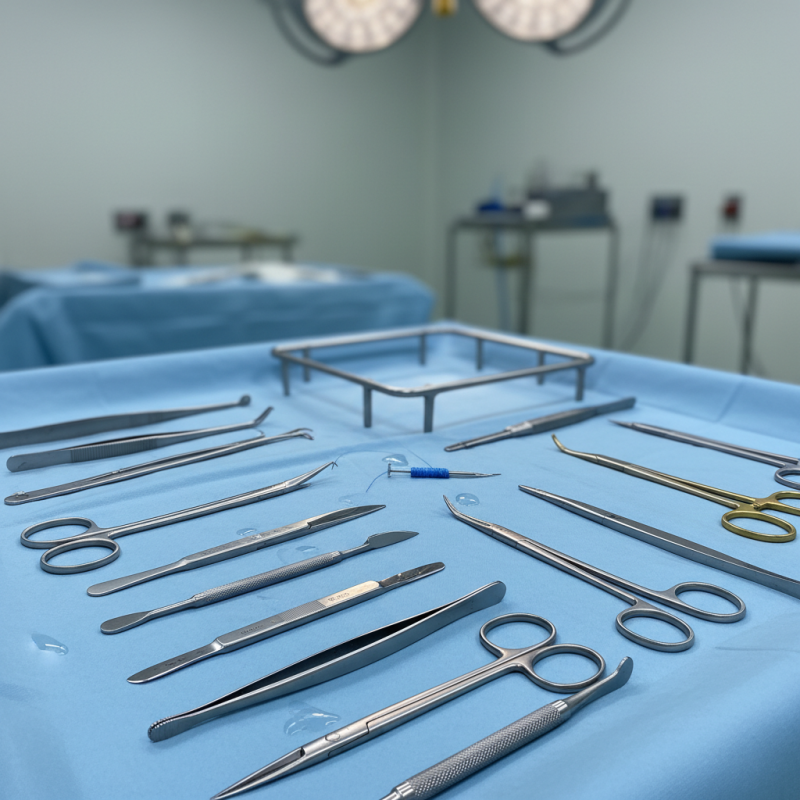
When it comes to surgery, the tools are crucial. Every surgeon must be familiar with them. A scalpel is a basic yet essential tool. It cuts through tissue with precision. Each surgeon develops a personal preference for its handle. In some cases, they struggle with grips, which can affect the incision's accuracy.
Scissors are another vital instrument in the operating room. They vary in size and shape. Surgeons often choose based on the task at hand. Some find it challenging to maneuver curved scissors in tight spaces. This can lead to unintentional damage to surrounding tissue, highlighting the importance of practice and familiarity.
Forceps, on the other hand, help grasp and hold tissues. Their design varies widely. Some surgeons swear by specific types, as these can enhance control. However, even experienced surgeons must be wary. A slip can result in complications. Understanding the strengths and weaknesses of each tool can improve outcomes. It’s all about honing skills and reflecting on past experiences.
Top 10 Essential Surgery Tools Every Surgeon Should Know
| Tool |
Function |
Material |
Size |
Usage Frequency |
| Scalpel |
Incision and excision of tissues |
Stainless Steel |
Varies (commonly 10-15 cm) |
Daily |
| Scissors |
Cutting tissues |
Stainless Steel |
Varies (commonly 15-20 cm) |
Daily |
| Hemostats |
Clamping blood vessels |
Stainless Steel |
12-15 cm |
Daily |
| Forceps |
Grasping and holding tissues |
Stainless Steel |
10-15 cm |
Daily |
| Scissors (Metzenbaum) |
Cutting delicate tissue |
Stainless Steel |
20 cm |
Daily |
| Needle Holder |
Holding suture needles |
Stainless Steel |
15 cm |
Daily |
| Electrocautery |
Cutting and coagulating tissue |
Metal/Plastic |
Varies |
Daily |
| Suction Device |
Removing fluids and debris |
Plastic/Metal |
Varies |
Daily |
| Surgical Drapes |
Maintaining a sterile field |
Nonwoven Fabric |
Varies |
Daily |
| Sponges |
Absorbing blood and fluids |
Cotton/Gauze |
Varies |
Daily |
Importance of Surgical Instruments in Modern Medicine
Surgical instruments play a critical role in modern medicine. They assist surgeons in precision and safety during procedures. The right tools can make a significant difference in patient outcomes. For instance, a scalpel allows for accurate incisions, while forceps help manage tissues without causing damage.
Choosing the correct instrument is more than a technical choice. It requires experience and insight. Surgical teams must understand how each instrument functions. This understanding fosters efficient teamwork in the operating room. A surgeon may favor specific tools based on comfort and familiarity. This personalized approach can lead to better results, but it may also limit tool exposure.
Tips for surgical preparation include organizing instruments before surgery. Ensure everything is easily accessible. It’s crucial to communicate with your team about preferences. Training sessions can help improve instrument handling skills. Reflecting on mistakes is equally important. Learning from tool errors can enhance future performance.
Top 10 Essential Surgery Tools Every Surgeon Should Know
Overview of Handheld Surgical Tools and Their Functions
In the world of surgery, handheld tools are indispensable. These instruments come in various forms, each with a unique function. Common tools include scalpels, scissors, and forceps. Each plays a crucial role in different procedures. For example, scalpels are used for incisions, allowing surgeons to access internal areas accurately.
One key tip is to ensure proper handling of each tool. Surgeons must maintain a firm grip and be aware of their surroundings. This focus minimizes the risk of accidents. Another aspect to consider is the importance of cleanliness. Each instrument must be sterilized before and after use to prevent infections.
Reflecting on these practices is essential for improvement. Every surgeon makes mistakes, and recognizing them leads to growth. Proper tool knowledge combined with awareness enhances surgical outcomes. Sometimes, the best lessons come from realizing what you could have done better. Always strive to learn from each operation.
High-Tech Surgical Equipment and Their Impact on Outcomes
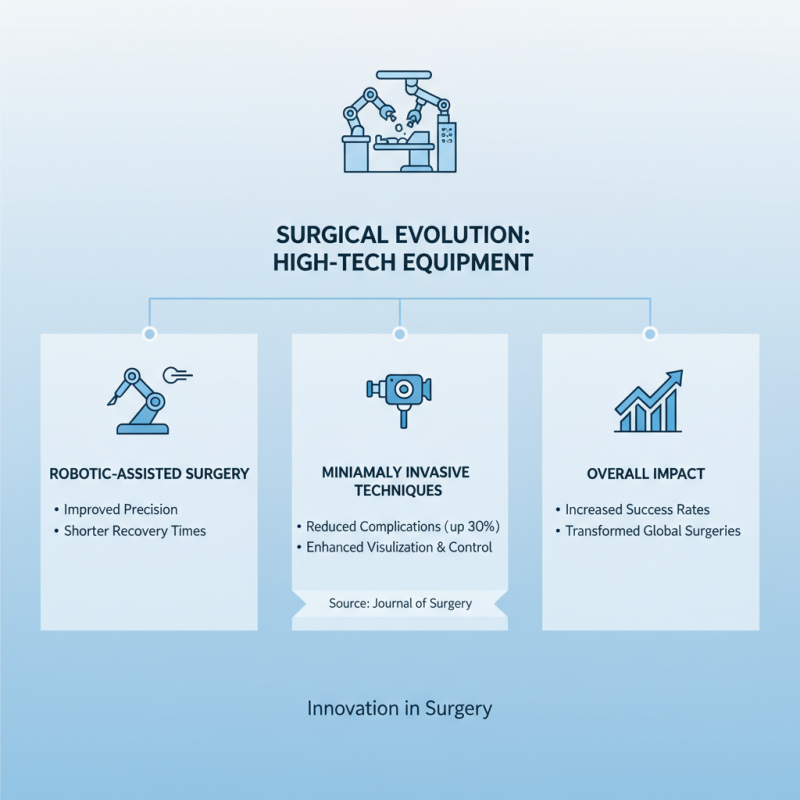
High-tech surgical equipment has transformed surgeries worldwide. Robotic-assisted surgeries have improved precision, leading to shorter recovery times. A study published in the Journal of Surgery found that minimally invasive techniques can reduce postoperative complications by up to 30%. Surgeons can operate with enhanced visualization and control, which increases the success rate.
However, the reliance on high-tech tools raises concerns. Not all facilities have access to the latest technology, potentially widening the gap in surgical outcomes. Additionally, the learning curve for new equipment can be steep. A report from the American Surgical Association highlighted that only 60% of surgeons using robotic systems felt adequately trained. While innovation is beneficial, training must keep pace.
Some traditional instruments remain essential. Basic tools like scalpels and hemostats are irreplaceable. High-tech instruments cannot replace the surgeon's skill. Relying solely on technology may lead to a decline in foundational surgical skills. A balanced approach is crucial for optimal patient outcomes.
Safety Standards and Best Practices for Surgical Instrument Use
Safety is paramount in the surgical field. Understanding and adhering to safety standards can prevent complications. Each surgical tool must be inspected before use. Ensuring instruments are sterilized is a basic yet crucial practice. If the tools are not properly cleaned, infections could arise. This can lead to severe consequences for patients.
Having well-organized workspaces is essential. Instruments should be easily accessible but kept in a safe manner. Overcrowded tables can lead to mistakes. Surgeons and their teams must remain focused. Communication is vital; everyone should be clear about their roles. Consider using checklists to ensure nothing is overlooked.
Practice proper handling of instruments. Even experienced surgeons can have slips. A moment of inattention could cause injury. Regular training sessions help to keep skills sharp. Encourage team members to voice concerns about safety. Reflection on past experiences can enhance future performance. Creating a culture of safety benefits everyone involved.
Conclusion
Surgery tools are fundamental to the practice of modern medicine, playing a crucial role in ensuring successful patient outcomes. This article explores the top 10 essential surgical instruments that every surgeon should be proficient in, highlighting their importance and functionality. From traditional handheld tools to advanced high-tech equipment, each instrument is designed to enhance precision and safety in surgical procedures.
Additionally, the article emphasizes the significance of adhering to safety standards and best practices when using surgery tools to minimize risks. As technology continues to evolve, trends and innovations in surgical instruments are on the rise, promising to further improve surgical outcomes and efficiency. Surgeons must stay informed about these developments to ensure they utilize the best possible techniques and tools in their practice.