How to Identify General Surgical Instruments with Names?
Understanding general surgical instruments with names is essential for medical professionals. In the surgical field, tools are diverse and specialized. The correct identification of these instruments enhances efficiency and patient safety. The World Health Organization reports that effective surgical procedures rely heavily on the proper use of surgical instruments.
Research reveals that over 60% of surgical errors are linked to instrument mismanagement or misidentification. Surgeons and nurses must be proficient in recognizing general surgical instruments with names to minimize these risks. Familiarity with tools like scalpels, forceps, and retractors ensures that healthcare teams can operate smoothly in complex environments.
Despite comprehensive training, some healthcare professionals still struggle with instrument identification. Regular workshops can reinforce knowledge. Continuous education is necessary, as new instruments frequently emerge. Adapting to innovations in surgical technology while remembering traditional instruments is crucial. Ultimately, mastering general surgical instruments with names is a continuous journey, not a destination.
Types of General Surgical Instruments and Their Functions
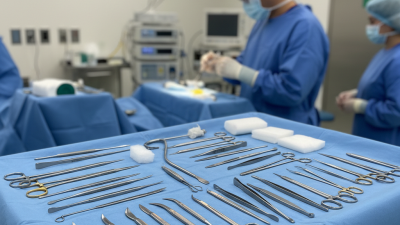
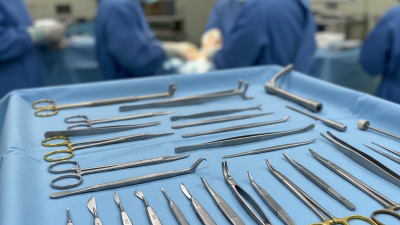
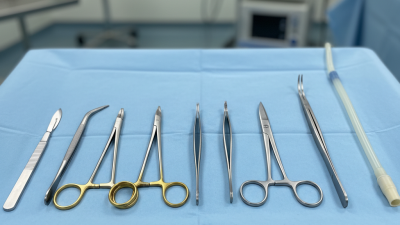
General surgical instruments play a critical role in medical procedures. Knowing their types and functions can enhance the surgical experience for both professionals and patients. Instruments like scalpels, scissors, and forceps are commonly found in operating rooms. Each tool has a specific purpose that contributes to the success of the surgery. For example, scalpels are essential for making incisions, while scissors are used to cut tissues or sutures.
Forceps come in various shapes and sizes, ideal for grasping or holding tissue during procedures. Hemostats, a type of clamp, control bleeding effectively by clamping blood vessels. This highlights the importance of understanding these tools' unique functions. Yet, one might overlook the proper handling and maintenance of these instruments, which is crucial for their effectiveness and safety.
Understanding surgical instruments can be overwhelming. The sheer variety can confuse even seasoned professionals. Periodic training on the use and identification would benefit surgical teams. Engaging in workshops could improve familiarity and confidence in using different tools. Addressing these gaps can lead to better surgical outcomes and enhance overall patient safety.
Key Features to Look for in Surgical Instrument Identification
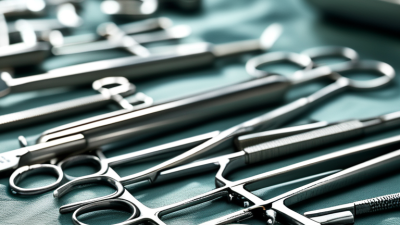
Identifying surgical instruments can be daunting for novices. Knowing key features can significantly ease this process. Focus on the instrument's shape, size, and material. For instance, forceps typically have a tweezer-like shape, while scissors often feature blades with distinct cutting edges. Recognizing these shapes helps in quick identification during surgical procedures.
Pay attention to markings on the instruments. Some may have measurement markings, indicating their intended use. Others may show the manufacturer’s name or specialty. These details can provide clues about the instrument's purpose. However, not all instruments have obvious labels, making familiarity crucial. Experience in handling different tools will enhance your identification skills.
Understanding the instrument’s intended function is just as important. For example, clamps have a locking mechanism to hold tissue securely. On the other hand, dissecting scissors are specifically designed for cutting delicate tissues. Familiarity with these functions can prevent misuse and improve efficiency in the operating room. Reflecting on skill gaps is essential for growth in this area. With practice, identifying instruments becomes more intuitive, fostering confidence in the surgical environment.
Identification of General Surgical Instruments
This chart illustrates the feature ratings of common surgical instruments. Each instrument is evaluated based on key features that aid in their identification and use in surgical procedures.
Common Names of General Surgical Instruments Explained
Understanding the names of general surgical instruments is essential for anyone in the medical field. Surgical instruments come in various shapes and sizes, each designed for specific tasks. For example, scalpels are used for making incisions. These sharp instruments are vital for access during surgery. Forceps, on the other hand, are used for grasping and holding tissue. They come in different types, including tissue forceps and dressing forceps, each serving distinct purposes.
In addition to scalpels and forceps, additional instruments are crucial in surgeries. Scissors designed for cutting tissue are common and can vary in size. A particular type, Metzenbaum scissors, is known for its delicate cutting capabilities. Understanding these names helps in effectively communicating within the surgical team. Sometimes, the same instrument may have different names or functions, which can lead to confusion. A careful examination of terms and their applications can enhance clarity.
It’s interesting to consider how familiarity with these tools evolves over time. New practitioners may hesitate with instrument names. In contrast, seasoned professionals may rely on rapid identification. This variation highlights the ongoing learning journey in the medical field. The importance of mastery in surgical instrument names cannot be overstated. It ensures safety and efficiency during procedures. Being aware of the nuances within instrument names is a continual process for healthcare professionals.
Tips for Memorizing Surgical Instrument Names and Uses
Memorizing surgical instrument names and their uses can be challenging. Many students struggle to recall specific tools during exams or clinical practice. One effective strategy is to create visual associations. For instance, imagine a scalpel as a chef's knife. This can help solidify its function as a cutting tool. Creating vivid mental images makes it easier to remember.
Another technique is to group instruments by their functions. For example, categorize scissors, forceps, and clamps together. Understanding their specific purposes can reinforce memory. Flashcards are also popular. Write the name of the instrument on one side and its use on the other. Reviewing these regularly can enhance retention.
Learning these names takes time and effort. It’s normal to forget some instruments initially. Regular practice and hands-on experience in a clinical setting can improve recall. Don't hesitate to ask mentors for tips. Their insights can be invaluable as they have faced similar challenges during their training. Embrace the learning process, and don’t be discouraged by initial difficulties.