How to Learn Surgical Instruments for Effective Practice?
Learning surgical instruments is vital for effective practice in the medical field. A recent report by the American College of Surgeons highlights that over 80% of surgical errors are linked to instrument misidentification. This data could be alarming, emphasizing the need for comprehensive training. Dr. Sarah Mitchell, a renowned surgical educator, once said, "Mastering surgical instruments is key to improving patient outcomes and boosting surgical efficiency."
Many trainees struggle to learn surgical instruments under pressure. They often lack adequate hands-on experience before entering the operating room. It is crucial to create simulators and practice environments that replicate real-life scenarios. This approach can help improve retention and familiarity with surgical tools.
Surgical students should find ways to engage actively with the instruments. Shadowing experienced surgeons or participating in workshops can be invaluable. Continuous practice is necessary, but the journey is rarely straightforward. Reflection on one’s progress and struggles can be as important as hands-on training. Tools may differ between hospitals, complicating learning further. Ultimately, the goal remains: to learn surgical instruments proficiently for better surgical outcomes.

Understanding the Importance of Surgical Instruments in Medicine
Surgical instruments are vital in medical procedures. Their design and function can significantly impact outcomes. Surgeons must understand each tool’s purpose. Knowing how to use them effectively is crucial. Each instrument has a unique role, from cutting to suturing. Familiarity fosters confidence during surgery.
Recognizing the importance of these tools helps avoid mistakes. Improper use can lead to complications. Training is essential to mastering surgical instruments. Visual aids and hands-on practice enhance learning. Engaging in simulations builds muscle memory and understanding.
Reflecting on past experiences can highlight areas for improvement. New technologies change instrument design and usage. Staying updated is necessary for effective practice. Continuous learning adapts to advancements in medicine. Embracing change leads to better surgical outcomes.
How to Learn Surgical Instruments for Effective Practice? - Understanding the Importance of Surgical Instruments in Medicine
| Instrument Name |
Function |
Material |
Common Specialties |
| Scalpel |
Incision |
Stainless Steel |
General Surgery |
| Forceps |
Grasping |
Titanium |
Orthopedic |
| Scissors |
Cutting |
Stainless Steel |
Plastic Surgery |
| Hemostatic Clamp |
Clamping Blood Vessels |
Stainless Steel |
Cardiothoracic Surgery |
| Suction Device |
Clearing Fluids |
Plastic |
General Surgery |
Types of Surgical Instruments: A Comprehensive Overview
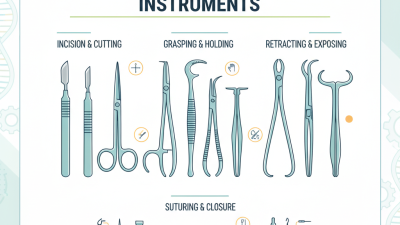
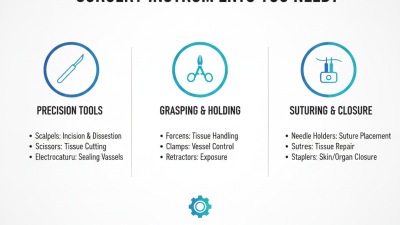
Surgical instruments are vital for successful operations. Understanding the types and uses enhances surgical proficiency. Instruments are categorized based on their functions: cutting, grasping, holding, and suturing. Each type plays a crucial role in procedures.
Cutting instruments include scalpels and scissors. They allow for precise incisions. Grasping instruments, like forceps, enable surgeons to hold tissues securely. It’s essential to understand their nuances. Holding instruments, such as clamps, aid in tissue management. Suturing instruments help in wound closure. Statistics show that effective use of the right instruments boosts surgical success rates by over 30%.
Training often highlights essential instruments but may overlook the importance of context. Not all instruments are necessary for every surgeon. Some experienced practitioners emphasize comfort over having the latest tools. Reflecting on usage aids in mastering techniques, but often, surgeons find themselves relying more on familiar instruments. The balance between innovation and tradition remains a continuous conversation in the surgical community. Learning from these discussions helps pave the way for improved practices.
Techniques for Memorizing Surgical Instrument Names and Functions
Memorizing surgical instrument names and functions can seem daunting. However, practical techniques can simplify the process. One effective approach is to categorize instruments by their use. For example, group scalpels, forceps, and scissors together. This method helps to create a mental map, aiding retention. Visualization is another powerful tool. Picture each instrument in use during a procedure. This connection between the instrument and its function solidifies memory.
Flashcards can be beneficial too. Write the name on one side and the function on the other. Regularly testing yourself builds confidence and familiarity. Repetition is crucial, yet it can become tedious. Mixing up your study methods can maintain engagement. Use hands-on practice whenever possible. Holding the instruments can create muscle memory. You might forget names, but the tactile experience reinforces learning.
Keep in mind that everyone learns differently. Adapt these techniques to fit your style. Reflect on what works best for you. Acknowledge the struggles in learning; they are part of the journey. It is normal to find some instruments challenging. Embrace this discomfort as a stepping stone toward mastery.
Understanding Surgical Instrument Usage in Different Procedures
Practical Exercises for Hands-On Familiarization
Mastering surgical instruments is essential for effective practice. Practical exercises offer a hands-on approach to familiarity with these tools. Studies indicate that medical residents who engage in simulation-based training improve their proficiency by up to 30%. Instructors recommend integrating exercises that mimic real surgeries, allowing learners to handle instruments in a controlled environment.
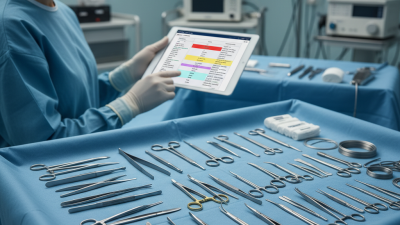
One effective exercise involves creating a mock surgical setup. This can include practicing the identification and usage of various tools like scalpels, forceps, and scissors. Trainees should rotate roles to observe and execute. Another helpful activity is timed drills, where participants pass instruments efficiently. Research suggests that timed repetition enhances muscle memory, crucial for high-pressure situations.
It’s vital to reflect on mistakes made during practice sessions. Recording sessions for review can help identify areas for improvement. Additionally, peer feedback can foster a collaborative learning environment, encouraging discussion on techniques and instrument handling. Regular reflection on both successes and failures will lead to greater confidence and a deeper understanding of surgical instruments.
Resources and Tools for Continued Learning in Surgical Instruments
Learning about surgical instruments is essential for effective practice in the medical field. A variety of resources can enhance your understanding and skills. Online platforms offer comprehensive courses and webinars tailored for different levels of expertise. You can find video tutorials that showcase instrument handling and procedures. These visual aids can clarify complex concepts and improve retention.
Practicing with real instruments, if available, helps to build muscle memory. Joining hands-on workshops can provide guidance from experienced professionals. Engaging in peer discussions and study groups can also deepen your insights. The exchange of knowledge offers different perspectives and reinforces learning.
Reflection is key to advancement. Regularly assess your understanding and application of surgical instruments. Reviewing what you’ve learned can highlight areas needing improvement. Don’t hesitate to seek feedback from mentors or colleagues. Recognizing your weaknesses is a step toward mastering surgical instruments.