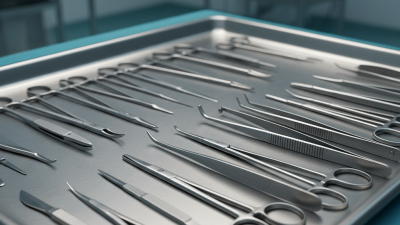
What is a Surgical Instrument Set and Why is it Essential?
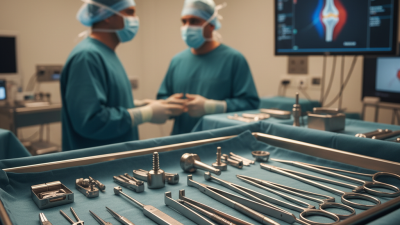
Surgical instrument sets are fundamental to the field of surgery. They consist of various tools designed for specific procedures. Each set is meticulously curated to ensure that surgeons have the necessary instruments at their fingertips during operations.
These surgical instrument sets not only enhance efficiency but also greatly contribute to patient safety. A well-organized set minimizes the risk of errors and delays. However, standardizing these sets can be challenging. Hospitals may differ in their surgical practices and preferences for certain instruments. This requires continuous evaluation and adaptation of the sets used.
Furthermore, maintaining the quality and sterility of surgical instrument sets is crucial. Instrument mishandling can lead to infections or complications. Therefore, surgical teams must have access to high-quality tools and ongoing training on their use. Such expertise is vital to assure both the surgical staff and patients of reliable outcomes.
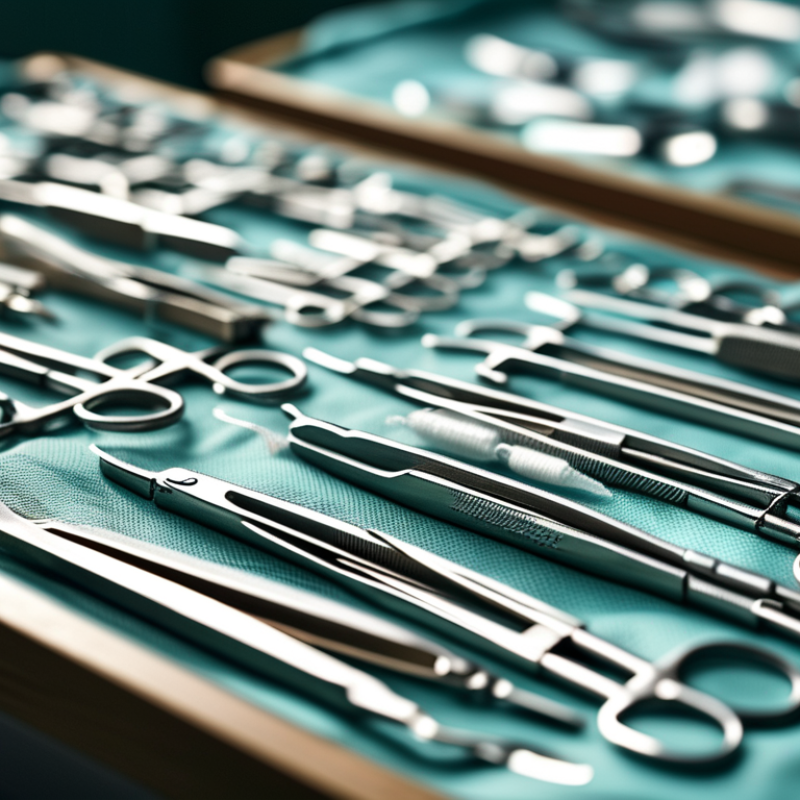
What is Included in a Surgical Instrument Set?
A surgical instrument set is a collection of tools tailored for specific surgical procedures. Each set is designed to cater to the unique needs of the operation. Understanding its components is crucial for successful outcomes.
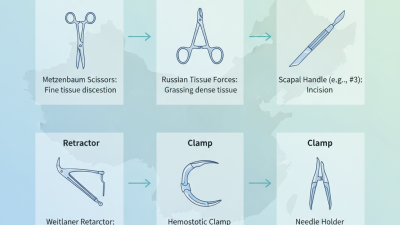
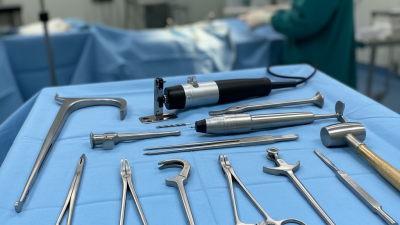
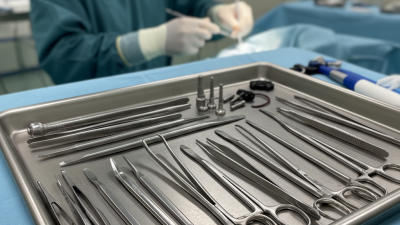
A typical surgical set includes scalpels, scissors, forceps, and clamps. These instruments are crafted from high-quality stainless steel for durability and sterility. Scalpels, often used for incisions, come with various blades. Scissors take different forms, such as surgical or tissue scissors, facilitating various functions. Forceps are essential for grasping or holding tissues, while clamps are crucial for controlling blood flow.
Tips: Always ensure the instruments are properly sterilized before use. Regularly inspect them for any signs of wear or damage. This vigilance aids in maintaining surgical precision.
Additional tools may be included for specialized surgeries, like electrocautery devices or retractors. These enhance visibility and accessibility during the procedure. While many assume all sets are the same, customization is vital. Reflections on past surgical experiences can help determine the ideal composition of these sets. Adapting to specific needs can significantly impact patient safety and surgical efficacy.
The Role of Surgical Instrument Sets in Modern Medical Procedures
Surgical instrument sets are vital in modern medical practices. These sets contain an array of specialized tools designed for specific procedures. Surgeons rely on these instruments for precision and efficiency during operations. An organized collection reduces time spent searching for tools. It also minimizes the risk of errors, which can lead to complicatons.
Each instrument serves a distinct purpose, from scalpels to clamps. For example, a scalpel is essential for making incisions. Scissors are used to cut tissue or sutures. Every surgical team must understand each tool in their set. This knowledge enhances teamwork and improves outcomes. However, the importance of training cannot be overstated. New surgical staff must practice with these instruments to build confidence.
Occasionally, things don't go as planned. A tool may malfunction, or a team member may misidentify an instrument. Learning from these moments is crucial for improvement. Continuous education ensures all staff remain proficient. Despite the challenges, surgical instrument sets remain a cornerstone of effective surgical practice. They embody years of expertise and innovation in medicine.
Statistical Impact of Proper Instrument Sets on Surgical Outcomes
In the medical field, surgical instrument sets play a crucial role. These sets consist of various tools needed for specific surgeries. Properly organized instrument sets can significantly impact surgical outcomes. A study found that efficiency improves when surgeons have easy access to necessary tools. This arrangement can reduce operation time and minimize patient stress during procedures.
However, not all surgical teams utilize these sets effectively. Sometimes, instruments may not be sterilized properly, which can lead to infections. Even well-organized sets can have missing tools, causing delays. These challenges highlight the importance of regular audits and training for surgical staff. Proper instrumentation is not just about having the right tools; it’s about readiness and precision.
Statistical evidence supports the need for high-quality instrument sets. Facilities with comprehensive instrument management have reported lower complication rates. Effective management directly correlates with better patient outcomes. As hospitals strive for excellence, investing in well-structured surgical instrument sets becomes paramount.
Standards and Regulations Governing Surgical Instrument Sets
Surgical instrument sets are critical in medical procedures. They ensure that the right tools are available for surgeons. However, standards and regulations govern these sets to ensure safety and efficacy. Guidelines vary by region but share one common goal: patient safety.
Regulatory bodies outline specific requirements for sterilization and material usage. Instruments must be made from high-quality materials to prevent corrosion and damage. Regular inspections are necessary to maintain standards. Each instrument must meet defined specifications. Failure to adhere can jeopardize patient outcomes and professional integrity.
Training for staff handling surgical instrument sets is vital. Proper education minimizes the risk of errors. It's essential for healthcare facilities to stay updated on regulations. Non-compliance can lead to serious consequences. Continuous improvement and reflection on practices help maintain high standards in surgical care.
Advancements in Surgical Instrument Design and Technology
Recent advancements in surgical instrument design and technology have revolutionized the medical field. New materials, such as lightweight alloys and plastics, enhance durability while reducing fatigue during long procedures. Ergonomically designed handles minimize discomfort for surgeons, allowing for better precision.
Innovative instruments now include smart technology. For example, some tools can measure tissue temperature or provide real-time data on blood flow. These features greatly enhance decision-making during surgeries. However, not all new designs have been practical. Some instruments require extensive training, leading to a gap in usability among seasoned surgeons versus newcomers.
There is a push for standardization in surgical sets to streamline operations. While customization offers benefits, it can lead to confusion and inefficiencies in the operating room. Balancing innovation and practicality is crucial, as the ultimate goal remains patient safety and surgical success.