What is a Surgical Instruments List and Why is it Important?
Surgical instruments play a crucial role in medical procedures. A well-organized "surgical instruments list" ensures that healthcare professionals have the right tools at their disposal. Dr. Emily Carter, a leading expert in surgical instrumentation, emphasizes the importance of such a list: "A comprehensive surgical instruments list can prevent delays and enhance patient safety."
Creating a precise surgical instruments list requires attention to detail. Each instrument must be accounted for, categorized, and maintained properly. This process avoids the chaos that can occur in an operating room. Missing an instrument can lead to complications. It is a challenge that many surgical teams face.
However, despite best efforts, inaccuracies can happen. Some instruments may be overlooked or incorrectly categorized. Regular audits and updates of the surgical instruments list can address these issues. The goal is always to improve surgical outcomes and streamline the workflow in the operating room.
What is a Surgical Instruments List?
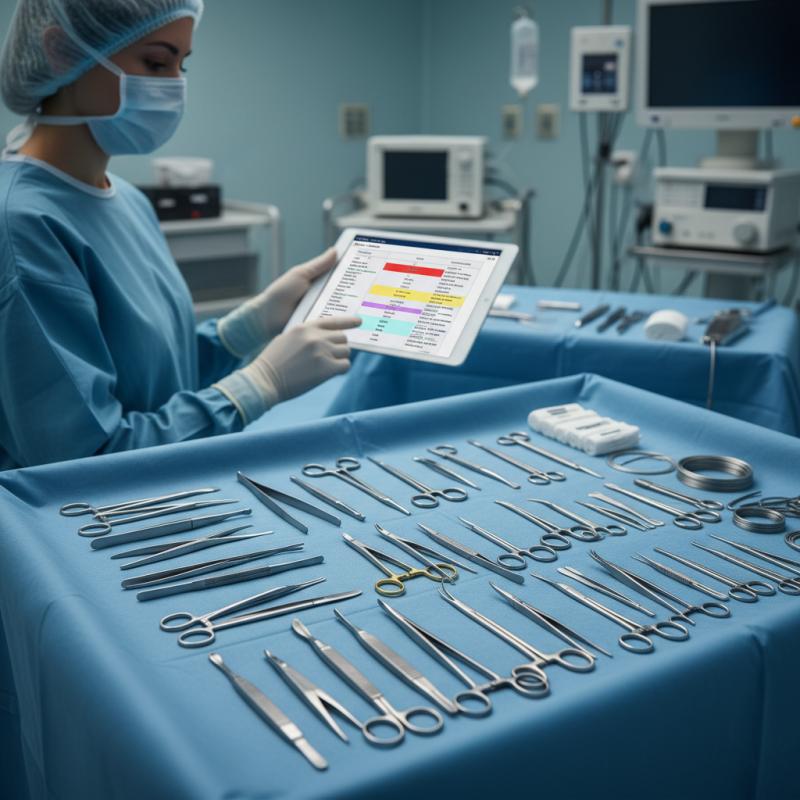
A surgical instruments list is a detailed compilation of essential tools used in surgical procedures. This list serves as a guide for medical professionals, ensuring that all necessary instruments are available before surgery. Every procedure has unique requirements, and having the right tools on hand is critical for success.
Surgeons and surgical staff often rely on this list to prepare for operations. It minimizes the risk of forgetting vital instruments, which can lead to complications. For example, if a scalpel is missing, it can cause delays and increased stress. Inadequate preparation can significantly impact patient outcomes.
Creating a surgical instruments list requires careful consideration. Not every surgery uses the same tools. Mistakes can happen, and lists might overlook specific instruments. Regular reviews and updates are essential. These updates can reflect new procedures or changes in surgical techniques. Attention to detail can safeguard against errors during surgeries. It’s a continuous process of learning and refinement.
What is a Surgical Instruments List and Why is it Important?
| Instrument Name |
Category |
Function |
Material |
Sterilization Method |
| Scalpel |
Cutting |
Incision of skin and tissue |
Stainless Steel |
Autoclave |
| Forceps |
Grasping |
Hold or grasp tissues |
Stainless Steel |
Autoclave |
| Scissors |
Cutting |
Cutting tissues or sutures |
Stainless Steel |
Autoclave |
| Needle Holder |
Holding |
Hold needles for suturing |
Stainless Steel |
Autoclave |
| Hemostatic Clamp |
Clamping |
Control bleeding |
Stainless Steel |
Autoclave |
The Components of a Surgical Instruments List
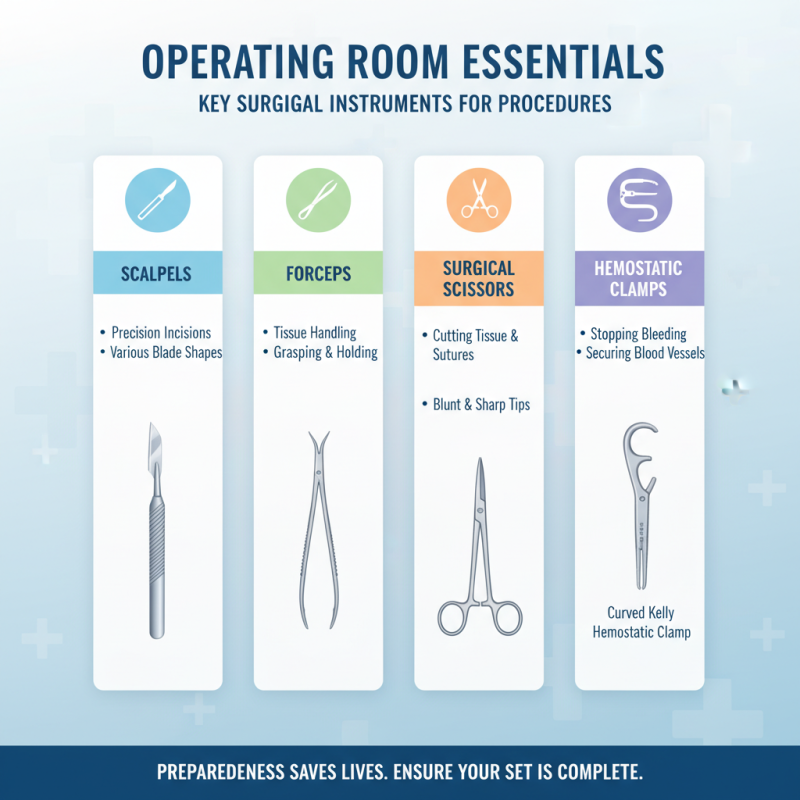
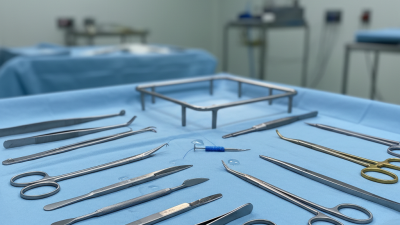
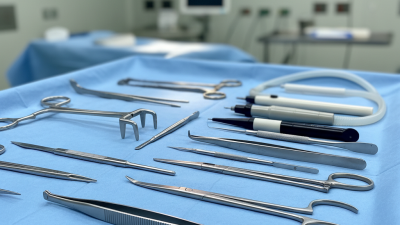
A surgical instruments list serves as a fundamental asset in any operating room. It ensures that all necessary tools are ready before a procedure begins. Each item plays a vital role in the surgical process. A well-structured list typically includes scalpels, forceps, scissors, and clamps. These instruments are essential for making incisions, holding tissues, and suturing wounds.
However, creating this list isn't always straightforward. Sometimes, specific instruments may be overlooked or miscounted. This can lead to delays and complications during surgery. Regular audits of the instruments are necessary to maintain accuracy. It's crucial to include not only common tools but also specialized ones for specific surgeries. Keeping the list updated with the latest developments in surgical practices can enhance its effectiveness.
Organization is key. Grouping instruments by type or use can facilitate quick access during operations. Visual aids, such as diagrams or labels, can help staff quickly identify needed items. Yet, it's easy to neglect regular updates or training sessions. Teams should continuously evaluate their lists to improve efficiency and surgical outcomes. Balancing thoroughness with practicality is a challenge that requires ongoing attention and refinement.
The Importance of Surgical Instruments in Medical Procedures
Surgical instruments play a vital role in medical procedures. Their precision and design significantly impact patient outcomes. According to the World Health Organization, up to 7 million patients endure surgical complications annually. Properly designed instruments can minimize these risks and improve recovery times.
High-quality surgical tools enhance efficiency in the operating room. When instruments are reliable, surgeons can focus on the procedure rather than on equipment failure. A study published in the Journal of Surgical Research noted that 15% of surgical delays stem from instrument issues. In such high-stakes environments, every moment counts.
However, the surgical instruments landscape is not without flaws. Many facilities struggle with instrument sterilization protocols. A report from the American College of Surgeons highlighted that 30% of hospitals reported issues with inadequate sterilization practices. This inconsistency can lead to infections or further complications, raising questions about standards in the field. A detailed instruments list is crucial to address these challenges and ensure patient safety.
How to Create an Effective Surgical Instruments List
Creating an effective surgical instruments list requires careful planning and attention to detail. A well-structured list can enhance surgical efficiency and improve patient outcomes. According to a study by the Association of periOperative Registered Nurses, nearly 30% of surgical errors could be traced back to a lack of proper instrumentation. This statistic highlights the importance of compiling a thorough instruments list.
To construct your list, begin by identifying the specific surgical procedure. Each surgery has unique requirements. Engage with surgical teams to gather input on necessary tools. This collaborative approach ensures the list reflects real-world needs. Include not only the instruments but also their quantities. Over 15% of surgical delays occur due to missing instruments, leading to higher costs and potential complications.
Finally, review and revise the list periodically. Surgical techniques evolve, and so do instrument needs. Regularly consult with your surgical department to ensure the list remains current. An outdated list can lead to inefficiencies. Reflect on past surgeries to identify any gaps or issues with the instrument inventory. Making adjustments based on these reflections can greatly enhance surgical success.
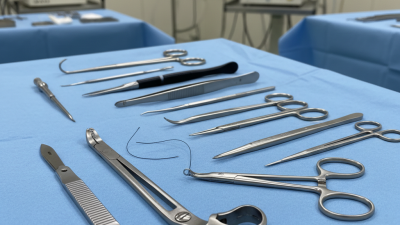
Surgical Instruments Usage in Operating Rooms
Best Practices for Managing Surgical Instruments Inventory
Managing surgical instruments inventory is crucial for healthcare facilities. An organized inventory ensures that the right tools are available when needed. Missing or misplaced instruments can delay procedures. This frustrates staff and can affect patient outcomes. Regular audits can help identify gaps in inventory. It’s essential to establish a reliable tracking system.
Training staff on inventory management is vital. Everyone must understand their roles. Miscommunication can lead to errors. Using visual aids can make the process easier. Labeling each instrument clearly might help reduce confusion. However, relying too much on technology can backfire. Systems occasionally fail, so backup plans are necessary.
Periodic reviews are important. Are all instruments still needed? Some might be outdated or rarely used. This gives staff the chance to rethink selections. Incorporating feedback from surgical teams can lead to improvements. Each surgical setting is unique, and what works for one may not work for another. Keeping an adaptable approach is key.