2026 Surgical Instruments Names with Pictures for Buyers Guide?
The realm of surgical instruments is both vast and vital. The right tools can significantly impact surgical outcomes. According to recent industry reports, the global surgical instruments market is projected to reach $13.2 billion by 2026. This growth highlights the increasing demand for quality surgical tools. In this evolving landscape, "surgical instruments names with pictures" play a crucial role in helping practitioners identify tools accurately.
Understanding various surgical instruments is essential for medical professionals. Precision and efficiency in surgeries depend on having the right instruments at hand. For instance, a misplaced scalpel can lead to severe consequences. Furthermore, visuals can aid new surgeons and medical staff in training. The need for comprehensive guides, featuring "surgical instruments names with pictures," cannot be overstated.
However, not all resources provide the same level of clarity or accuracy. Some guides may lack detailed images or descriptions, leading to confusion. It’s essential to cross-reference multiple reputable sources to ensure the accuracy of instrument identification. In an industry where mistakes can be costly, thorough knowledge becomes imperative for success.

Overview of Surgical Instruments Used in 2026
Surgical instruments play a crucial role in modern medicine. In 2026, advancements continue to emerge, enhancing both safety and efficiency in surgical procedures. With evolving technologies, the materials and designs of these tools are also changing. Each instrument is crafted for specific functions, ensuring optimal performance during operations.
Popular surgical tools include scalpels, forceps, and scissors, each with unique features. Scalpels often have removable blades, allowing for easy sterilization. Forceps can vary in shape, catering to different types of tissue handling. New designs focus on ergonomic handles, providing better grip and precision. This innovation reduces surgeon fatigue and enhances accuracy.
Despite the progress, challenges remain. Some instruments may not align perfectly with procedural needs. Learning to use new designs can take time. There may also be issues regarding the mechanical reliability of advanced instruments. Surgeons need to assess both traditional and modern tools to find the best options for their practice. Continuous training and adaptation are vital to ensure patient safety and successful outcomes.
Overview of Surgical Instruments Used in 2026
Key Categories of Surgical Instruments for Various Procedures
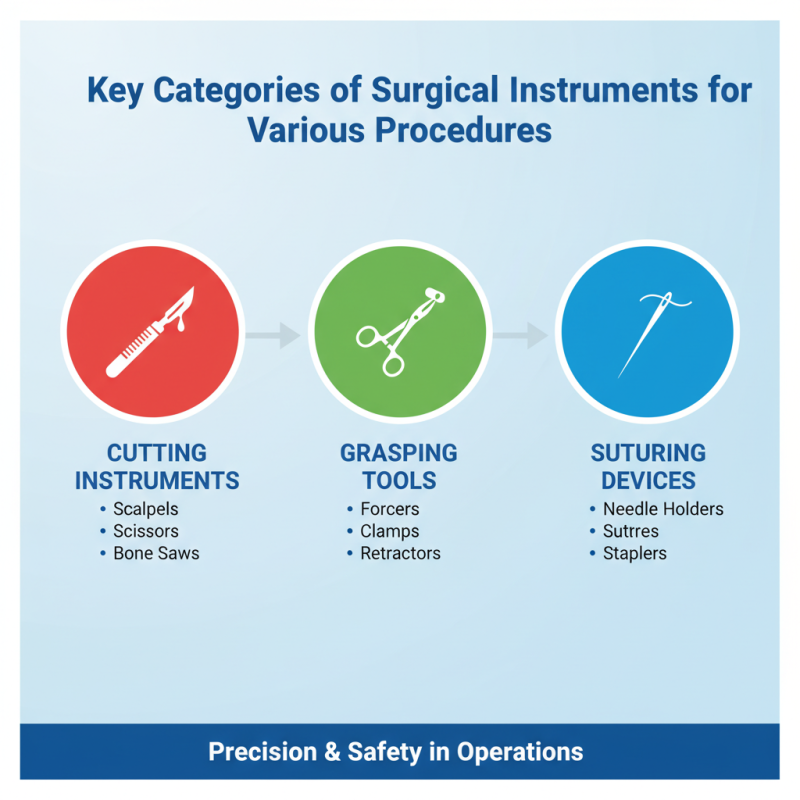
Surgical instruments play a vital role in various procedures across the medical landscape. Understanding their categories can enhance both purchasing decisions and procedural efficiency. The world of surgical tools is vast, encompassing categories like cutting instruments, grasping tools, and suturing devices. Each category is designed for specific tasks, ensuring precision and safety during operations.
Cutting instruments include scalpels and scissors, tailored for incision and dissection. Grasping tools, such as forceps and clamps, help in handling tissues and organs. Suturing devices, on the other hand, are critical for wound closure. It's important to recognize that improper use can lead to complications. Not every tool suits every procedure; compatibility is crucial for success.
Additionally, some instruments may be challenging to master. Surgeons often undergo extensive training to achieve proficiency. It’s essential to stay updated on best practices and innovations. New designs emerge regularly, requiring continuous learning. Keeping a close eye on developments ensures that the tools used reflect current standards. Surgical instrument selection is not just about brand names; it’s about efficacy, safety, and adaptability.
Buying Considerations for Surgical Instruments in 2026
When considering surgical instruments in 2026, it's essential to focus on quality and reliability. Choosing the right tools can significantly impact the success of surgical procedures. A well-made instrument enhances precision and minimizes complications. Look for materials that ensure durability and ease of sterilization. Surgical instruments are complex; understanding their specific uses is vital.
Tips: Always examine the craftsmanship. A poorly made tool can lead to unexpected issues during surgery. Be wary of inexpensive options that compromise safety.
Next, evaluate the ergonomic design. Instruments should feel comfortable in hand and provide excellent control. An awkward grip could lead to poor outcomes. Check for user reviews or expert recommendations. It's crucial to gather insights from experienced professionals. Their knowledge can guide you toward reliable options.
Lastly, maintain a focus on evolving technology. As innovations emerge, updated designs may outweigh traditional models. Consider how these advancements can improve surgical practices. Striking a balance between tradition and modernity could lead to better patient care. Reflect on the tools you use and be open to change.
Future Trends in Surgical Instrument Technology and Design
The landscape of surgical instrument technology is evolving rapidly. Advancements are driven by a demand for precision, safety, and patient comfort. The global surgical instruments market was valued at approximately $12 billion in 2022, with a projected CAGR of over 6% through 2030. This growth reflects innovations in design and functionality.
Future trends focus on smart instruments, integrating IoT technology and data analytics. These instruments can monitor vital signs in real-time or track surgical outcomes. Moreover, the rise of minimally invasive procedures emphasizes lightweight materials and ergonomic designs. For instance, a shift towards robotics is enabling surgeons to perform complex tasks with greater dexterity.
Tip: Always consider the balance between innovative features and usability. Not every advanced technology translates to better outcomes.
Sustainability is becoming a focal point as well. Manufacturers are increasingly using eco-friendly materials, aiming to reduce waste. Additionally, as the demand for global health care rises, training in using new technologies is paramount. Surgical professionals must adapt continuously to leverage these tools effectively.
Tip: Engage in regular training sessions. Keeping up with trends will enhance your skills and improve patient care outcomes.