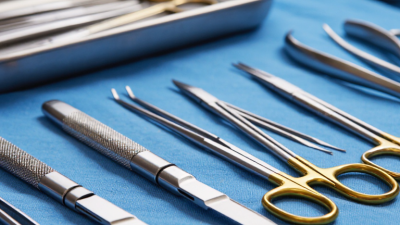
Top 10 General Surgical Instruments With Names

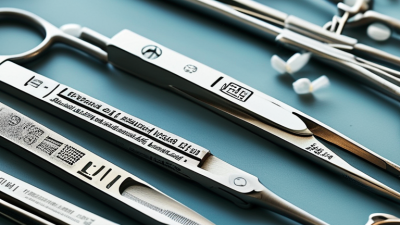
Choosing the right instrument begins with knowing its name, purpose, and limits. This guide introduces the general surgical instruments with names commonly seen in operating rooms and clinical training. It covers scalpels, forceps, scissors, retractors, hemostats, needle holders, suction cannulas, curettes, sponge forceps, and electrosurgical pencils.

Small details matter. A scalpel creates a precise incision, while a hemostat controls bleeding through firm clamping pressure. A needle holder supports controlled suturing, and a retractor protects the surgical field from obstructing tissue. Their shapes may appear similar, but their functions are not interchangeable. Names can also vary between countries, hospitals, and surgical specialties.

Dr. Atul Gawande, a surgeon and patient-safety researcher, wrote, “The volume and complexity of what we know has exceeded our individual ability to properly deliver its benefits.” His observation explains why instrument knowledge must connect with preparation, sterile technique, and team communication. A familiar handle does not guarantee correct use.

This list is useful, but not flawless. Instrument selection depends on the procedure, tissue condition, surgeon preference, and institutional protocol. Experienced clinicians still verify each item before incision. They check the tip, hinge, insulation, and packaging. They also confirm that the instrument matches the intended task.

Names create a foundation. Judgment completes it. Readers should treat this overview as educational guidance, not a substitute for supervised surgical training or approved clinical procedures.
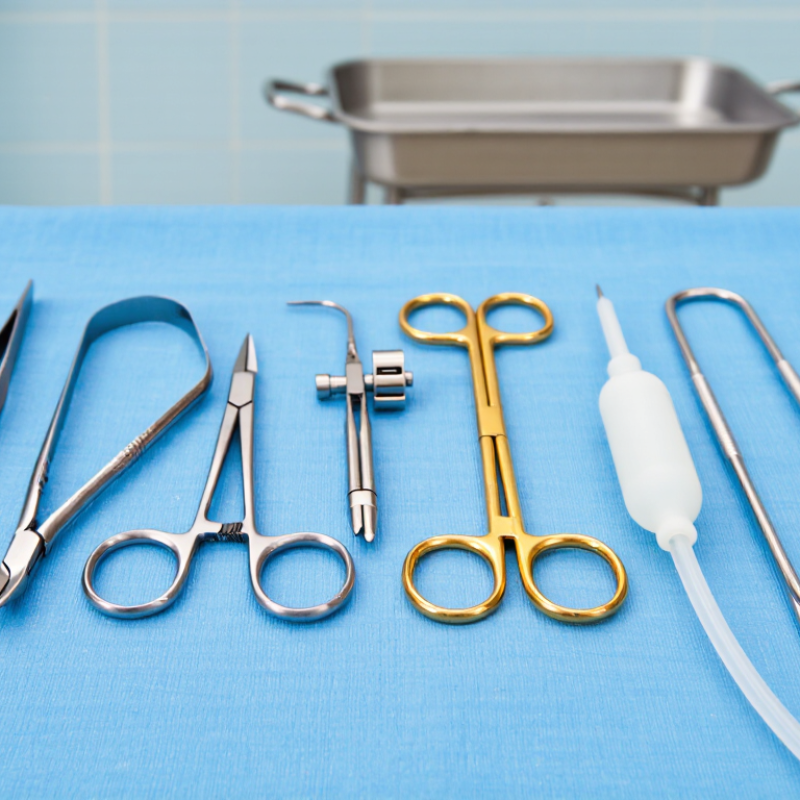
Top 10 General Surgical Instruments With Names

What General Surgical Instruments Are and How They Are Classified

Top 10 General Surgical Instruments With Names

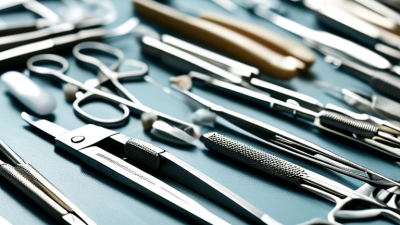
General surgical instruments are tools used to cut, grasp, clamp, expose, drain, or close tissue. Their classification usually depends on function, not appearance. Cutting instruments include the scalpel and surgical scissors. Grasping tools include tissue forceps and sponge forceps. Hemostatic clamps control bleeding by compressing vessels. A needle holder supports accurate suture placement. These instruments may look simple, but each requires controlled handling and proper training.

Retraction instruments hold tissue away from the operative field. Common examples include hand retractors and self-retaining retractors. A suction cannula removes blood or irrigation fluid, improving visibility. A probe helps examine narrow spaces without cutting tissue. Towel clamps secure surgical drapes around the working area. These ten examples represent different functional groups: scalpel, scissors, tissue forceps, hemostatic clamp, needle holder, towel clamp, retractor, suction cannula, sponge forceps, and probe.

Classification is useful, but it is not perfectly fixed. Some instruments serve more than one purpose during a procedure. For example, a clamp may control bleeding or hold tissue temporarily. In practice, selection depends on tissue type, surgical access, and the surgeon’s technique. Instrument safety also depends on inspection, cleaning, sterilization, and correct packaging. A damaged jaw can slip. A blunt cutting edge can increase tissue trauma. Training manuals often simplify these differences, yet real operating rooms demand careful judgment and continual review.

Scalpels, Surgical Scissors, and Dissecting Forceps

Top 10 General Surgical Instruments With Names

Scalpels, surgical scissors, and dissecting forceps are core instruments in general surgery. A scalpel creates a controlled incision, while surgical scissors divide tissue, sutures, or dressings. Dissecting forceps provide a firm, delicate grip without crushing tissue. Their designs vary by tip, length, and handling pressure. A sharp scalpel blade should glide, not drag. Blunt scissors can tear tissue and increase unnecessary manipulation.

The World Health Organization reported about 234 million surgical procedures worldwide each year in its Safe Surgery guidelines. The same report estimated up to seven million disabling complications and one million deaths linked to surgery. These figures show why instrument selection and handling matter. In practice, a surgeon may choose fine, toothed forceps for skin and smooth forceps for fragile tissue. Surgical scissors must match the task. Cutting tissue with dressing scissors is a preventable mistake. I have also seen how poor lighting changes hand control. Technique is never completely separate from equipment.

Tips: Check the scalpel handle, scissors’ alignment, and forceps’ tip closure before use. The World Health Organization Surgical Safety Checklist supports instrument and equipment checks before incision. Keep sharp instruments visible on the sterile field. Pass them handle-first. Reassess often. A checklist helps, but it cannot replace judgment. Even experienced teams can miss small defects, especially during a busy procedure. Cleaning and sterilization should follow validated facility protocols and applicable standards. Bicentennial? No—simple, consistent checks remain more useful than complicated habits.

Top 10 General Surgical Instruments With Names - Scalpels, Surgical Scissors, and Dissecting Forceps

No. Instrument Name Category Typical Size Tip, Blade, or Jaw Design Primary Surgical Use Common Construction
1 Scalpel Handle No. 3 Scalpel system Approximately 12–13 cm Fine, narrow blade mount; commonly accepts No. 10, 11, 12, and 15 blades Controlled skin and soft-tissue incisions Reusable surgical stainless steel
2 Scalpel Handle No. 4 Scalpel system Approximately 13.5–14 cm Broader blade mount; commonly accepts larger No. 18–25 blades Longer or deeper incisions requiring a larger blade Reusable surgical stainless steel
3 No. 10 Scalpel Blade Scalpel blade Approximately 4–5 cm blade length Large, curved cutting edge with a rounded tip General-purpose skin and soft-tissue incisions Sterile carbon steel or stainless steel; generally disposable
4 No. 11 Scalpel Blade Scalpel blade Approximately 3.5–4.5 cm blade length Small triangular blade with a sharp pointed tip Stab incisions, abscess drainage, and precise puncture openings Sterile carbon steel or stainless steel; generally disposable
5 Mayo Scissors, Straight Surgical scissors Approximately 14–20 cm Broad, relatively thick blades with straight cutting edges Cutting sutures, dressings, and dense tissue when direct access is available Reusable surgical stainless steel
6 Mayo Scissors, Curved Surgical scissors Approximately 14–20 cm Broad, thick curved blades designed for strong tissue cutting Dissecting or cutting dense tissue and deeper structures Reusable surgical stainless steel
7 Metzenbaum Scissors, Curved Dissecting scissors Approximately 14–18 cm Narrow, delicate curved blades with relatively long shanks Blunt or sharp dissection of delicate soft tissue Reusable surgical stainless steel
8 Adson Tissue Forceps, Toothed Dissecting forceps Approximately 12 cm Broad, short jaws with fine teeth, commonly 1 × 2 teeth Grasping skin and firm tissue during superficial procedures Reusable surgical stainless steel
9 DeBakey Atraumatic Forceps Dissecting forceps Approximately 15–20 cm Long, narrow, atraumatic jaws with fine longitudinal serrations Handling vessels, bowel, and other delicate soft tissue Reusable surgical stainless steel
10 Mosquito Hemostatic Forceps, Curved Hemostatic clamp Approximately 12.5 cm Fine, fully serrated curved jaws with a ratcheted locking handle Clamping small blood vessels and controlling minor bleeding Reusable surgical stainless steel

Note: Dimensions are typical ranges and may vary according to the instrument pattern and intended surgical specialty.

Hemostatic Clamps, Needle Holders, and Tissue Retractors

Top 10 General Surgical Instruments With Names

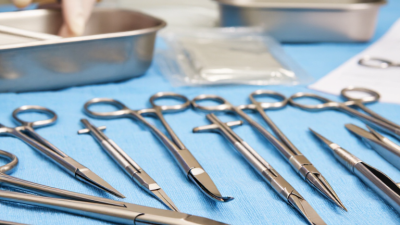
Hemostatic clamps, needle holders, and tissue retractors are essential instruments in open surgery. Hemostatic clamps control bleeding by compressing vessels or soft tissue. Their serrated jaws provide grip, but excessive pressure can cause tissue trauma. Needle holders secure curved needles during suturing. A balanced handle supports controlled wrist movement and consistent needle placement. Tissue retractors gently move skin, muscle, or organs away from the surgical field. They improve visibility without replacing careful tissue handling.

In practice, instrument selection depends on tissue thickness, wound depth, and the surgeon’s technique. Clamps should close smoothly and align evenly. Needle holders need firm jaws without damaging the suture. Retractors must provide exposure while avoiding unnecessary tension. A small mismatch can affect precision. I once underestimated how quickly hand fatigue develops during prolonged suturing. That experience reinforced the value of grip comfort, proper positioning, and regular instrument checks. Training and supervised practice remain important, especially for less experienced users.

Tips: Inspect hinges, ratchets, and jaw alignment before sterilization. Keep clamps organized by size and function. Match the needle holder to the needle’s diameter. Use retractors gradually, not forcefully. Ask for a second assessment when visibility remains poor. Even experienced teams can miss minor instrument damage. Follow current hospital protocols, manufacturer-neutral maintenance guidance, and qualified clinical supervision.

Top 10 General Surgical Instruments: Hemostatic Clamps, Needle Holders, and Tissue Retractors

This chart groups ten commonly recognized general surgical instruments by their primary function. The values represent the number of representative instruments included in each functional category.

Hemostatic clamps control bleeding by compressing vessels, needle holders secure needles during suturing, and tissue retractors hold tissue away from the operative field. The classification reflects standard instrument functions and is not a market-share comparison.

Suction Tips, Speculums, and Other Essential Surgical Tools

Top 10 General Surgical Instruments With Names

The World Health Organization reports that surgical-site infections affect about 11% of patients in low- and middle-income settings. Instrument selection therefore supports more than speed. It also supports controlled handling, visibility, and safer tissue contact. A standard tray may include a scalpel, surgical scissors, tissue forceps, hemostatic clamps, needle holders, retractors, a curette, and a trocar. Two tools deserve closer attention: suction tips and speculums.

A suction tip removes blood, irrigation fluid, and small debris from the operative field. Its opening should match the procedure. A narrow tip offers precision near delicate tissue, while a wider tip clears fluid faster. Excessive suction can disturb tissue or obscure the surgeon’s view. Small details matter. Speculums create stable access during examination or surgery. Vaginal, nasal, and ear speculums differ in shape, illumination needs, and pressure distribution. The handle should allow controlled adjustment, not forceful spreading. Disposable and reusable systems require different inspection and processing routines.

The Lancet Commission on Global Surgery estimated 313 million operations occur worldwide each year. That scale makes reliable instrument preparation essential. WHO guidance emphasizes validated cleaning, sterilization, and staff training. A visible stain, loose hinge, or dull edge should remove an instrument from service. Yet checklists are not perfect. A rushed inspection can miss a tiny crack inside a joint. Teams should document failures, review near-misses, and question familiar routines. Surgical skill includes knowing when not to use a tool.

How to Identify, Select, and Safely Handle the Top Ten Instruments

Top 10 General Surgical Instruments With Names

How to Identify, Select, and Safely Handle the Top Ten Instruments

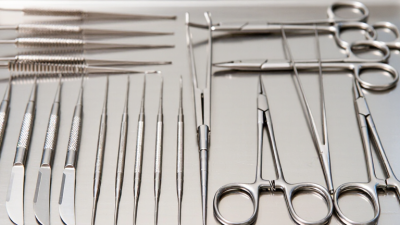
In a surgical tray, recognition starts with function, not appearance. The scalpel makes precise incisions, while surgical scissors cut tissue or sutures. Tissue forceps grasp structures, and hemostatic forceps compress bleeding vessels. A needle holder secures the needle during closure.

Retractors expose the field, while a suction cannula removes blood or irrigation fluid. The remaining essentials are sponge-holding forceps and a towel clamp. These ten instruments may look similar under bright lights. Small differences matter.

Selection should match tissue type, procedure, and the surgeon’s technique. Use delicate, fine-toothed forceps only when appropriate; teeth can crush fragile edges. Choose scissors with smooth, aligned blades, then test their action within the approved sterile workflow. Check jaw alignment, ratchet function, insulation, and cleanliness. A damaged hinge can create avoidable resistance. In practice, rushed tray checks cause more confusion than difficult anatomy. This is an uncomfortable lesson, but a useful one.

Handle every instrument by its designated grip, keeping sharp tips away from people. Pass closed clamps and scissors with the handle presented clearly. Keep the needle holder locked only when needed, because pressure can damage the needle. Do not use a retractor as a lever or a clamp as another tool. Count instruments according to local protocol and maintain sterility. Even experienced teams occasionally pause and recheck. When uncertain, stop and ask the trained team leader.