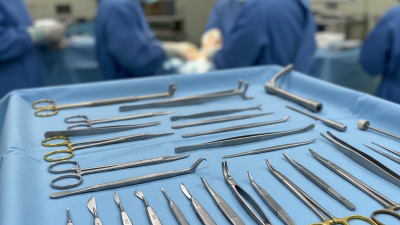
Top General Surgery Instruments for Efficient Surgical Procedures?
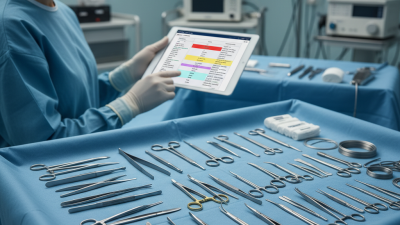
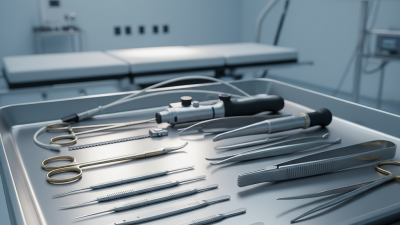
In the realm of medicine, efficient surgical procedures hinge on the proper use of general surgery instruments. These tools are essential, aiding surgeons in performing complex operations with precision and speed. The right instruments can enhance the efficacy of a procedure, directly impacting patient recovery times and outcomes.
Each instrument is designed for specific functions, improving safety and effectiveness. However, reliance on these tools raises questions. Are surgeons fully trained on the latest instruments? Are there gaps in understanding their application? Continuous education in using general surgery instruments is vital. It ensures that surgeons are up to date with innovations and advancements, which can enhance surgical outcomes significantly.
Moreover, maintaining the quality of general surgery instruments is crucial. Regular inspections and proper sterilization protocols help prevent complications during operations. The surgical team must remain vigilant. Understanding the limitations of these tools is just as important as knowing their strengths. An honest assessment of surgical instruments can lead to better choices in the operating room, ultimately improving patient care.
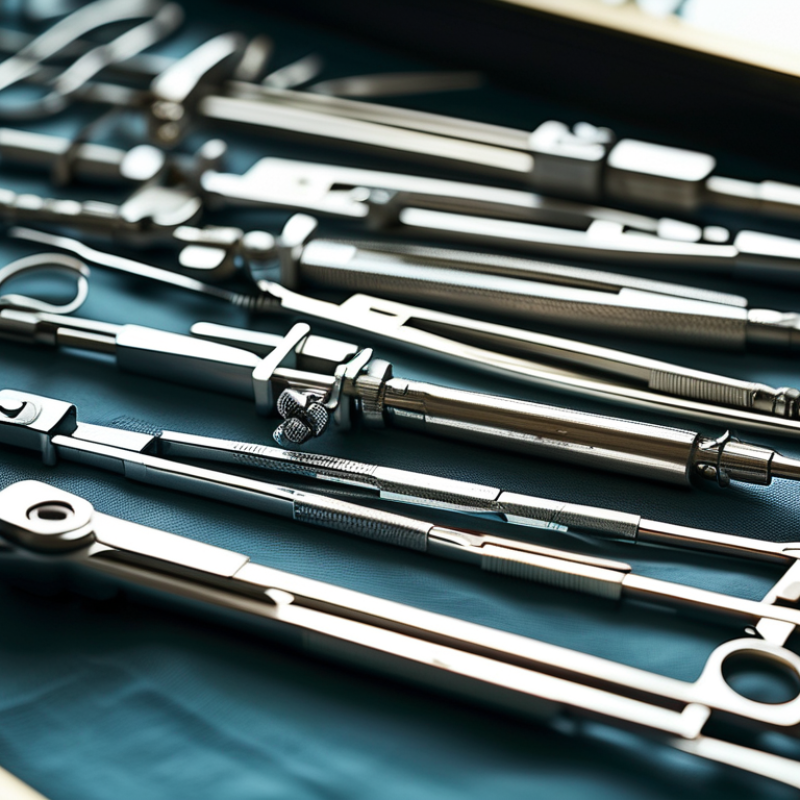
Key Types of Scalpels and Their Usage in General Surgery
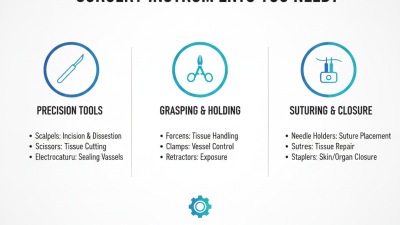
Scalpels are essential tools in general surgery. They come in various shapes and sizes, designed for specific tasks. The most common type is the traditional blade. It has a sharp edge ideal for incisions in soft tissue. Surgeons rely on this tool for precision and control. However, the challenge lies in maintaining the scalpel's sharpness.
Another important type is the safety scalpel. This design minimizes injury risks. It features a retractable blade that protects both the patient and the surgeon. Yet, some surgeons feel they lack the fine control necessary for delicate procedures. This difference in preference highlights the ongoing debate about safety versus precision in surgical tools.
Surgical blades also have a size designation system. For example, #10 blades are often used for large incisions, while #15 blades are more suitable for smaller cuts. Understanding which blade to use is crucial for the surgery's success. However, the learning curve can be steep. New surgeons must practice to master these tools. Each type of scalpel has its own merits and drawbacks, requiring thoughtful selection for optimal outcomes.
Top General Surgery Instruments for Efficient Surgical Procedures
Essential Surgical Scissors: Varieties and Functions
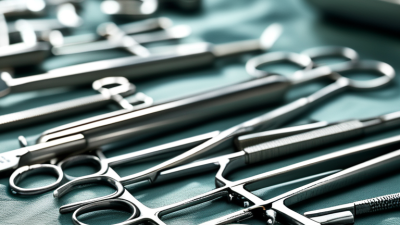
Surgical scissors are vital tools in general surgery. They come in various types, each designed for specific functions. Knowing the differences helps surgeons work efficiently. Curved scissors are ideal for cutting soft tissues. They provide better visibility and maneuverability.
Straight scissors are versatile and commonly used for sutures. Their design allows for precise cuts, minimizing tissue damage. Scissors with different tip shapes enhance their functionality. For example, toothed scissors grip the tissue securely during cutting. This prevents slippage and ensures accuracy.
However, the choice of scissors isn't always straightforward. Some surgeons may prefer certain designs based on comfort and handling. It's essential to reflect on personal experiences with each type. The right instrument can make a significant difference in surgical outcomes. Therefore, understanding the varieties of surgical scissors is crucial for all surgical teams.
Hemostatic Instruments: Techniques for Effective Bleeding Control
In general surgery, effective bleeding control is essential. Hemostatic instruments play a crucial role in managing blood loss. Surgeons use clamps, sutures, and electrocautery to achieve hemostasis. Each instrument serves a specific purpose during surgical procedures. Understanding their application can significantly enhance surgical efficiency.
Tips for effective bleeding control include proper technique in using clamps. Apply them gently yet firmly to avoid tissue damage, which can complicate recovery. Using electrocautery requires skill. Surgeons should be cautious to prevent thermal injury to surrounding tissues. Consistency in practice can lead to improved outcomes.
Always assess the surgical field for any signs of uncontrolled bleeding. Timely intervention can save lives. A knowledgeable team member should be ready to assist. Collaboration improves response time and overall effectiveness. Reflect on past procedures regularly. Identify areas for improvement to ensure continuous progress in mastering hemostatic techniques.
Top General Surgery Instruments for Efficient Surgical Procedures - Hemostatic Instruments: Techniques for Effective Bleeding Control
| Instrument Name |
Type |
Usage |
Key Features |
| Hemostatic Forceps |
Clamping |
To control bleeding from blood vessels |
Locking mechanism, various lengths |
| Electrocautery Device |
Energy-Based |
To coagulate tissue and achieve hemostasis |
Precise control of thermal energy |
| Suction Tip |
Suction |
To remove blood and fluids from the surgical field |
Ergonomic design, various tip sizes |
| Clip Appliers |
Clamping |
To secure blood vessels |
Single-use clips, reliable mechanism |
| Hemostatic Powder |
Topical Agent |
To promote clotting on surface wounds |
Fast-acting, biocompatible |
Forceps: Choosing the Right Type for Different Surgical Tasks
Choosing the right forceps is crucial in general surgery. Different types of forceps serve various functions. Some are designed for grasping tissue, while others aid in suturing. Knowing when to use each type can enhance procedural efficiency.
When selecting forceps, consider the surgical task. For delicate work, use fine-tipped forceps. They provide precision and minimize tissue trauma. Larger, more robust forceps are better for handling thicker tissues. Always assess the surgical field to ensure proper instrumentation.
In practice, inexperienced surgeons might struggle with the choice and application of forceps. That can lead to unnecessary complications or delays. Surgeons should practice using various forceps during simulations. This preparation builds confidence and improves decision-making during real procedures. Focus on the specific needs of each surgery to select the most effective instrument.
Surgical Sutures: Materials and Their Impact on Patient Recovery
Surgical sutures are crucial in ensuring proper wound healing. The material used significantly affects the recovery process. For example, absorbable sutures dissolve over time, reducing the need for removal. Non-absorbable sutures provide lasting support but require removal later. Each type has its pros and cons that need careful consideration.
Choosing the right suture material can improve recovery outcomes. Natural fibers, such as silk, can cause more tissue reaction but may offer advantages in specific procedures. Synthetic materials, like nylon or polyester, usually lead to lower tissue irritation. Generally, the surgeon's expertise is critical in making the right selection.
Tips for selecting sutures involve considering the wound type and location. For deeper wounds, a strong, non-absorbable suture may be best. For surface wounds, absorbable options can be sufficient. Always remember that even minor mistakes in suturing can lead to complications. Reflecting on previous cases can enhance skills and outcomes in future surgeries. Proper training and continuous learning are essential in this area.