


The medical industry has made tremendous progress in restoring health, function, and aesthetics for patients suffering from trauma, congenital deformities, or degenerative conditions. Among the wide range of medical advancements, maxillofacial implants have emerged as an indispensable solution in the field of facial reconstructive surgery. These implants not only restore function but also play a vital role in bringing back the natural appearance of a patient’s face.
In the same way that orthopaedic implants revolutionized fracture management and joint replacements, maxillofacial implants have reshaped the possibilities in facial reconstruction. Surgeons now have access to high quality solutions to facial restructuring surgery issues, enabling them to address even the most complex surgical challenges effectively.
What Are Maxillofacial Implants?
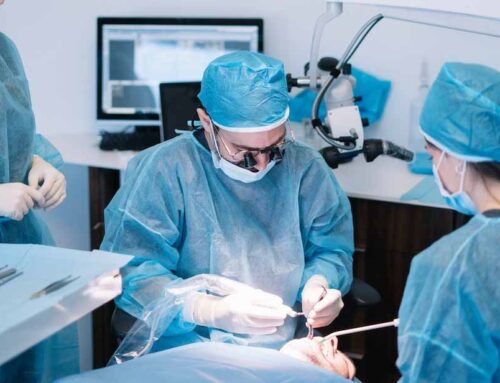
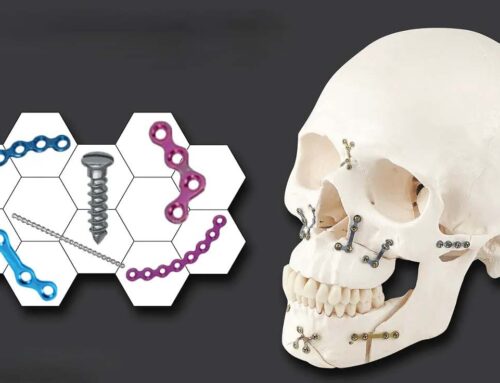
Maxillofacial implants are specialized medical devices designed for the repair, replacement, or reconstruction of bones and structures in the face and jaw. They are typically used in cases of trauma (such as facial fractures), tumor resections, congenital deformities, and aesthetic reconstruction surgeries.
These implants are manufactured from biocompatible materials like titanium or stainless steel to ensure safety and durability. Their design focuses on both structural stability and aesthetic outcomes, since the face plays a critical role in identity and expression.
Maxillofacial implants – high quality solutions to facial restructuring surgery issues – are essential tools for restoring both function and appearance in patients.
Key Applications of Maxillofacial Implants
Trauma Management
- Severe accidents can cause facial fractures or disfigurement. Maxillofacial implants such as plates, screws, and reconstruction plates provide stability and help realign fractured bones.
Congenital Deformities
- Conditions such as cleft palate or craniofacial abnormalities can be corrected using specialized implants, helping patients achieve better function and aesthetics.
Tumor Resections
- After removal of tumors in the jaw or facial bones, implants reconstruct the missing structure and restore facial contours.
Aesthetic Enhancements
- In addition to trauma care, implants are used in cosmetic procedures such as chin or cheek augmentation.
Types of Maxillofacial Implants
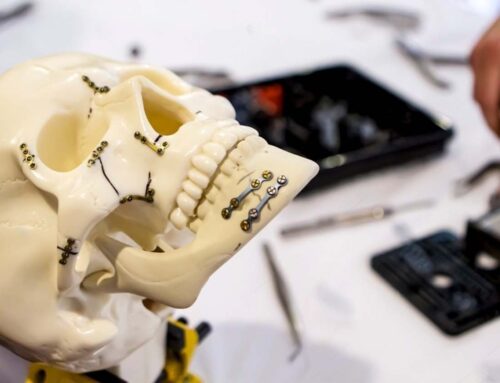
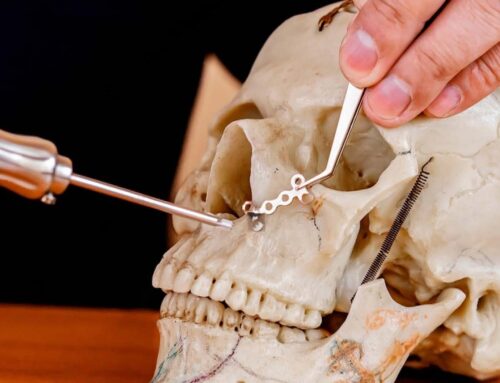
- Mini Plates and Screws – Used in mandibular and maxillary fractures.
- Reconstruction Plates – For extensive defects requiring stability.
- Orbital Implants – To reconstruct orbital floor and support the eye.
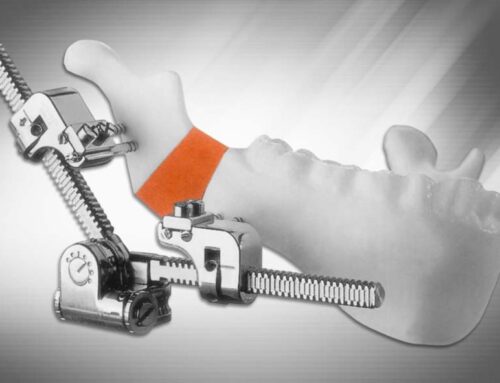
- Mandibular Plates – Used in jaw corrections and trauma fixation.
- Custom 3D Implants – Designed using digital technology for patient-specific requirements.
Advantages of Maxillofacial Implants
- Restores both function and aesthetics.
- Provides rigid fixation for quick healing.
- Compatible with advanced surgical techniques.
- Offers customized solutions for complex deformities.
- Ensures long-term durability with biocompatible materials.
Maxillofacial Implants and Orthopaedic Implants
Though maxillofacial implants are specialized for the face and jaw, they share similarities with other orthopaedic implants. Both are designed to stabilize bones, ensure healing, and provide long-lasting functionality.
For instance:
- Locking plates and screws are used in both orthopedic trauma surgeries and maxillofacial procedures to provide strong fixation.
- Hip prosthesis and implants restore mobility in patients with severe hip joint damage, much like maxillofacial implants restore function in jaw surgeries.
Together, these categories highlight how implants have become an integral part of modern surgery.
Locking Plates and Screws – A Shared Technology
One of the most widely used implant technologies is locking plates and screws. In orthopedics, they are used for fractures in long bones like femur and tibia. In maxillofacial surgery, mini plates with locking screws provide stability for facial bones.
Benefits include:
- Strong angular stability.
- Effective fixation even in weak or small bones.
- Reduced implant loosening.
The integration of this technology across orthopaedics and maxillofacial surgery shows its versatility in addressing different surgical requirements.
The Role of Hip Prosthesis in Comparison
Just as hip prosthesis and implants restore quality of life for patients with hip joint degeneration, maxillofacial implants improve life for patients with severe facial issues. Both categories aim to:
- Restore mobility and function.
- Reduce pain and improve patient confidence.
- Provide long-term, durable solutions with advanced biocompatible materials.
While their applications differ, the underlying philosophy remains the same: giving patients a chance at normal, healthy lives.
Importance of High Quality Standards
When it comes to implants, quality and safety are paramount. Low-quality implants risk failure, infection, or complications that can severely affect patients.
High-quality maxillofacial implants undergo:
- Biocompatibility tests to ensure safety.
- Mechanical testing for strength and durability.
- Sterilization processes to prevent infection.
- Precision engineering to ensure accurate fit in surgeries.
Surgeons and hospitals increasingly prefer manufacturers that follow global standards like ISO 13485 and CE certification. This ensures implants are safe, reliable, and effective worldwide.
Innovation in Maxillofacial Implants
The field is evolving with cutting-edge advancements:
- 3D Printing: Patient-specific implants created for perfect anatomical fit.
- Bioresorbable Materials: Implants that dissolve naturally after healing, reducing the need for removal.
- Smart Coatings: Surfaces that improve bone integration and reduce infection risk.
- Minimally Invasive Techniques: Smaller implants that support faster healing with less scarring.
These innovations are reshaping reconstructive surgery and offering patients better outcomes.
How Maxillofacial Implants Improve Patient Outcomes
- Restoration of Appearance – Patients regain confidence after trauma or deformity corrections.
- Enhanced Functionality – Implants restore chewing, speaking, and other essential functions.
- Psychological Benefits – Patients often report improved self-esteem and social confidence.
- Faster Recovery – Modern implants allow for quicker rehabilitation.
By addressing both functional and emotional needs, these implants provide holistic recovery.
Global Demand for Maxillofacial and Orthopaedic Implants
The demand for implants is rapidly increasing due to:
- Rising cases of road accidents and trauma.
- Increasing prevalence of degenerative diseases.
- Growing acceptance of cosmetic and reconstructive surgeries.
- Advances in surgical techniques and materials.
Countries like India have become global leaders in manufacturing and exporting orthopedic and maxillofacial implants due to their ability to provide cost-effective, high-quality solutions.
Conclusion
From treating trauma and congenital deformities to supporting tumor resections and cosmetic enhancements, these implants play a vital role in restoring both appearance and function.
When combined with other innovations like orthopaedic implants, locking plates and screws, and hip prosthesis, maxillofacial implants demonstrate how medical technology has transformed patient care. They not only provide structural stability but also significantly improve confidence and quality of life for patients.
The continuous focus on innovation, safety, and quality ensures that implants will continue to evolve, offering even better solutions for surgeons and patients worldwide.


Well done! This article provides a lot of value.