Best Orthopedic Surgery Instruments for Global Buyers?
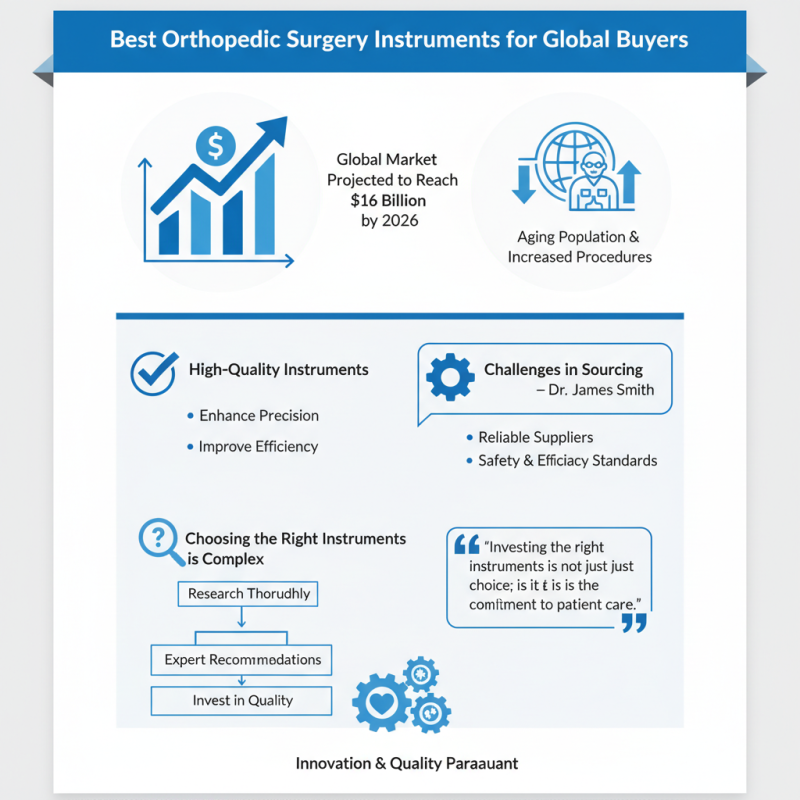
In the rapidly evolving field of healthcare, the demand for high-quality orthopedic surgery instruments continues to grow. A recent report from the Global Market Insights indicates that the orthopedic instruments market is projected to reach $16 billion by 2026. This surge is driven by an aging population and an increase in orthopedic procedures worldwide. Dr. James Smith, a renowned orthopedic surgeon, emphasizes this point: "The choice of surgical instruments can significantly impact patient outcomes."
Surgeons and healthcare providers must ensure they have access to the best tools available. High-quality orthopedic surgery instruments enhance precision and efficiency during operations. However, there are challenges in sourcing reliable suppliers. Not every instrument on the market meets the necessary safety and efficacy standards.
Choosing the right instruments is complex. While many products promise advanced features, not all deliver on their claims. It is essential for buyers to research thoroughly and consider expert recommendations. As Dr. Smith asserts, “Investing in the right instruments is not just a choice; it is a commitment to patient care.” This commitment is critical in a field where innovation and quality are paramount.
Overview of Orthopedic Surgery Instruments Used Worldwide
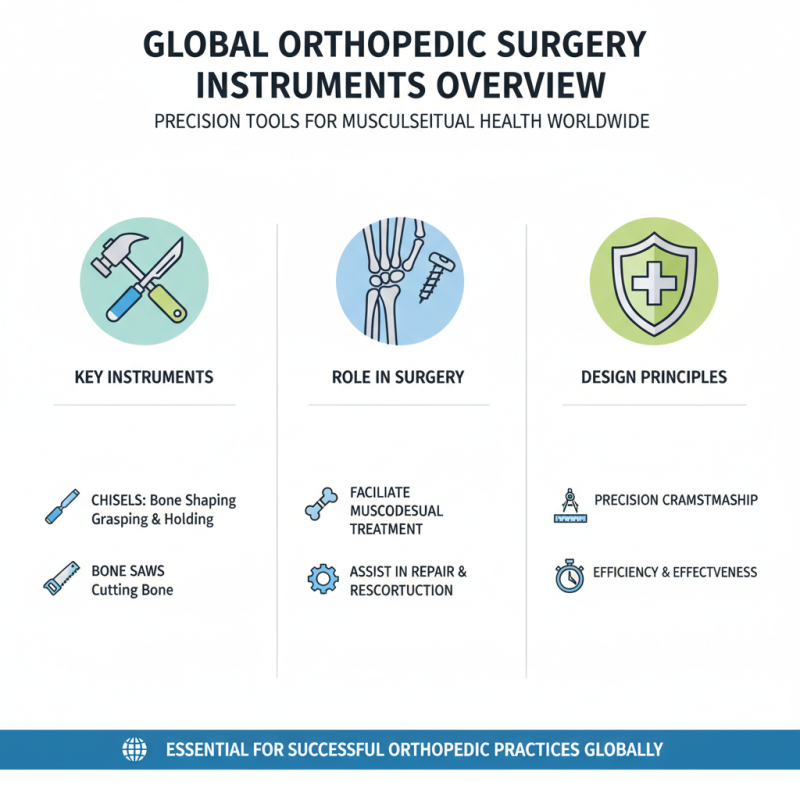
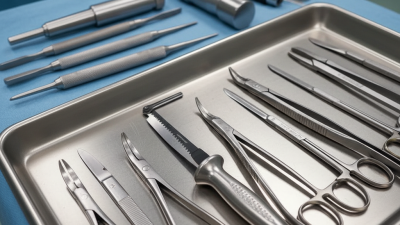
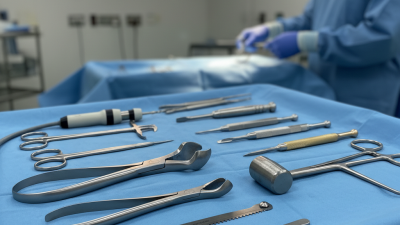
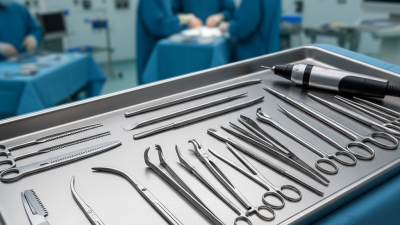
Orthopedic surgery instruments play a vital role in surgical procedures across the globe. These tools are specifically designed to assist surgeons in treating musculoskeletal issues. Instruments such as chisels, forceps, and bone saws are essential for successful surgeries. Each tool is crafted for precision and efficiency, reflecting the expertise required in orthopedic practices.
In many regions, the quality and availability of these instruments can vary significantly. Some healthcare facilities struggle with outdated tools, which can lead to complications. Training in using advanced equipment is equally critical. Many surgeons express the need for continual education and updates on new technologies. This focus on improvement highlights the importance of reliable resources.
Despite advancements, challenges remain in standardizing instrument availability worldwide. Many countries still face shortages of essential tools. Access to quality instruments can directly impact surgical outcomes. This reality urges stakeholders to reflect on solutions for better global accessibility. The orthopedic field must continue to adapt to ever-changing demands while ensuring safety and effectiveness for all patients.
Key Features of High-Quality Orthopedic Surgical Instruments
When selecting orthopedic surgical instruments, understanding key features is essential. High-quality instruments are designed for precision and durability. They typically feature ergonomic handles. This design maximizes comfort during extended procedures. Instruments should be forged from high-grade stainless steel. This material ensures longevity and resistance to corrosion.
Precision is another critical aspect. Sharp cutting edges and smooth surfaces reduce tissue damage. Instruments should provide excellent tactile feedback. This allows surgeons to perform delicate maneuvers with confidence. High-quality instruments undergo rigorous testing for durability. However, some may still succumb to wear over time. Regular maintenance can prevent these issues and enhance performance.
Another feature is sterilizability. Instruments must withstand repeated autoclave cycles without degradation. This ensures safety and hygiene in every surgical procedure. Some instruments have complex designs that may require more effort to clean. Surgeons should be aware of these details when choosing instruments. Additionally, instruments should align with specific surgical techniques. This ensures both effectiveness and safety. The choice of instruments can shape surgical outcomes significantly.
Popular Brands and Manufacturers in Orthopedic Surgery Equipment
The orthopedic surgery equipment market is expanding rapidly. As of 2022, it was valued at approximately $50 billion and is projected to reach $70 billion by 2030. This growth reflects a rising demand for high-quality surgical instruments. Global buyers seek reliable manufacturers known for their innovative designs and durability.
Popular brands in the orthopedic sector often specialize in specific instruments. Typical offerings include fracture fixation devices, joint replacement tools, and soft tissue repair instruments. These tools must meet strict regulatory standards to ensure patient safety. Quality assurance is a fundamental aspect of this industry. The potential for instrument-related complications remains a topic of concern. Buyers should scrutinize manufacturing processes and material choices carefully.
Additionally, advances in technology are reshaping surgical practices. Robotics and minimally invasive options are gaining traction. Yet, these solutions need careful implementation training. Surgeons must adapt to new tools to maximize efficiency and patient outcomes. Continuous education in this field is essential. The challenge lies in balancing innovation with proven techniques.
Best Orthopedic Surgery Instruments for Global Buyers
| Instrument Type |
Material |
Usage |
Weight (grams) |
Sterilization Method |
| Scalpel |
Stainless Steel |
Incision |
20 |
Autoclave |
| Bone Saw |
Carbon Steel |
Bone Cutting |
500 |
Autoclave |
| Forceps |
Titanium |
Tissue Grasping |
40 |
Chemical |
| Surgical Drill |
Alloy |
Drilling Holes |
1500 |
Autoclave |
| Retractor |
Stainless Steel |
Wound Exposure |
300 |
Autoclave |
Considerations for Selecting Orthopedic Instruments for Global Markets
Selecting orthopedic instruments for global markets requires careful consideration of various factors. Quality and reliability are paramount. Reports indicate that the orthopedic device market is expected to grow at a CAGR of 4.5% from 2023 to 2030. This growth emphasizes the need for durable instruments that can withstand high usage levels.
Additionally, understanding regional preferences is crucial. Different markets may have unique requirements based on surgical practices, patient demographics, and healthcare regulations. For instance, Asian markets may prefer minimally invasive instruments, as recent studies show a 25% increase in such procedures. Buyers must navigate these complexities while ensuring compliance with international standards.
Training and support are often overlooked. Ensuring end-users are knowledgeable about the instruments is vital for achieving optimal outcomes. Reports also suggest that improper usage can lead to complications, impacting patient safety. Creating a feedback mechanism from users can illuminate areas for improvement. Overall, the selection process must prioritize adaptability and education to meet evolving global needs.
Emerging Trends in Orthopedic Surgery Instrumentation Technology
The field of orthopedic surgery is experiencing rapid transformations. New technologies are emerging, significantly improving surgical outcomes and patient safety. One notable trend is the integration of robotics in surgical procedures. Surgeons now utilize robotic systems that enhance precision and reduce recovery time. These instruments make complex procedures more manageable and efficient.
Another significant advancement is the use of 3D printing. Custom implants tailored to a patient’s unique anatomy are becoming more common. This technology allows for better fitting and less post-operative complications. However, the challenge lies in ensuring the materials used are safe and reliable.
Digital platforms are also changing how instruments are developed and shared. Virtual simulations help train new surgeons and improve their skills. Nonetheless, relying too much on technology can lead to a loss of some traditional surgical techniques. This balance between innovation and foundational skills is crucial for the future of orthopedic surgery.